Understanding Your Gut Microbiome: The 100 Trillion Microbes That Rule Your Health
You are never truly alone. Right now, as you read this, approximately 38 trillion microorganisms live inside your body. Most reside in your colon, creating a complex ecosystem more diverse than any rainforest and more influential to your health than you might imagine.
This ecosystem is your microbiome, and it is perhaps the single most important factor in determining your health status, immune function, mental state, and risk for chronic disease. Yet for most of human history, we did not know it existed. Modern science has only begun to appreciate its significance.
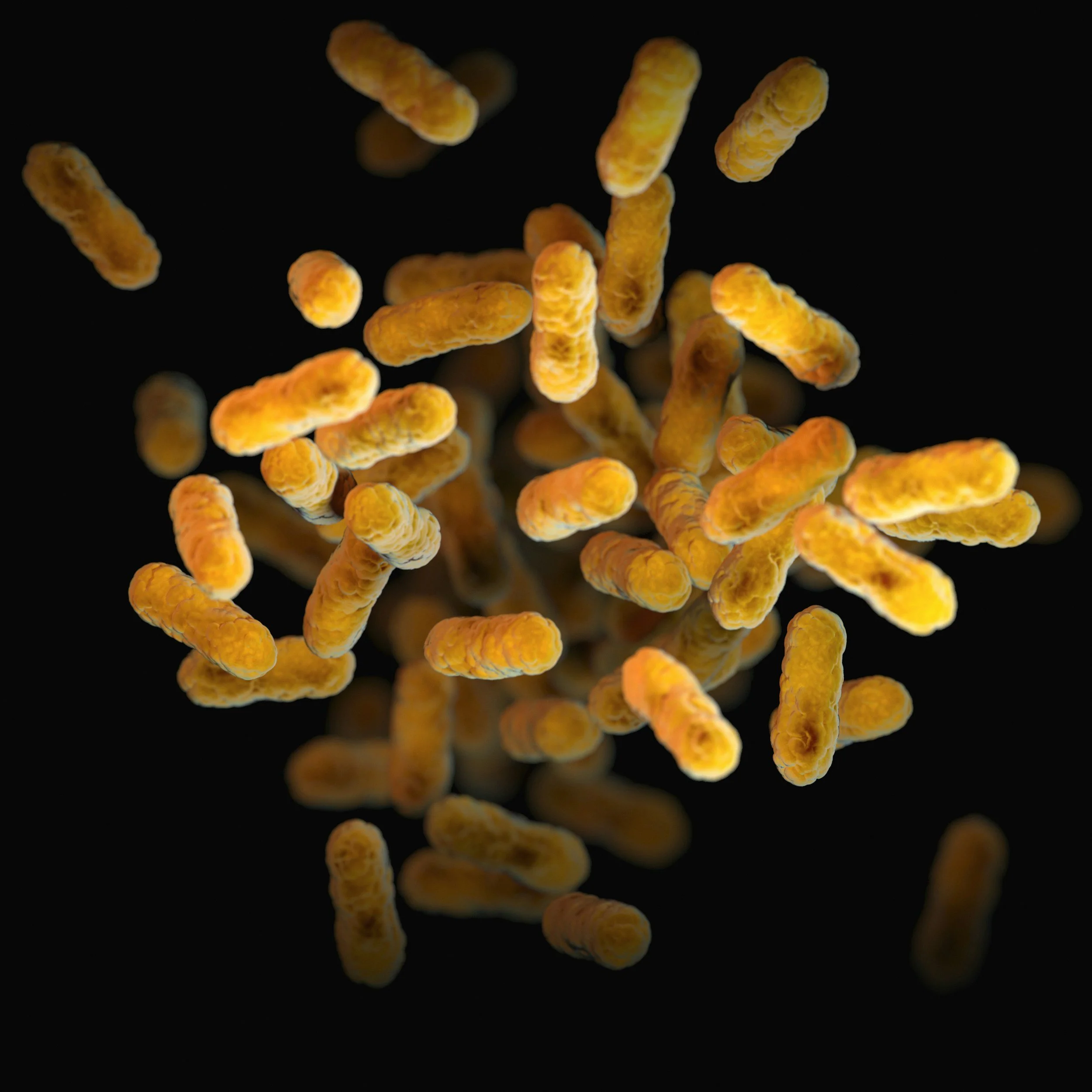
Your gut microbiome is dominated by bacteria, but it is not a monoculture. A healthy gut contains hundreds of different bacterial species from dozens of different genera. The most abundant include Bacteroides, Faecalibacterium, Ruminococcus, Akkermansia, and various Lactobacillus species.
These bacteria are not freeloaders. They consume the food you cannot digest (fiber, resistant starch) and produce metabolic byproducts that your body uses for energy and health. The most important of these byproducts are short-chain fatty acids (SCFAs): butyrate, propionate, and acetate.
Butyrate is particularly remarkable. It is the preferred fuel for your colon cells. It reduces inflammation, strengthens the intestinal barrier, and influences your brain function through the microbiota-gut-brain axis. When your gut bacteria produce adequate butyrate (which requires sufficient fiber intake), your health improves across multiple dimensions.
A healthy microbiome is also incredibly diverse. The greater the number of different bacterial species, the more resilient your system becomes. Different species have different metabolic capabilities, allowing the community to adapt to dietary changes, infections, and environmental stresses. When microbiome diversity decreases (a condition called dysbiosis), health problems follow: increased inflammation, weakened immunity, weight gain, and cognitive decline.
Your microbiome story begins at birth. During a vaginal delivery, you are colonized by your mother's microbiota, particularly Lactobacillus species. During a cesarean section, you are exposed to skin bacteria instead. This early exposure shapes your immune development and influences your health for decades.
In your first years of life, your microbiome expands rapidly. Different foods introduce new bacterial species. Breast milk contains oligosaccharides that feed beneficial bacteria like Bifidobacterium. Early life infections (which seem harmful) actually train your immune system through microbial exposure. By age three, your microbiome resembles an adult's, though it continues developing into your teens.
Throughout your life, your diet is the primary factor determining your microbiome composition. A diet high in processed foods, refined carbohydrates, and low in fiber selects for different bacteria than a diet rich in plant foods, whole grains, and diverse fiber sources. Within days of changing your diet, your microbiome shifts dramatically. Within weeks, the composition can be nearly unrecognizable.
Antibiotics are another major disruptor. A single course of antibiotics wipes out 20 to 30 percent of your microbiota. It takes 3 to 6 months for the community to fully recover. Repeated antibiotic courses (especially in childhood) leave permanent scars on microbiome diversity.
Modern research has identified connections between microbiome composition and virtually every disease category. These are not speculative or theoretical but based on peer-reviewed evidence.
Weight management is directly influenced by your microbiota. Obese individuals have less diverse microbiomes dominated by different bacterial species than lean individuals. When obese individuals' microbiota are transferred into lean mice, the mice gain weight even without dietary changes. Conversely, specific bacterial species like Akkermansia muciniphila are associated with lean body weight and metabolic health.
Immune function depends critically on microbial training. Your gut bacteria constantly educate your immune system about what is dangerous and what is harmless. They produce metabolites that strengthen your intestinal barrier, preventing pathogens from breaching it. They produce molecules that train regulatory T cells, preventing excessive inflammation. When microbiome diversity is low, immune dysregulation follows: increased inflammation, higher infection rates, and autoimmune problems.
Mental health is influenced by the microbiota-gut-brain axis. Your gut bacteria produce neurotransmitters like serotonin, GABA, and dopamine. The vagus nerve creates bidirectional communication between your gut and brain. Research shows that probiotic supplementation can reduce anxiety and depression symptoms in clinical populations. A diverse microbiome is associated with better psychological resilience.
Metabolic health depends on microbiota function. Your bacteria influence how many calories you extract from food, how your blood sugar responds to meals, and how your body regulates cholesterol. Dysbiotic microbiomes predict type 2 diabetes even before blood glucose becomes abnormal.
The term probiotic has become overused and misunderstood. According to the WHO and FAO, a probiotic is defined as "live microorganisms which, when administered in adequate amounts, confer a health benefit on the host."
Note the key requirements: the organisms must be alive, present in adequate amounts (typically at least 1 billion CFU or 10 billion for certain strains), and have documented health benefits. Not all bacteria are probiotics. Not all fermented foods contain probiotics. And probiotics are highly strain-specific: Lactobacillus rhamnosus GG is beneficial while Lactobacillus rhamnosus LC705 has different properties.
Research published in 2024 has identified evidence-based benefits for specific strains. Saccharomyces boulardii CNCM I-745 reduces antibiotic-associated diarrhea risk by 37 percent. Lactobacillus rhamnosus GG reduces respiratory infections by 9 to 24 percent. Bifidobacterium animalis subspecies lactis BB-12 improves digestive symptoms and immunity.
However, probiotics are not a cure-all. They work best when combined with dietary changes. A single probiotic supplement cannot overcome a microbiome-damaging diet of processed foods and refined carbohydrates. The bacteria need food. They need fiber. They need an environment where they can thrive.
If probiotics are supplements, prebiotics are the primary medicine. Prebiotics are food components that feed beneficial bacteria. They include fiber from whole grains, vegetables, fruits, legumes, and specific compounds like inulin from foods like onions and garlic.
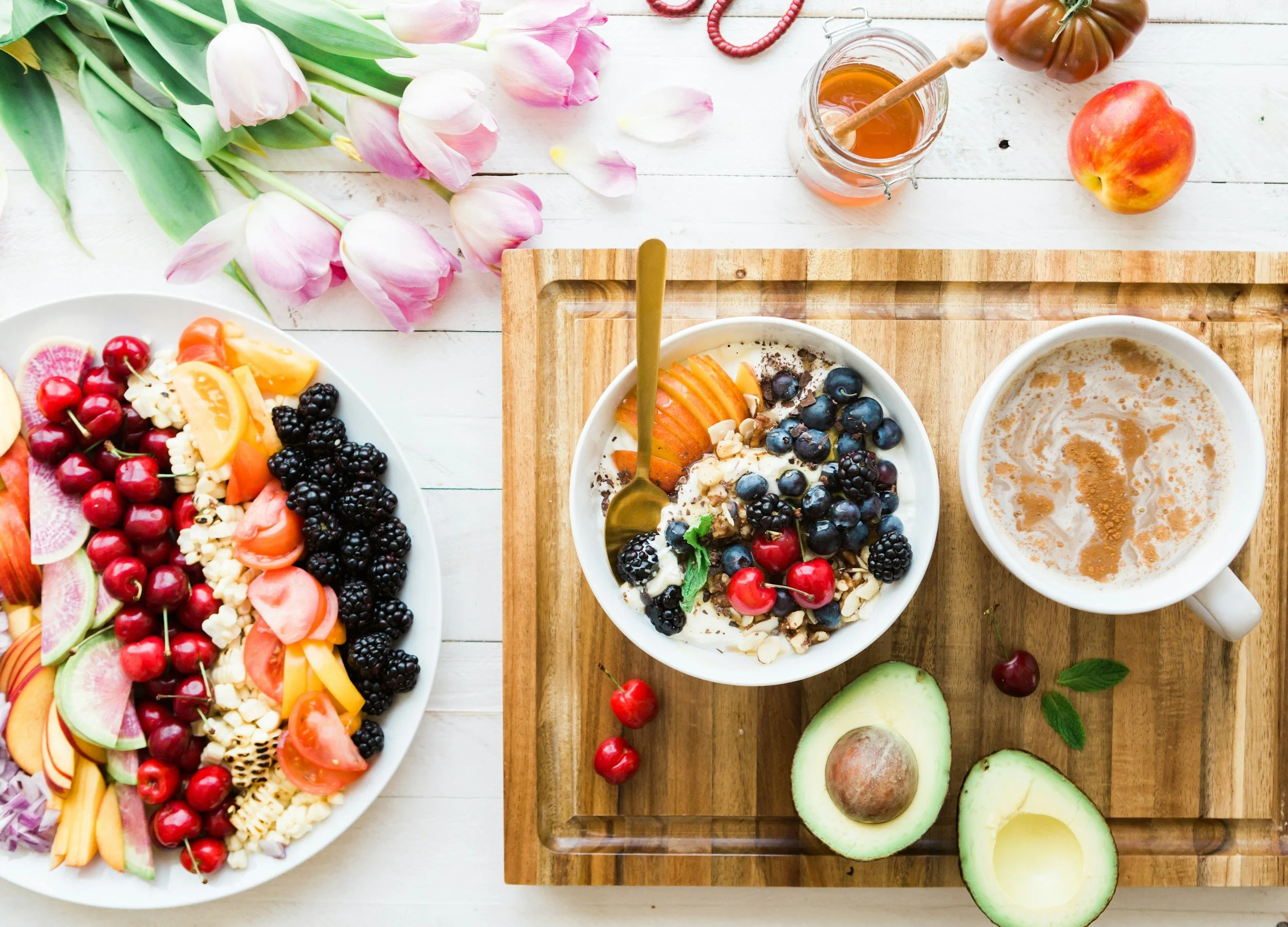
A fiber-rich diet is the most direct path to microbiome health. Different types of fiber feed different bacteria, so diversity matters. Aim for 30 to 50 grams of fiber daily from diverse sources. This amount feeds your microbiota abundantly while moving transit time through your colon to a healthy range.
Fermented foods provide both fiber and live bacteria. Sauerkraut contains Lactobacillus plantarum and fiber. Kimchi contains diverse LAB and phytonutrients from vegetables. Kefir contains multiple LAB species and yeast. Kombucha provides acetic acid bacteria and complex carbohydrates. These foods complement each other, so consuming a variety maximizes benefit.
Consumer microbiome testing is now available, allowing you to understand your own microbial composition. These tests sequence the DNA of bacteria in your stool, identifying species present and their relative abundance.
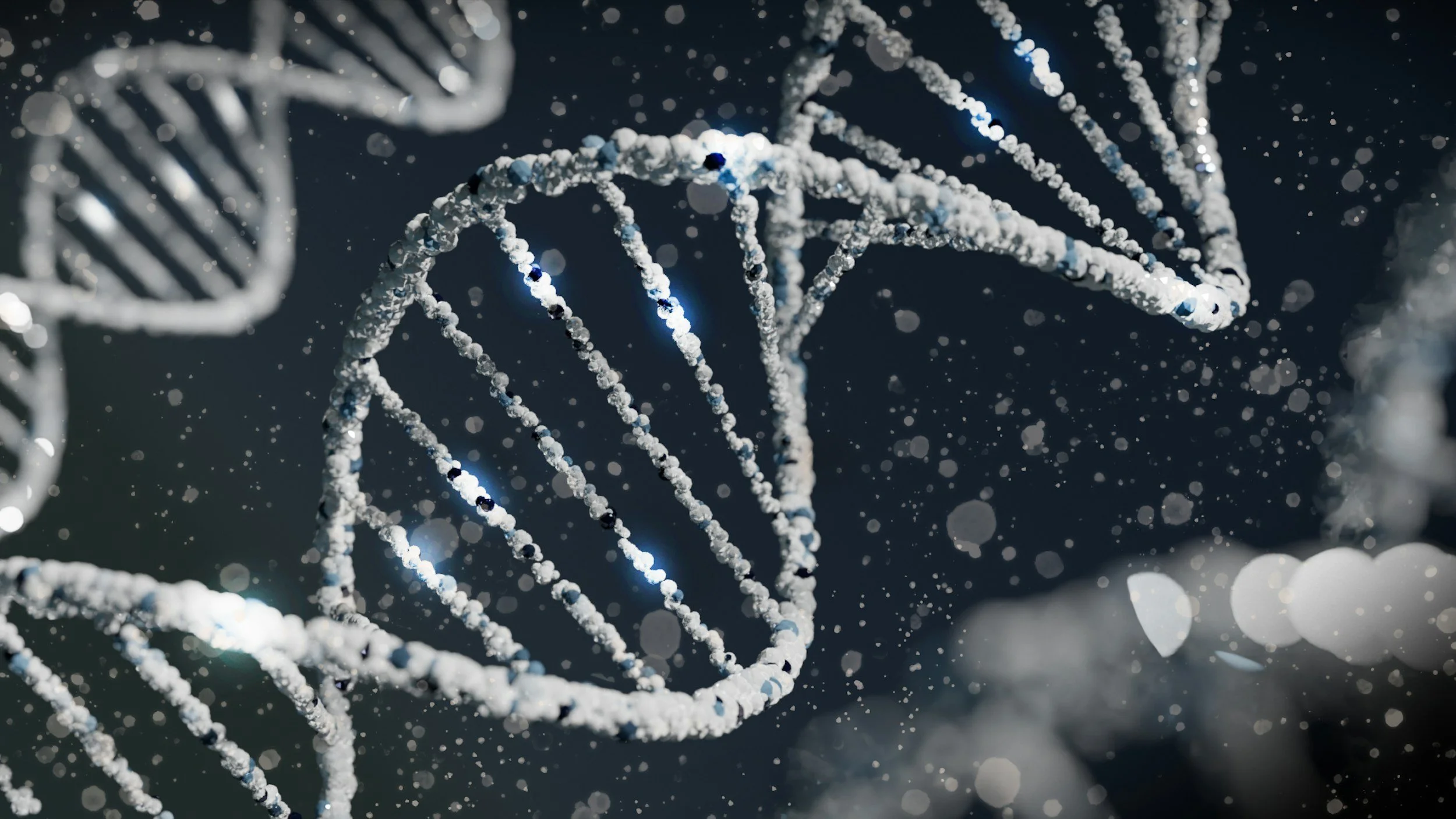
While these tests provide interesting information, interpretation requires caution. No universally agreed-upon definition of a "healthy" microbiome exists. What is healthy varies by individual, dietary pattern, and health goals. Some testing companies overinterpret results, suggesting specific supplements based on limited evidence.
The better approach is understanding basic principles: aim for diversity, feed your bacteria with fiber, avoid unnecessary antibiotics, and consume fermented foods. These evidence-based approaches improve microbiome health and measurably impact overall health.
Your microbiome is not fixed. Unlike your genetic code, your microbial community responds within days to dietary changes. This is both exciting and empowering.
Begin by increasing fiber intake gradually (abrupt increases cause bloating as bacteria ferment the sudden abundance of food). Add fermented foods to meals. Limit processed foods and antibiotics when possible. Consider a probiotic supplement if you have had recent antibiotic use or have specific health conditions (with evidence for that strain).
Most importantly, understand this: you are not fighting bacteria or managing your microbiome as an external enemy. You are cultivating a relationship with trillions of organisms that have coevolved with humans for millions of years. When you feed them well, they thrive. And when they thrive, so do you.
