A collection of guides, reflections, and resources on Gastronomy and Life in Spain.
The Microbiology of Safe Fermentation: How to Harness Good Microbes and Avoid Hidden Risks
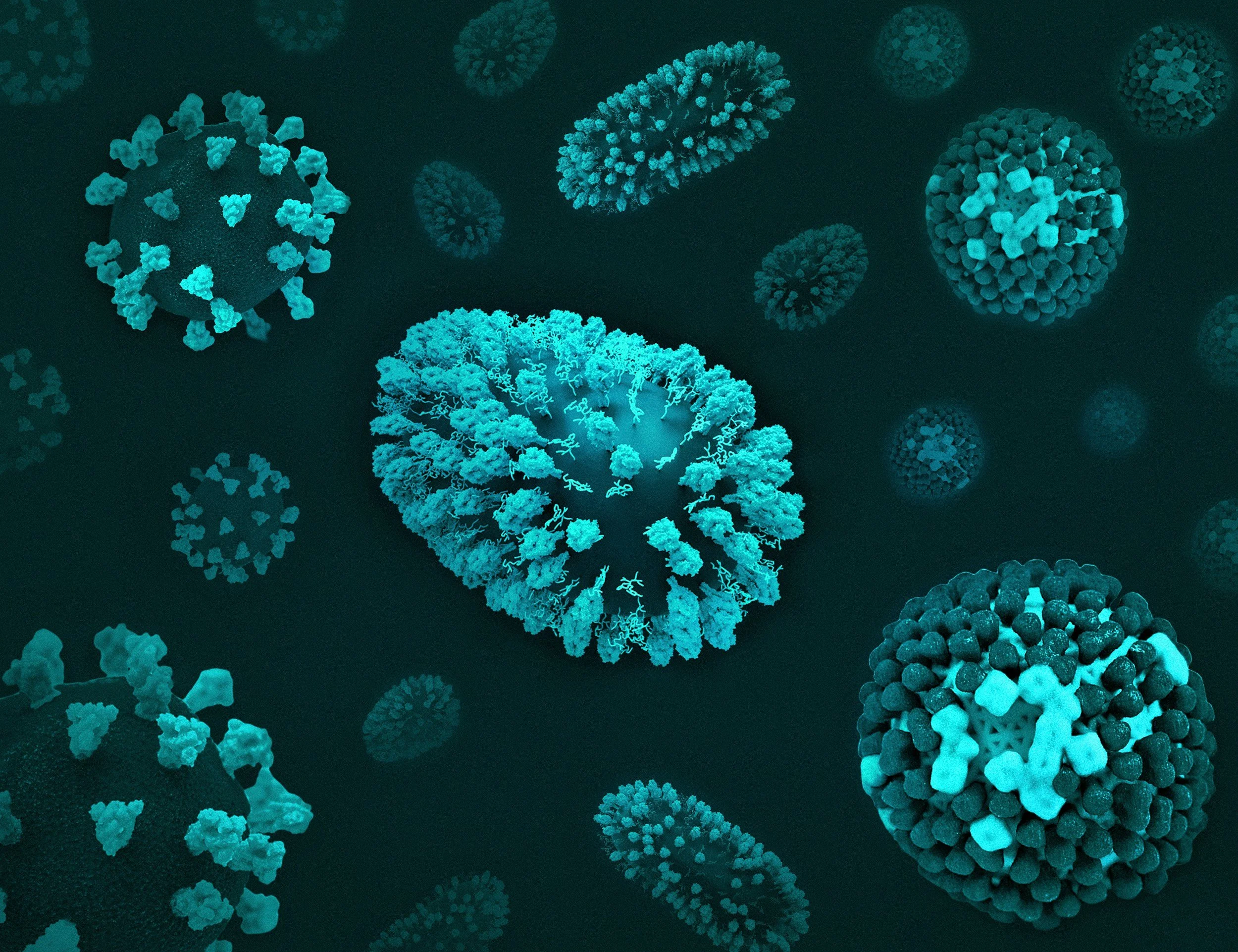
Fermentation is often seen as an ancient, “natural” way to preserve food, but that does not mean every ferment is automatically safe. Safe fermentation is applied microbiology: beneficial bacteria and yeasts must be given the right conditions to dominate, while pathogens are pushed out of their comfort zone. This article explains why properly made fermented foods are usually safer than the raw ingredients, and how regulatory concepts like GRAS and QPS define which microbes are considered safe for use in food. It compares wild ferments (like sourdough, kombucha, kefir, and kimchi) with defined starter cultures so you understand the trade-offs between flavor, tradition, and safety. You will learn the three big control levers, pH, salt and water activity, and temperature, and how they work together to keep Salmonella, Listeria, Clostridium botulinum, and other hazards in check. Finally, you get a practical checklist for safe home fermentation and clear advice for people who need to be extra cautious, including pregnant, immunocompromised, or histamine-sensitive readers.
From Laboratory to Table: How GOe is Building a More Just and Sustainable Food Future
In a world facing climate crisis, food insecurity, and growing health disparities, gastronomy might seem like a luxury concern. But at GOe, the Gastronomy Open Ecosystem in San Sebastián, food is understood as a powerful lever for social change and the foundation of a more equitable future. The question isn't whether food matters for justice and sustainability; it's how we harness culinary knowledge, scientific innovation, and community engagement to create systems that nourish everyone.
Kombucha Under the Microscope: The Secret Ecosystem In Your Jar
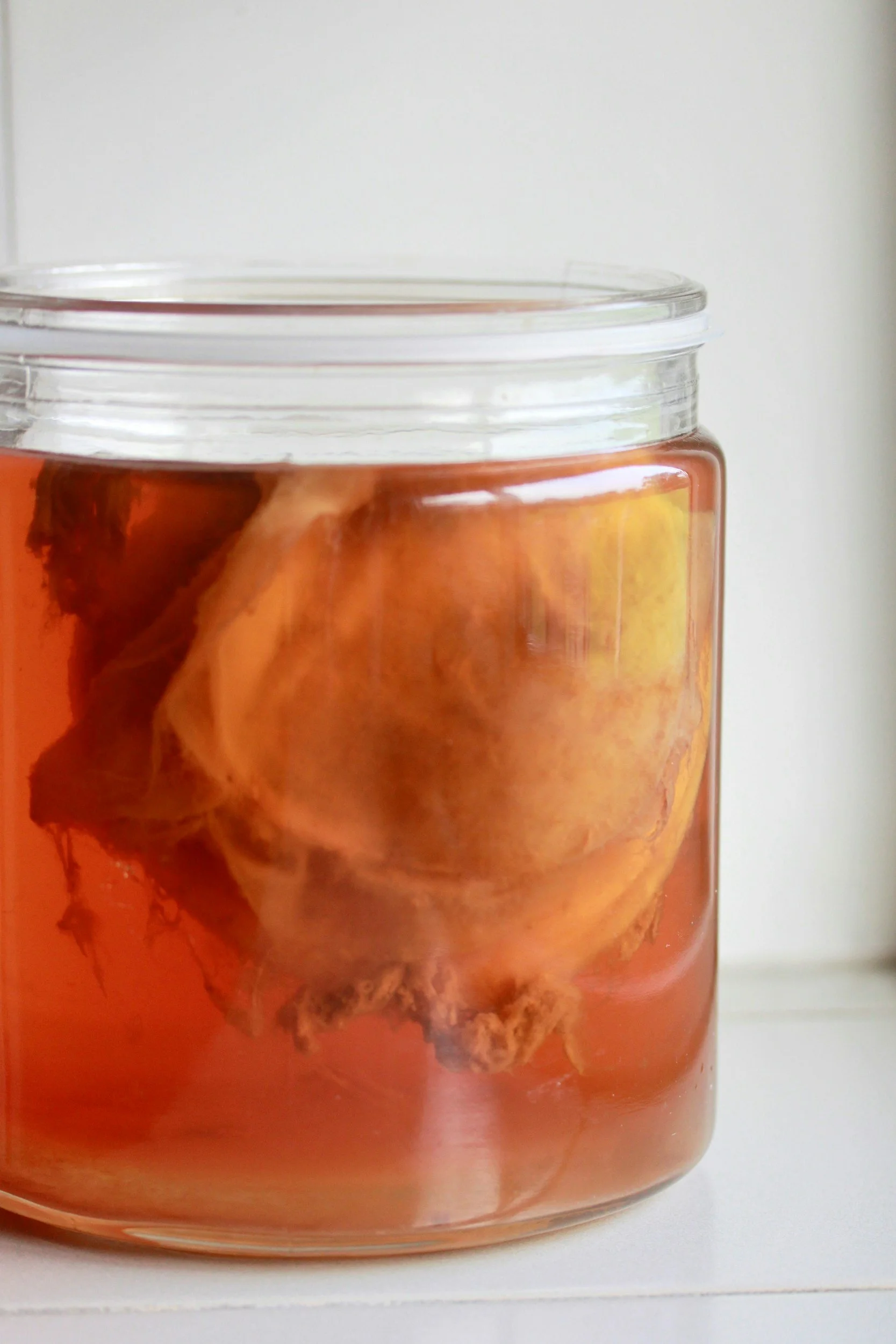
That rubbery disc floating in your kombucha jar is not a mistake or a film to be removed. It is a highly organized biological community thousands of years old. It is a microbial city where bacteria and yeast coexist, cooperate, and create one of the most complex fermented beverages known to humanity.
This community is called a SCOBY, which stands for Symbiotic Culture of Bacteria and Yeast. Despite its intimidating acronym, a SCOBY is simply a biofilm where microorganisms have organized themselves into a structured matrix. Understanding what lives in your kombucha jar requires understanding the remarkable organisms that call it home.
The Magic of Miso: Ancient Fermentation Meets Modern Science
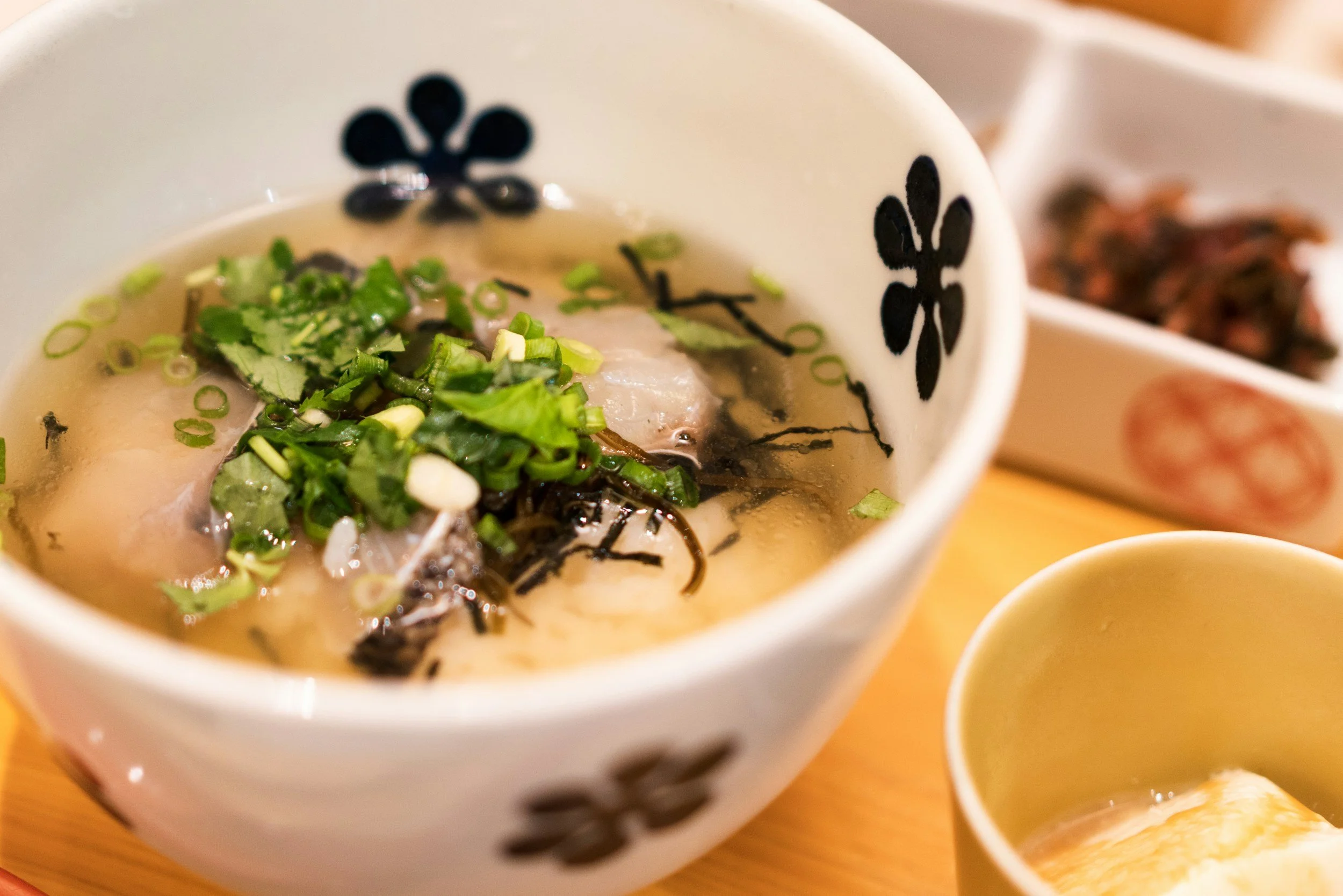
In Japanese cuisine, miso is often described as liquid gold. A spoonful contains the concentrated complexity of flavors, aromas, and health benefits that result from years of microbial fermentation. Yet what makes miso truly remarkable is not poetry but biochemistry.
Miso represents one of humanity's oldest and most sophisticated fermentation processes. It demonstrates how microorganisms, salt, time, and human knowledge combine to transform simple soybeans into a food that improves nutrition, creates addictive umami flavors, and supports health.
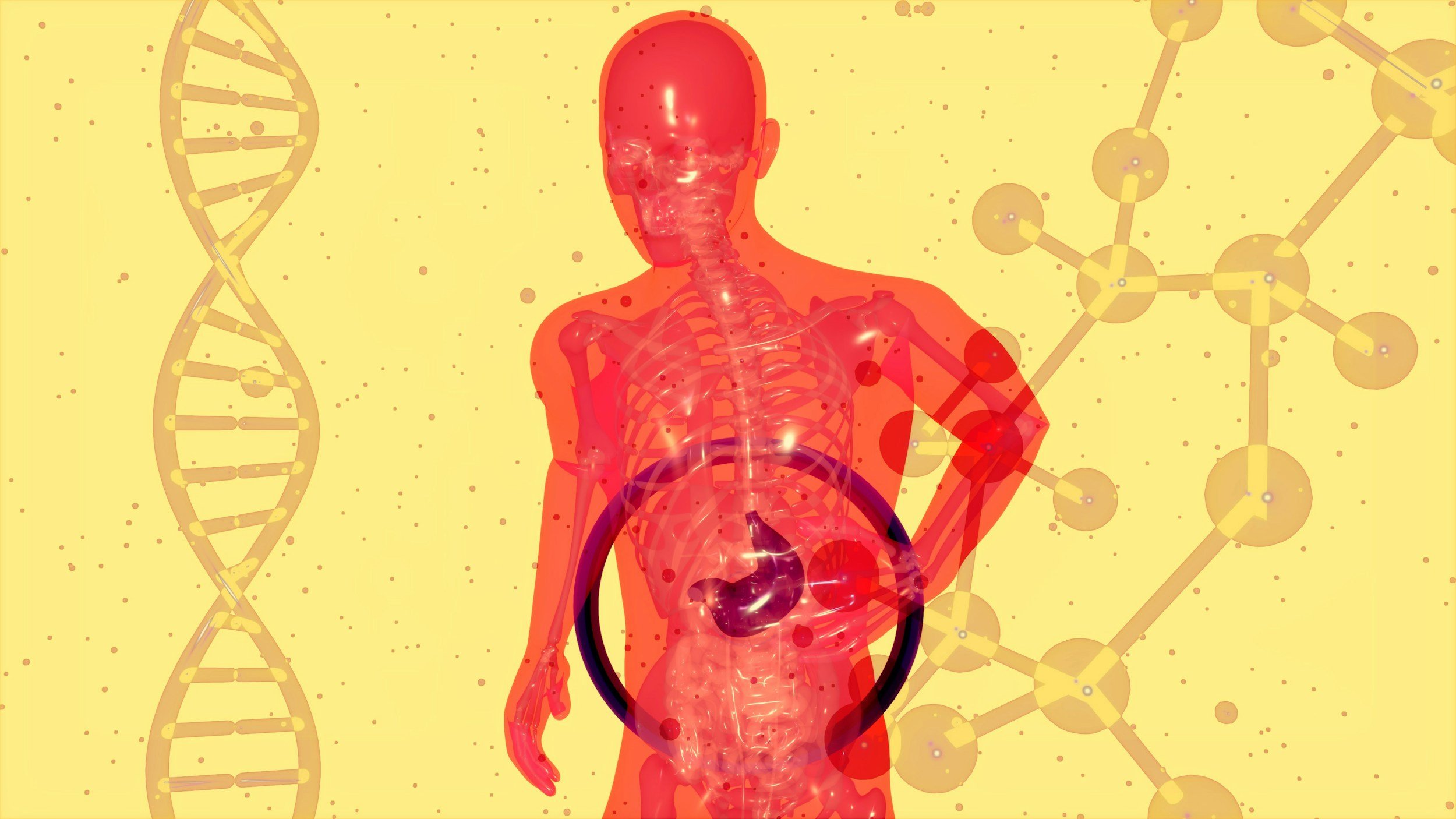
Understanding Your Gut Microbiome: The 100 Trillion Microbes That Rule Your Health
You are never truly alone. Right now, as you read this, approximately 38 trillion microorganisms live inside your body. Most reside in your colon, creating a complex ecosystem more diverse than any rainforest and more influential to your health than you might imagine.
This ecosystem is your microbiome, and it is perhaps the single most important factor in determining your health status, immune function, mental state, and risk for chronic disease. Yet for most of human history, we did not know it existed. Modern science has only begun to appreciate its significance.
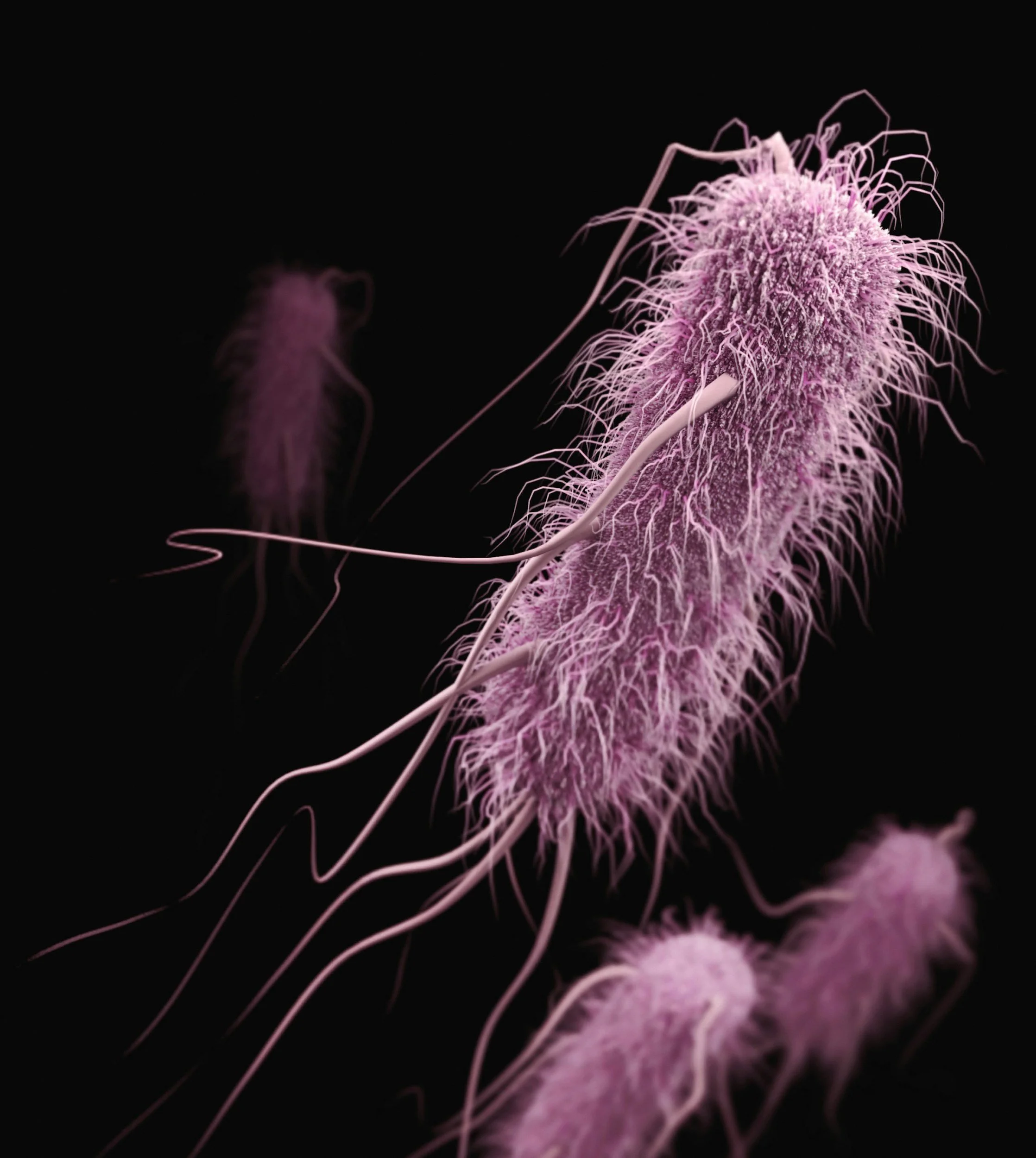
The Science Behind Bacterial Growth: Why a Single Cell Becomes a Colony
One bacterial cell does not seem dangerous. One cell of Escherichia coli is invisible to the naked eye, weighs less than a picogram, and seems utterly insignificant in the vastness of food or human body.
Yet that single cell is a sophisticated biological entity with the potential to become a problem rapidly. Understanding bacterial growth is understanding one of the most important principles in food safety, fermentation control, and disease prevention.
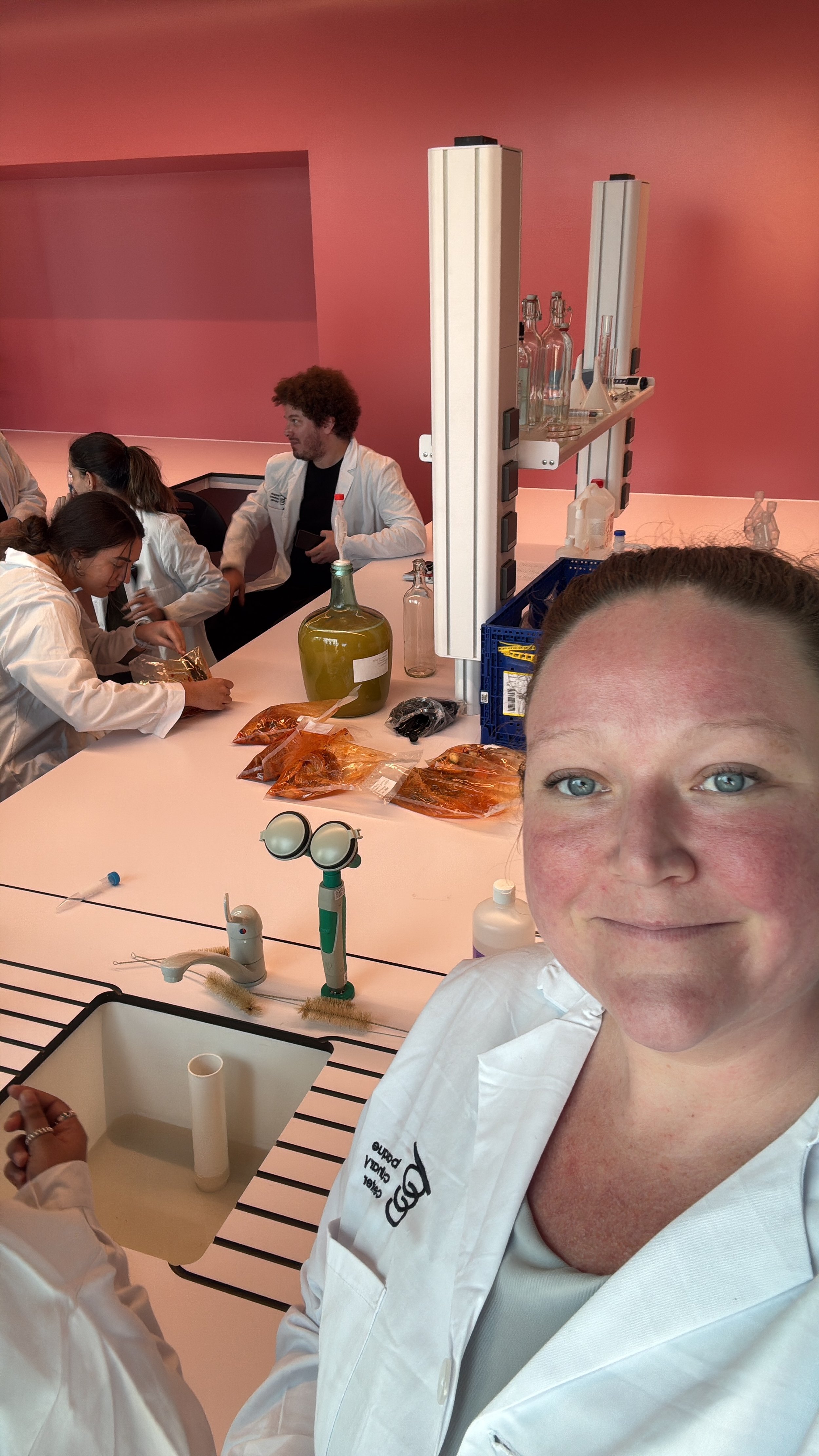
Learning at the Edge of Innovation: A Student's Guide to GOe and Basque Culinary Center
GOe, which opened in October 2025 in the Gros neighborhood, embodies a philosophy that gastronomy isn't just cooking but a comprehensive system connecting health, sustainability, culture, science, and entrepreneurship. While the main Basque Culinary Center campus in Miramón offers undergraduate degrees in Gastronomy and Culinary Arts, GOe focuses on advanced training, research, and innovation.
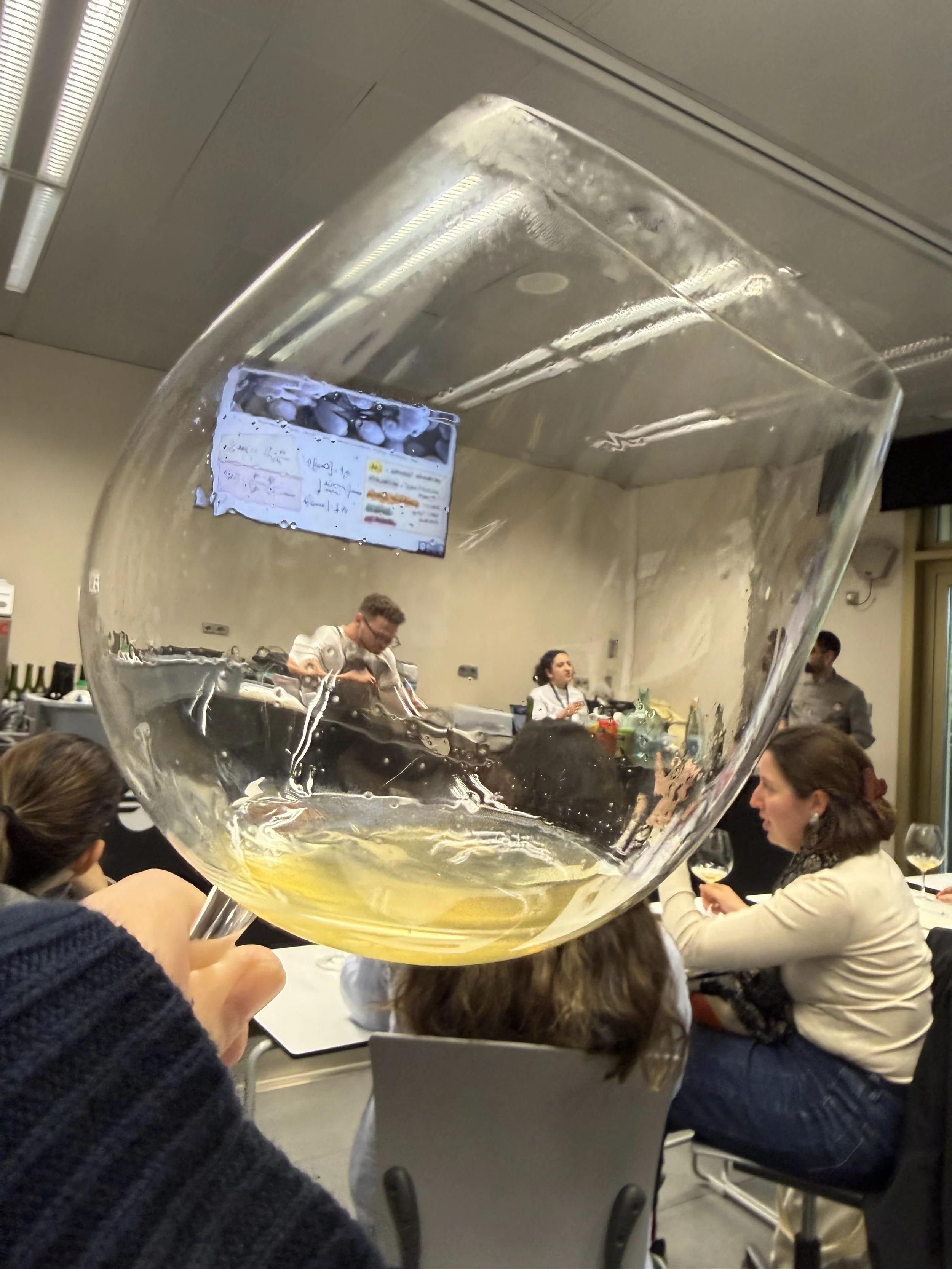
Designing Delicious: Why Sensory Science Is the Most Underrated Food Technology
Sensory science turns “cool ideas” into food people love. Here’s how GOe approaches sensory evaluation, chef panels, and consumer insight to design delicious outcomes.
Sensory analysis, GOe Tech Center, consumer science, chef panels, product development, flavor perception, San Sebastián
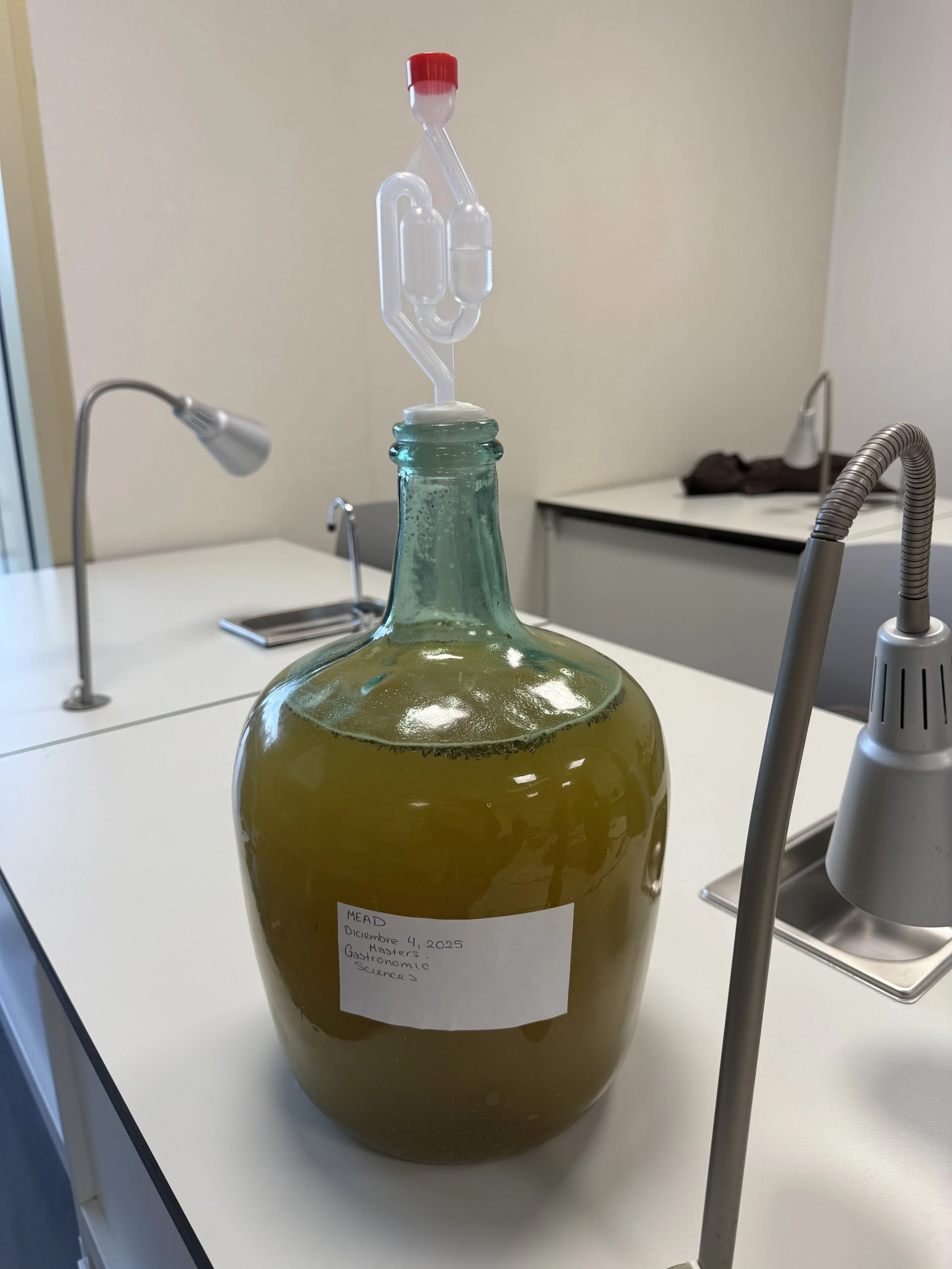
Fermentation Is Technology: How GOe Turns Microbes Into Flavor, Sustainability, and New Possibilities
Fermentation isn’t a trend, it’s a technology. GOe is using microorganisms, labs, and culinary creativity to design foods that are delicious, healthy, and sustainable.
Fermentation, GOe Tech Center, microbiology, flavor innovation, sustainable food, gastronomy technology, San Sebastián
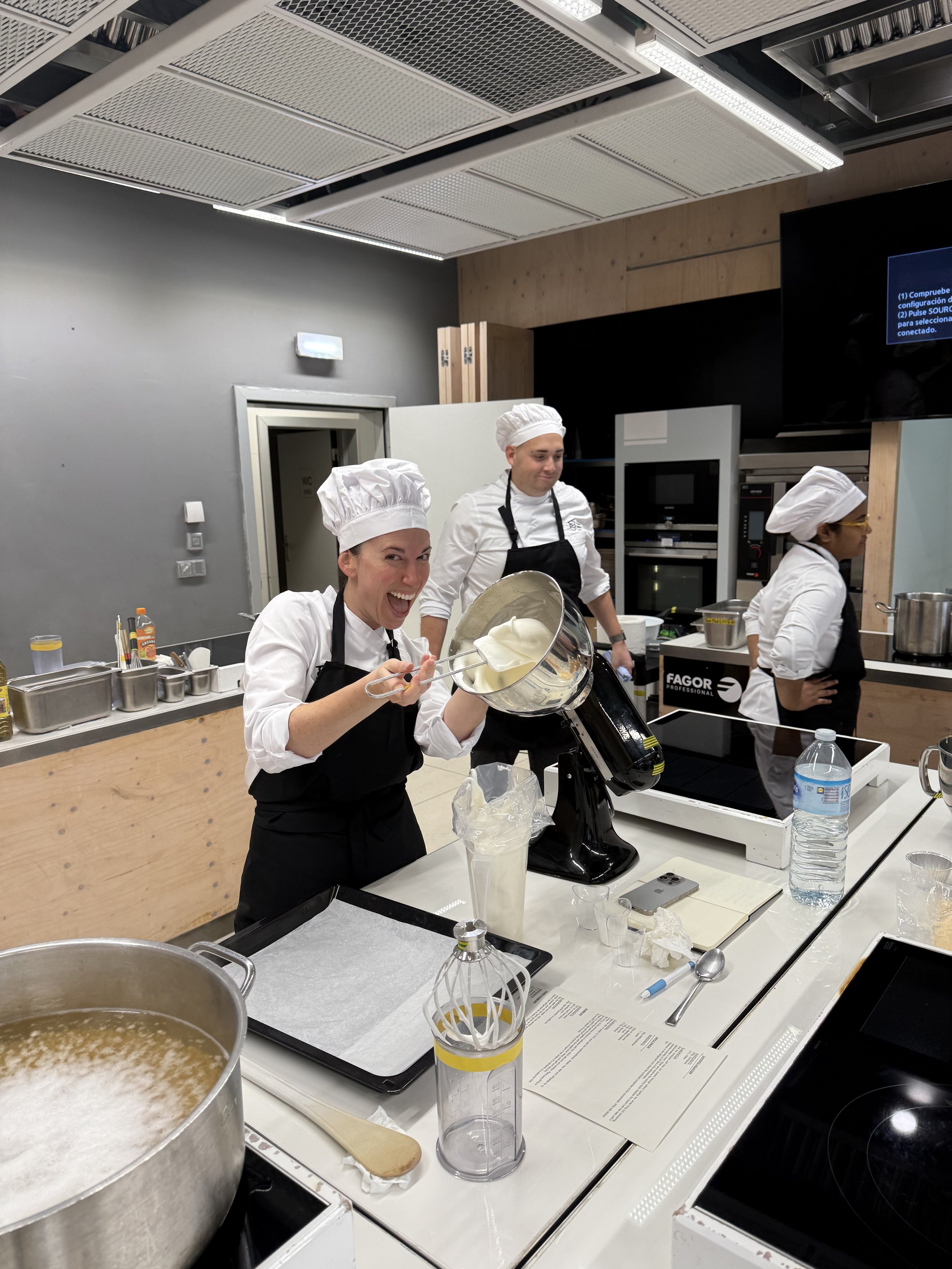
Innovation Culture: Inside GOe's Foodtech Ecosystem and What It Means for Entrepreneurs
San Sebastián already held global culinary prestige before GOe opened. With more Michelin stars per capita than nearly anywhere on Earth and a tradition of gastronomic societies stretching back generations, the city had established itself as a pilgrimage destination for serious food lovers. But GOe, the Gastronomy Open Ecosystem that opened in October 2025, represents a different kind of ambition: building infrastructure not just for dining excellence but for systematic food innovation and entrepreneurship.
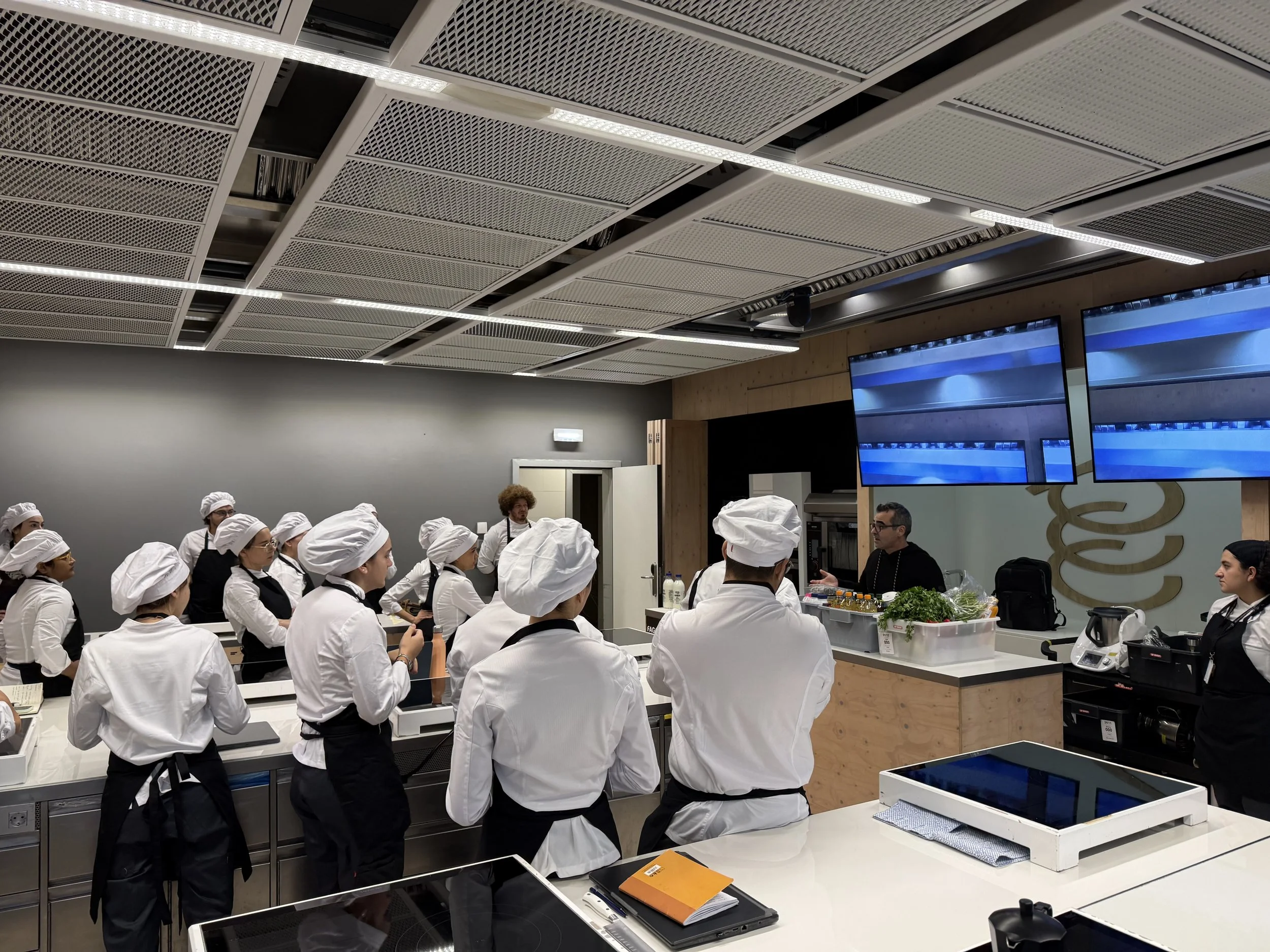
GOe in San Sebastián: When a Building Becomes a Food Innovation Ecosystem
San Sebastián just gained a new kind of landmark: GOe, Gastronomy Open Ecosystem. It’s not only a building; it’s an ecosystem that connects education, research, entrepreneurship, and public engagement to build a more delicious (and more sustainable) future. Here’s what GOe is, why it matters, and what I’m learning from being in this environment.
#GOe #SanSebastian #FoodInnovation #Gastronomy #FoodTech #SensoryScience #Fermentation
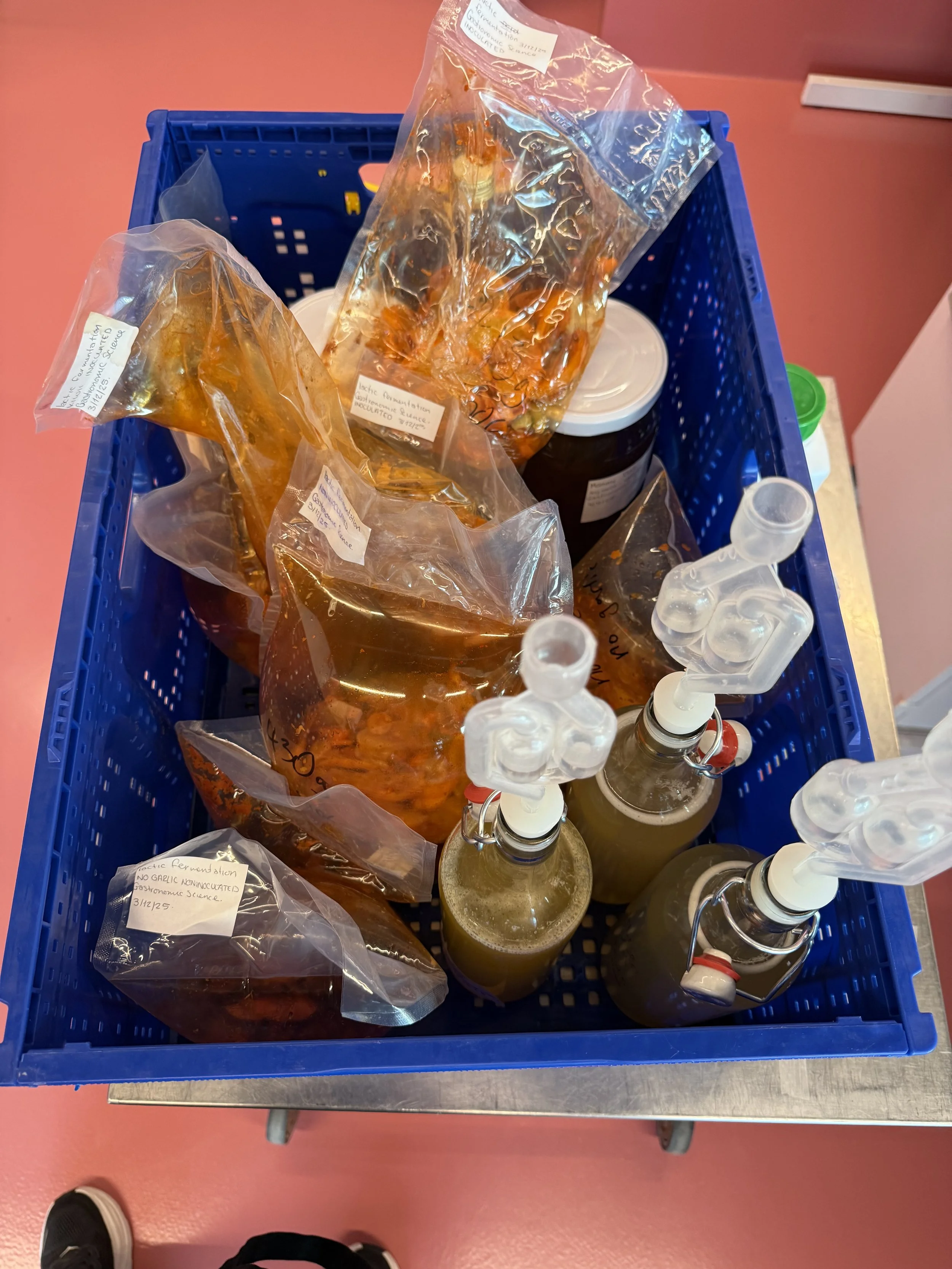
The Science of Delicious: How GOe Tech Center is Shaping What We Eat Tomorrow
Behind the copper-toned façade of GOe in San Sebastián, a quiet revolution is underway. In laboratories filled with fermentation vessels, sensory analysis booths, and experimental kitchens, researchers are asking fundamental questions about the future of food: How can we make alternative proteins taste better? What role do microorganisms play in creating functional foods? How do we design eating experiences that support both health and sustainability?
This is the work of GOe Tech Center, the research and innovation heart of the Gastronomy Open Ecosystem. Opened in October 2025 as part of the Basque Culinary Center's expansion, the Tech Center represents a distinctive approach to food science: one that refuses to separate sensory pleasure from nutritional value, or culinary tradition from cutting-edge biotechnology.
Inside GOe: Where Architecture Meets Gastronomy on the Camino de Santiago
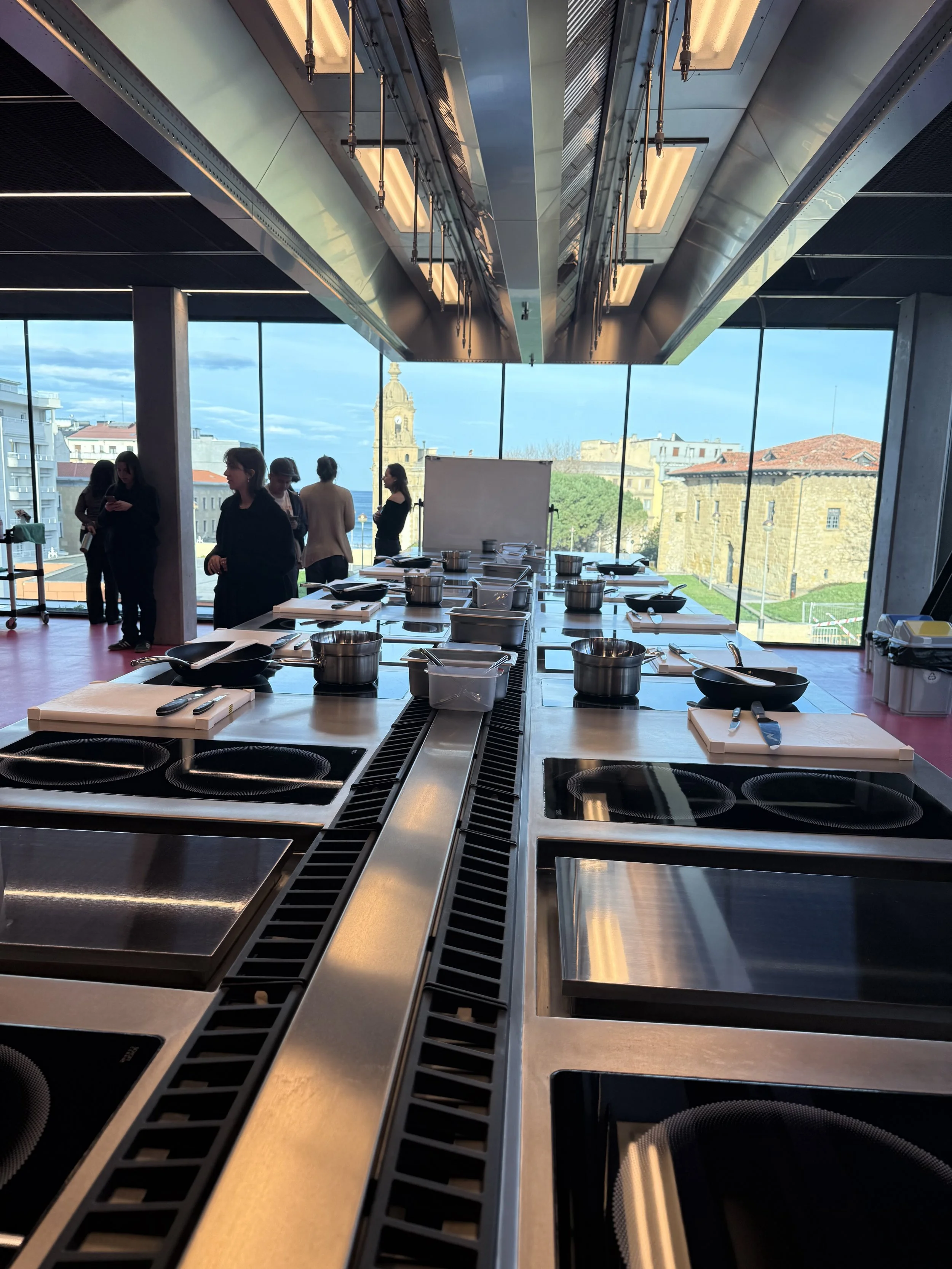
The newest landmark in San Sebastián isn't just a building. It's a statement about the future of food, designed by one of the world's most visionary architects and positioned along one of Europe's most historic pilgrimage routes. GOe, or Gastronomy Open Ecosystem, opened its doors in October 2025 as the Basque Culinary Center's ambitious expansion into the Gros neighborhood, and it represents a radical reimagining of what a culinary research center can be.
How Your Kitchen Can Become a Laboratory with Fermentation
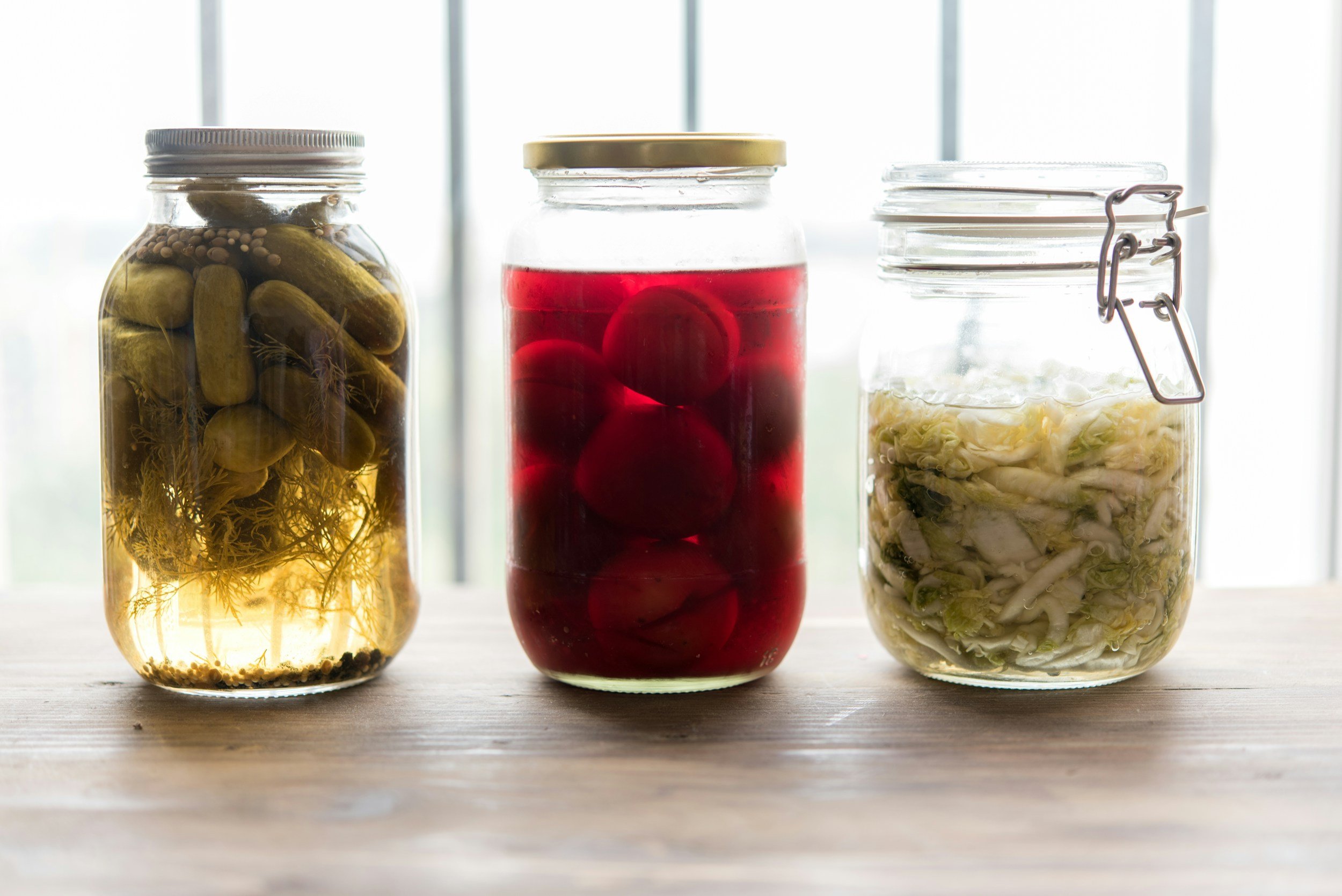
Most people consume fermented foods every single day without understanding the elegant biochemistry happening at a microscopic level. That tangy yogurt sitting in your fridge, the complex flavors in your miso paste, the effervescent kombucha you sip in the afternoon, all the result of microorganisms following fundamental biochemical principles that have remained unchanged for billions of years.
Fermentation is not new. Humans have been fermenting foods for over 10,000 years, long before we understood microbiology or genetics. Yet only recently have scientists begun to fully appreciate the genius of what traditional cultures understood intuitively: fermentation is transformation through microbial metabolism.