Kombucha Under the Microscope: The Secret Ecosystem In Your Jar
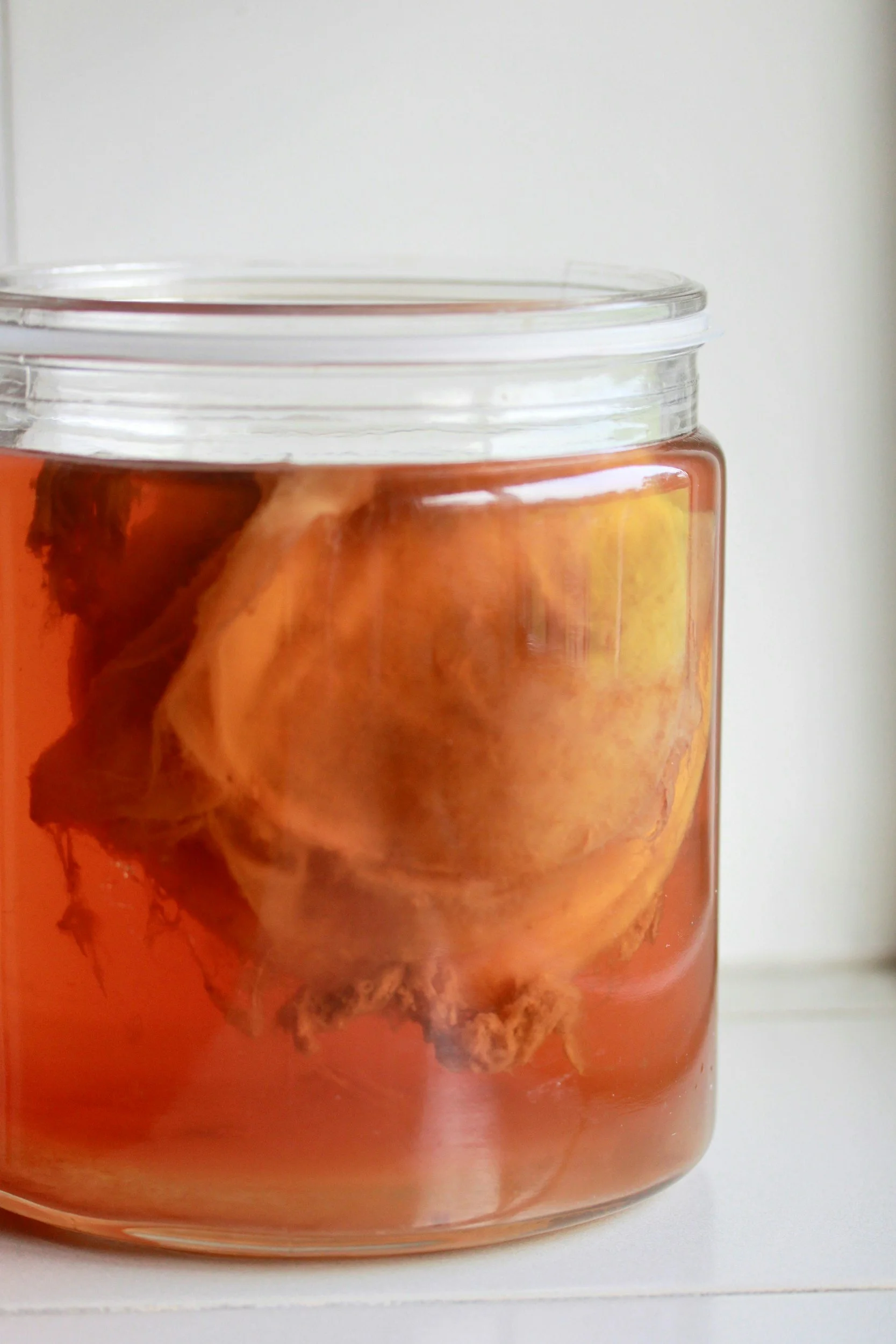
That rubbery disc floating in your kombucha jar is not a mistake or a film to be removed. It is a highly organized biological community thousands of years old. It is a microbial city where bacteria and yeast coexist, cooperate, and create one of the most complex fermented beverages known to humanity.
This community is called a SCOBY, which stands for Symbiotic Culture of Bacteria and Yeast. Despite its intimidating acronym, a SCOBY is simply a biofilm where microorganisms have organized themselves into a structured matrix. Understanding what lives in your kombucha jar requires understanding the remarkable organisms that call it home.
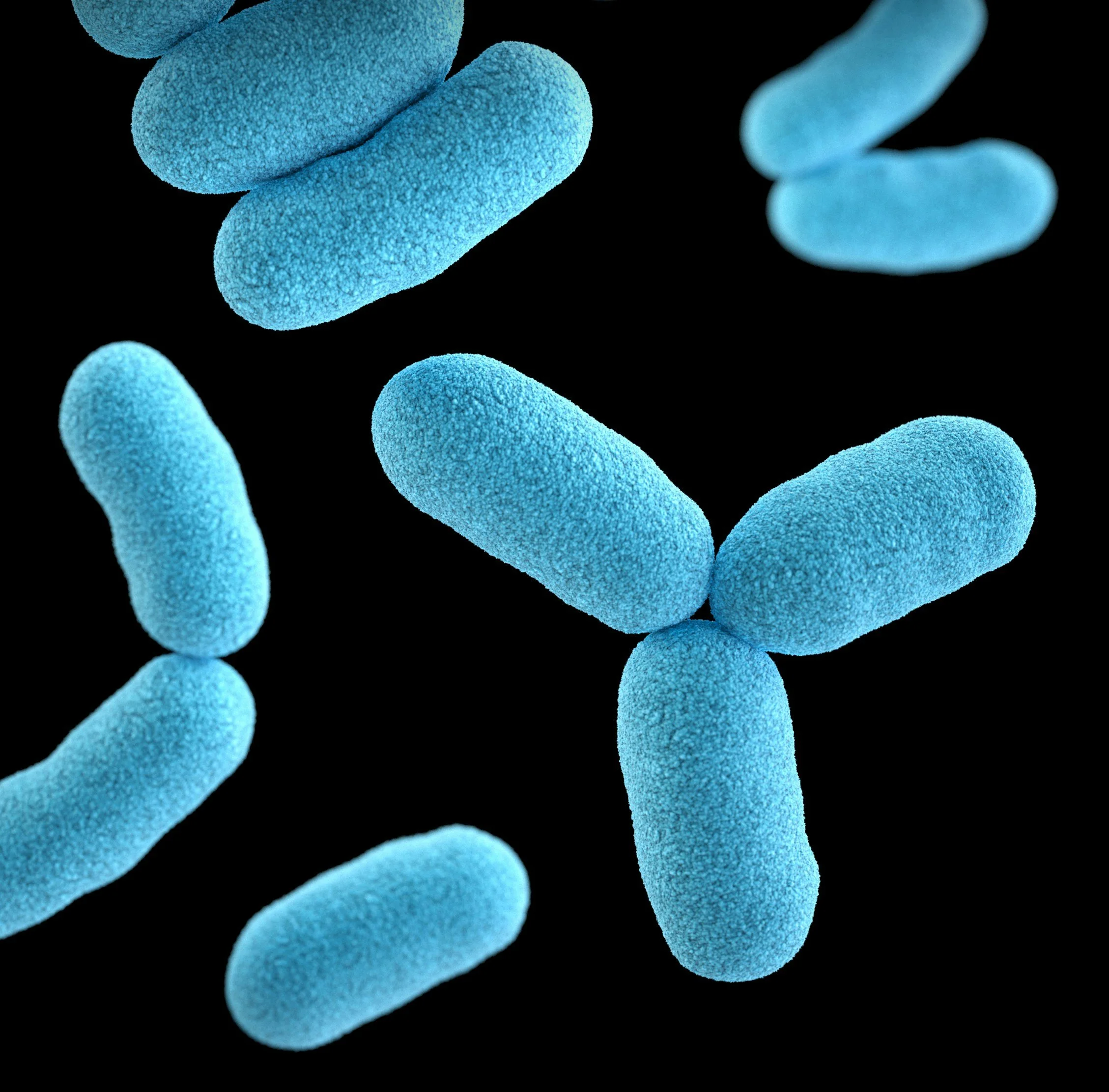
The bacterial component of kombucha is dominated by acetic acid bacteria, primarily species of Komagataeibacter and Acetobacter. These organisms are specialized: they oxidize ethanol into acetic acid.
The most commonly identified species is Komagataeibacter rhaeticus, an organism that converts ethanol to acetic acid through a series of enzymatic reactions. But kombucha also contains Komagataeibacter xylinus, the remarkable organism that produces the SCOBY pellicle itself.
K. xylinus is the SCOBY builder. It produces cellulose, the same polymer that makes up plant cell walls. The process is extraordinary. The bacterium takes glucose, converts it through biochemical pathways into UDP-glucose, then uses enzymes called cellulose synthases to polymerize glucose molecules into long chains of pure cellulose.
These cellulose chains self-assemble into nanofibrils only 2 to 4 nanometers in diameter. These nanofibrils then organize into nanoribbons 40 to 60 nanometers wide. Through cross-linking and further organization, they form the visible pellicle, the rubbery disc that floats on the surface of your kombucha.
This pellicle serves multiple functions. It floats at the surface, trapping carbon dioxide from the fermentation and creating a protective barrier. It provides structural support for the entire microbial community, allowing bacteria and yeast to organize in stable layers. And remarkably, it continues growing throughout the fermentation, thickening over days and weeks.
Beyond K. xylinus, kombucha contains other acetic acid bacteria like K. europaeus and K. hansenii. These organisms work together, creating an intricate division of labor. Some primarily oxidize ethanol to acetic acid. Others produce gluconic acid, a unique compound that gives kombucha its distinctive tangy flavor and bioactive properties.
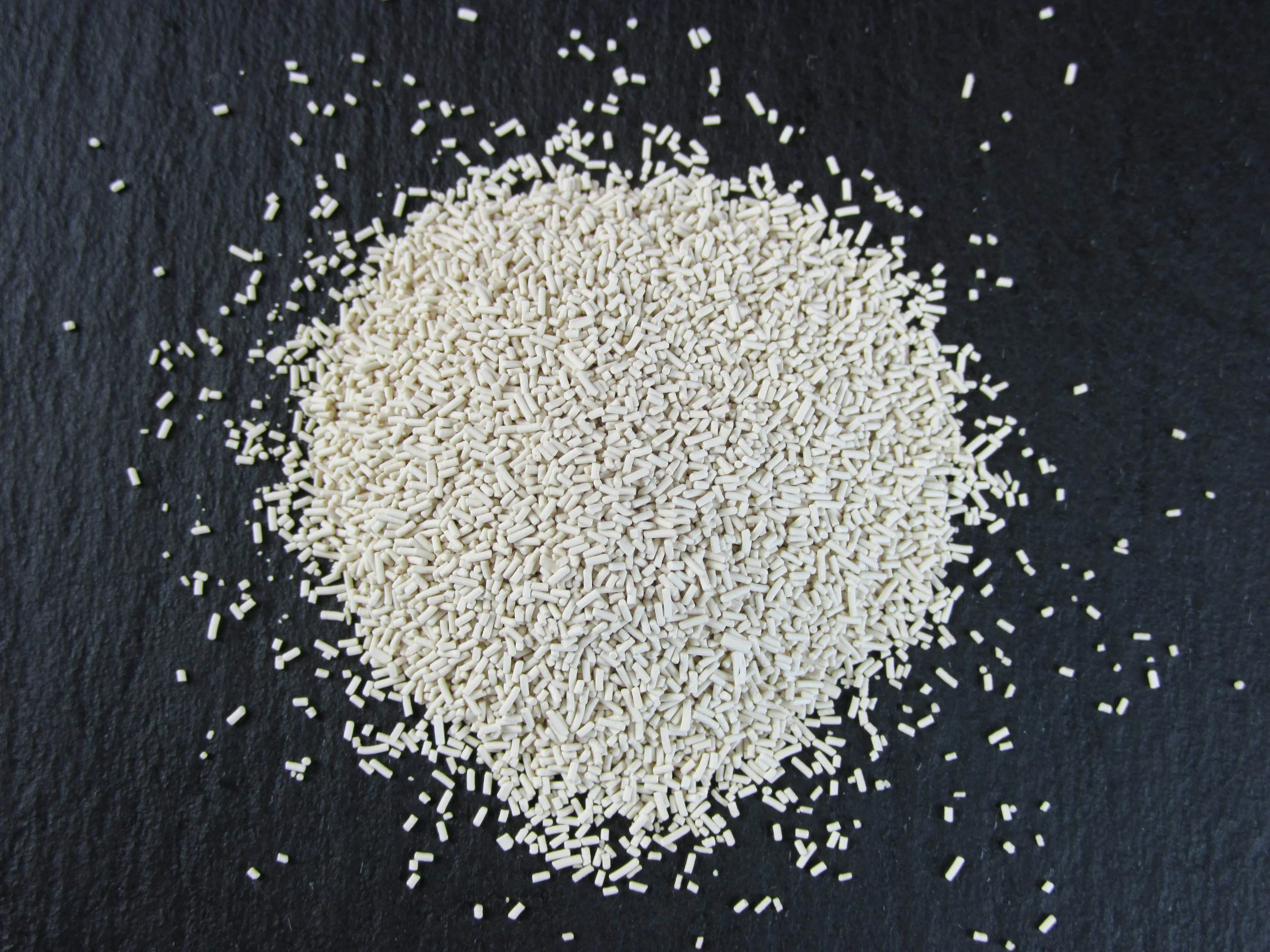
While bacteria create the acidic environment, yeast provides the substrate for bacterial action. Yeast ferments the sugar in tea, producing ethanol and carbon dioxide.
Saccharomyces cerevisiae and Brettanomyces/Dekkera bruxellensis are the most commonly identified yeasts in kombucha. Remarkably, S. cerevisiae is the same organism used in beer, wine, and bread. But Brettanomyces, often considered a contaminant in wine production, is highly valued in kombucha where it produces unique flavor compounds.
Brettanomyces produces phenolic compounds and esters that create the complex, slightly funky flavor profiles many kombucha enthusiasts appreciate. It can survive in high acid environments and low pH that would kill most microorganisms. This specialized adaptation makes it ideal for kombucha environments.
The yeast population is smaller (roughly 5 to 10 percent of the microbial community) compared to bacteria, but their role is disproportionately important. Without yeast fermentation, there is no ethanol. Without ethanol, there is nothing for acetic acid bacteria to oxidize.
What is fascinating about kombucha is that the microbial community does not remain static. It changes dramatically over the fermentation period.
In the first 24 hours, yeast dominates. Saccharomyces or Brettanomyces begins fermenting sucrose into glucose and fructose, then further fermenting these into ethanol and CO2. The pH begins dropping but is still quite high (above pH 4). The tea begins becoming cloudy as yeast cells increase in number.

By day 3 to 4, a shift occurs. Acetic acid bacteria begin dominance, utilizing the ethanol produced by yeast. Komagataeibacter species rapidly oxidize ethanol into acetic acid. The pH drops more dramatically. The flavor becomes noticeably tangy. Bubbles from CO2 production become visible.
By day 7 to 10, equilibrium approaches. The pH has dropped below 3.0, creating a hostile environment for most pathogens. The pellicle has thickened. The microbial communities have stabilized with specific bacterial and yeast populations occupying specific niches within the biofilm.
By day 14 and beyond, the fermentation is essentially complete. The community composition stabilizes. Additional fermentation continues slowly. The flavor develops further through the continued production of metabolites and enzymatic browning reactions.
Remarkably, research shows that the early fermenting communities (days 0-2) and the late fermenting communities (days 10-12) are similar in composition, even though dramatic shifts occur in between. This observation supports the practice of back-slopping, where mature kombucha is used to start new batches. The mature community reassembles the early-stage community relatively quickly.
Understanding kombucha requires understanding the chemical changes occurring.
Sucrose in the starting tea is split into glucose and fructose through the action of invertase enzymes. These simple sugars are then fermented by yeast into ethanol and CO2. The ethanol produced can range from 0.5 to 3 percent depending on fermentation length and sugar content.
The ethanol is then oxidized by acetic acid bacteria. The oxidation occurs through a series of enzymatic steps, with acetaldehyde as an intermediate. The final product is acetic acid, giving kombucha its characteristic sour taste.
Beyond these primary fermentation products, kombucha contains gluconic acid, often at higher concentrations than acetic acid. Gluconic acid is produced by glucose oxidase enzymes from acetic acid bacteria and is unique to kombucha among fermented beverages. This compound has been studied for various potential health properties.
Additionally, kombucha contains B vitamins synthesized by bacteria and yeast. B1, B2, B3, B5, B7, and B12 are all produced to varying degrees. Some of these are at concentrations comparable to found in fortified foods, though the amount varies substantially depending on the starting tea, fermentation conditions, and fermentation length.
Kombucha has become associated with numerous health claims ranging from improved digestion to detoxification to cancer prevention. Most of these claims are not supported by substantial scientific evidence.
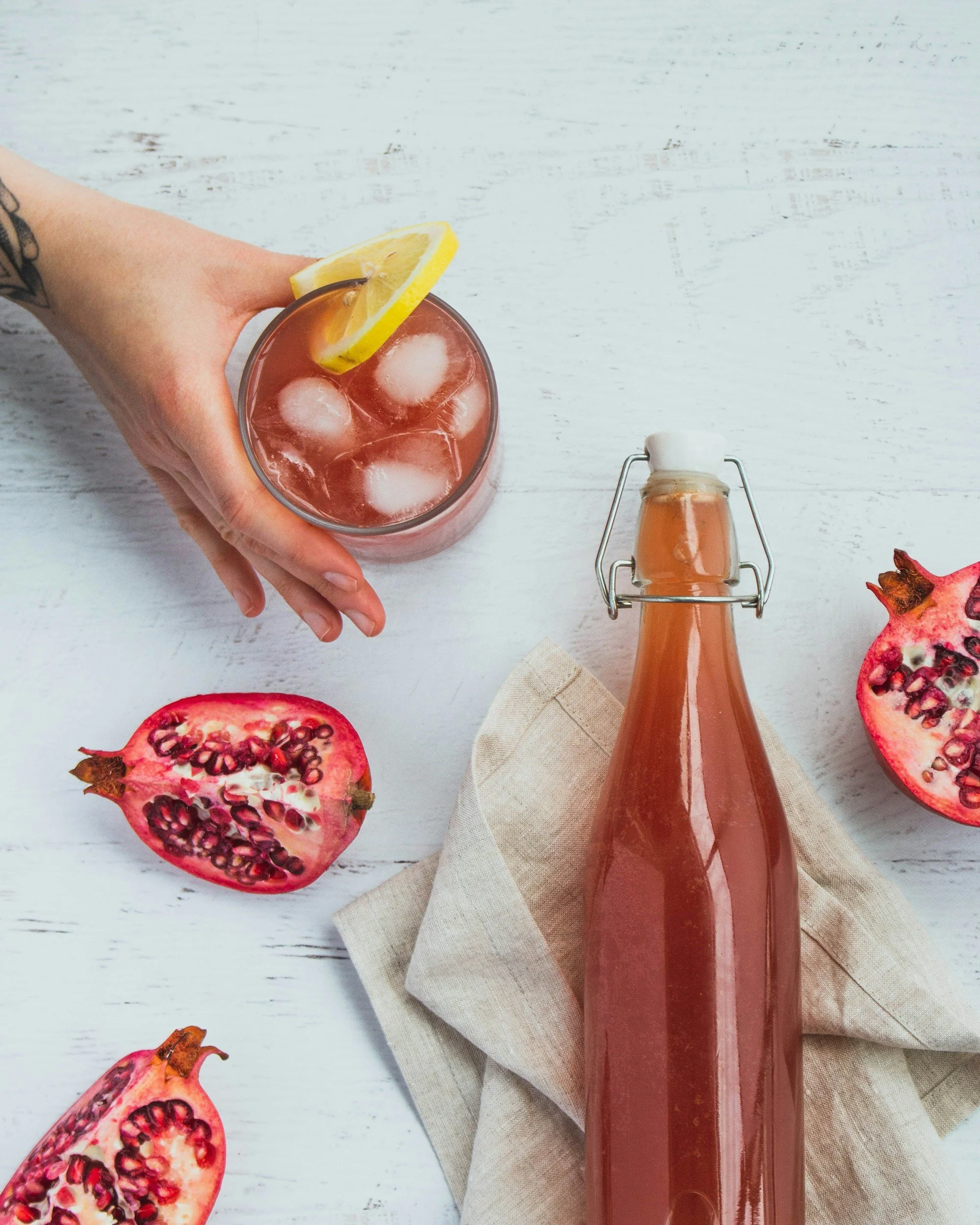
What is supported: kombucha contains beneficial organic acids (acetic and gluconic), produces live bacteria and yeast that may have probiotic effects (strain and quantity dependent), and contains antioxidants from the tea base. These are genuine benefits, but not the revolutionary cures sometimes claimed.
The acetic acid has antimicrobial properties and may influence gut bacteria in beneficial ways. Gluconic acid has been studied for potential antioxidant properties. The live cultures, if consumed in adequate quantities and from appropriate strains, may confer probiotic benefits similar to other fermented foods.
But kombucha is not a magic potion. It will not detoxify your liver or cure serious disease. It is a fermented beverage with genuine nutritional benefits when consumed as part of a healthy diet.
The beauty of kombucha is that brewing it at home is remarkably simple. You need tea (the tannins provide substrate and antimicrobial properties), sugar (food for the yeast), water, and a SCOBY.
If you do not have a SCOBY, one can be grown from scratch in approximately 4 to 6 weeks using store-bought kombucha as the starter culture. Combine sweet tea with kombucha in a jar, cover with cloth, and wait. Gradually a pellicle will form.
Once you have a SCOBY, brewing is straightforward. Brew strong tea (black or green), dissolve sugar at approximately 60 to 100 grams per liter, cool the tea, add your SCOBY and starter liquid from a previous batch, and allow to ferment at room temperature (20 to 28 degrees Celsius) for 7 to 14 days depending on your taste preference.
The SCOBY can be reused indefinitely. Each fermentation produces a new layer of cellulose, thickening the pellicle. You can remove excess pellicle if it becomes too thick (over 1 centimeter), or you can keep it all together.
Perhaps the most remarkable aspect of kombucha is that it is truly alive. The SCOBY is not a static object but a living community constantly adapting, growing, and reproducing.
Each time you brew, you are engaging in a symbiotic relationship that has existed for thousands of years. The bacteria and yeast you nurture in return produce a beverage with nutritional and flavor benefits. You provide the food and controlled environment. They provide the fermentation and transformation.
This exchange, this cooperation, this dance between human and microorganism, reminds us that we are never truly separate from the microbial world. We are in constant relationship with bacteria and yeast, whether we acknowledge it or not.
