A collection of guides, reflections, and resources on Gastronomy and Life in Spain.
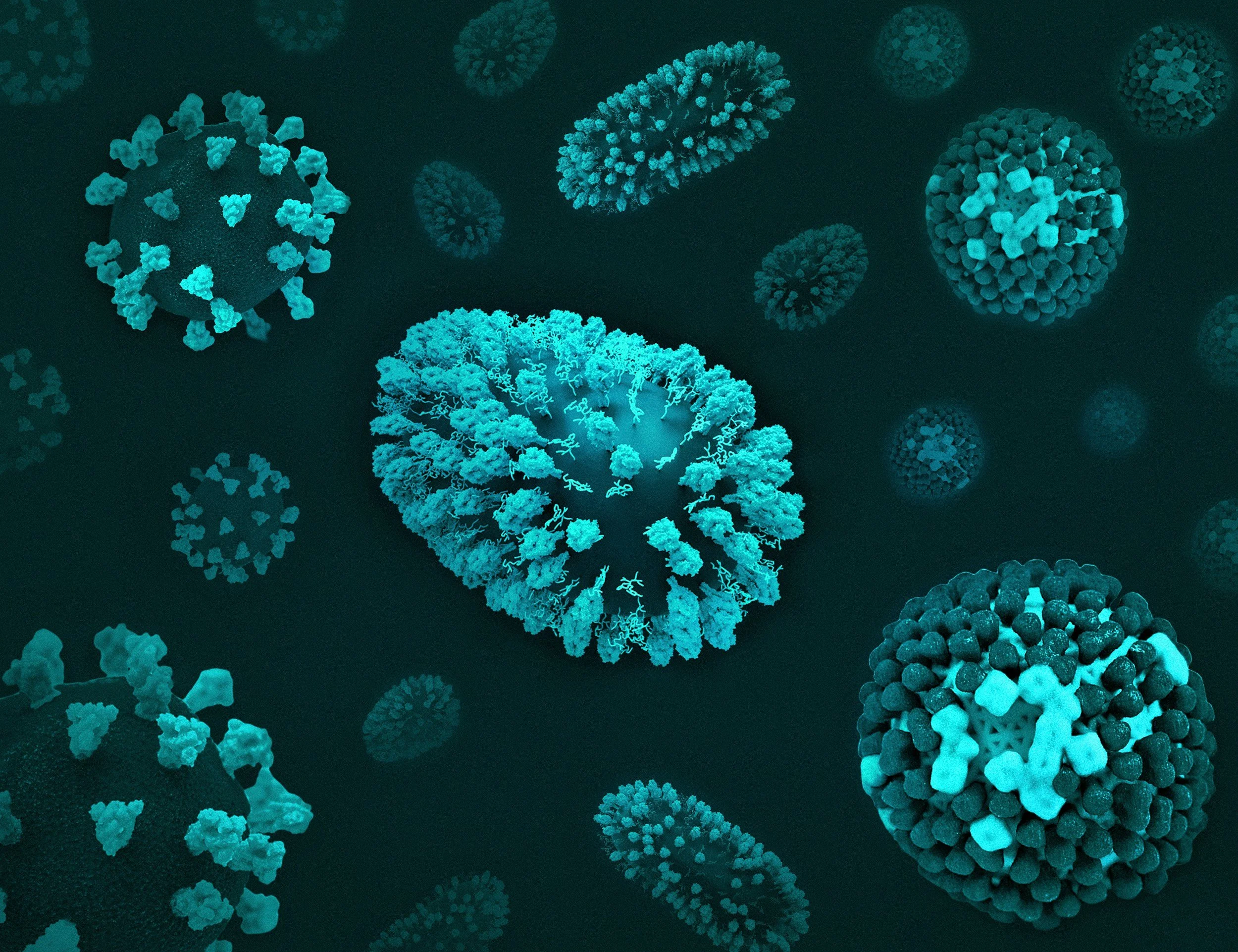
The Microbiology of Safe Fermentation: How to Harness Good Microbes and Avoid Hidden Risks
Fermentation is often seen as an ancient, “natural” way to preserve food, but that does not mean every ferment is automatically safe. Safe fermentation is applied microbiology: beneficial bacteria and yeasts must be given the right conditions to dominate, while pathogens are pushed out of their comfort zone. This article explains why properly made fermented foods are usually safer than the raw ingredients, and how regulatory concepts like GRAS and QPS define which microbes are considered safe for use in food. It compares wild ferments (like sourdough, kombucha, kefir, and kimchi) with defined starter cultures so you understand the trade-offs between flavor, tradition, and safety. You will learn the three big control levers, pH, salt and water activity, and temperature, and how they work together to keep Salmonella, Listeria, Clostridium botulinum, and other hazards in check. Finally, you get a practical checklist for safe home fermentation and clear advice for people who need to be extra cautious, including pregnant, immunocompromised, or histamine-sensitive readers.
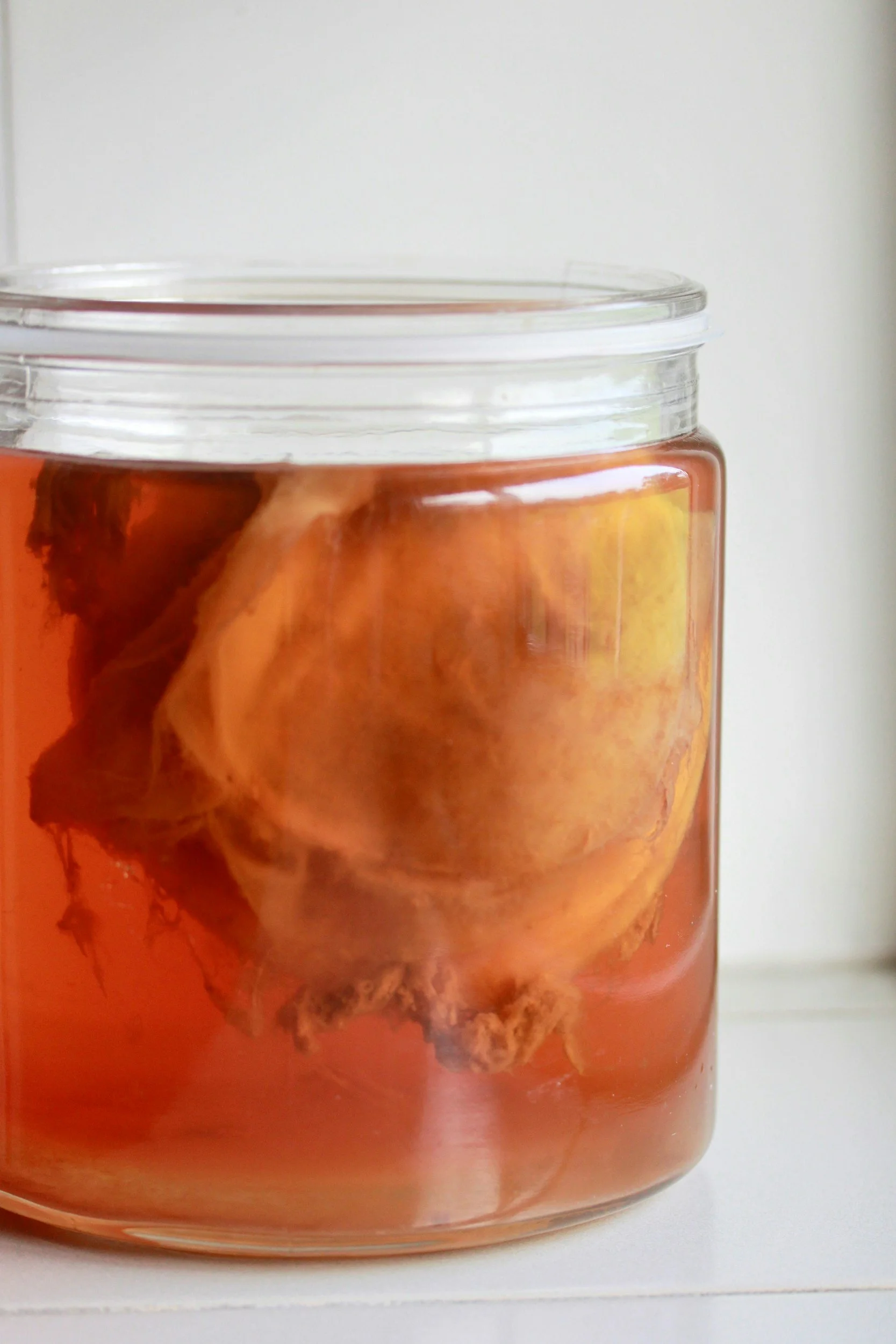
Kombucha Under the Microscope: The Secret Ecosystem In Your Jar
That rubbery disc floating in your kombucha jar is not a mistake or a film to be removed. It is a highly organized biological community thousands of years old. It is a microbial city where bacteria and yeast coexist, cooperate, and create one of the most complex fermented beverages known to humanity.
This community is called a SCOBY, which stands for Symbiotic Culture of Bacteria and Yeast. Despite its intimidating acronym, a SCOBY is simply a biofilm where microorganisms have organized themselves into a structured matrix. Understanding what lives in your kombucha jar requires understanding the remarkable organisms that call it home.
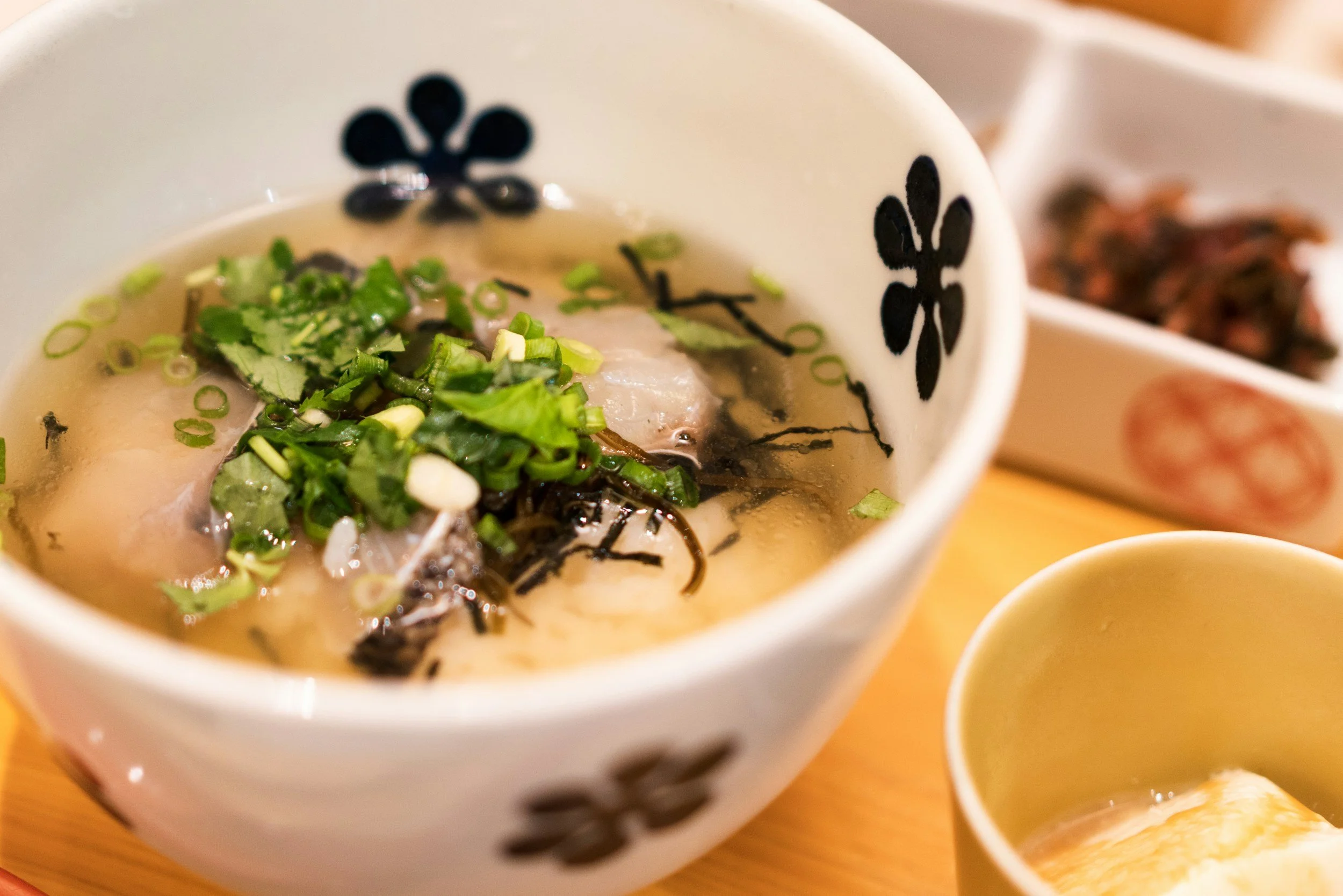
The Magic of Miso: Ancient Fermentation Meets Modern Science
In Japanese cuisine, miso is often described as liquid gold. A spoonful contains the concentrated complexity of flavors, aromas, and health benefits that result from years of microbial fermentation. Yet what makes miso truly remarkable is not poetry but biochemistry.
Miso represents one of humanity's oldest and most sophisticated fermentation processes. It demonstrates how microorganisms, salt, time, and human knowledge combine to transform simple soybeans into a food that improves nutrition, creates addictive umami flavors, and supports health.
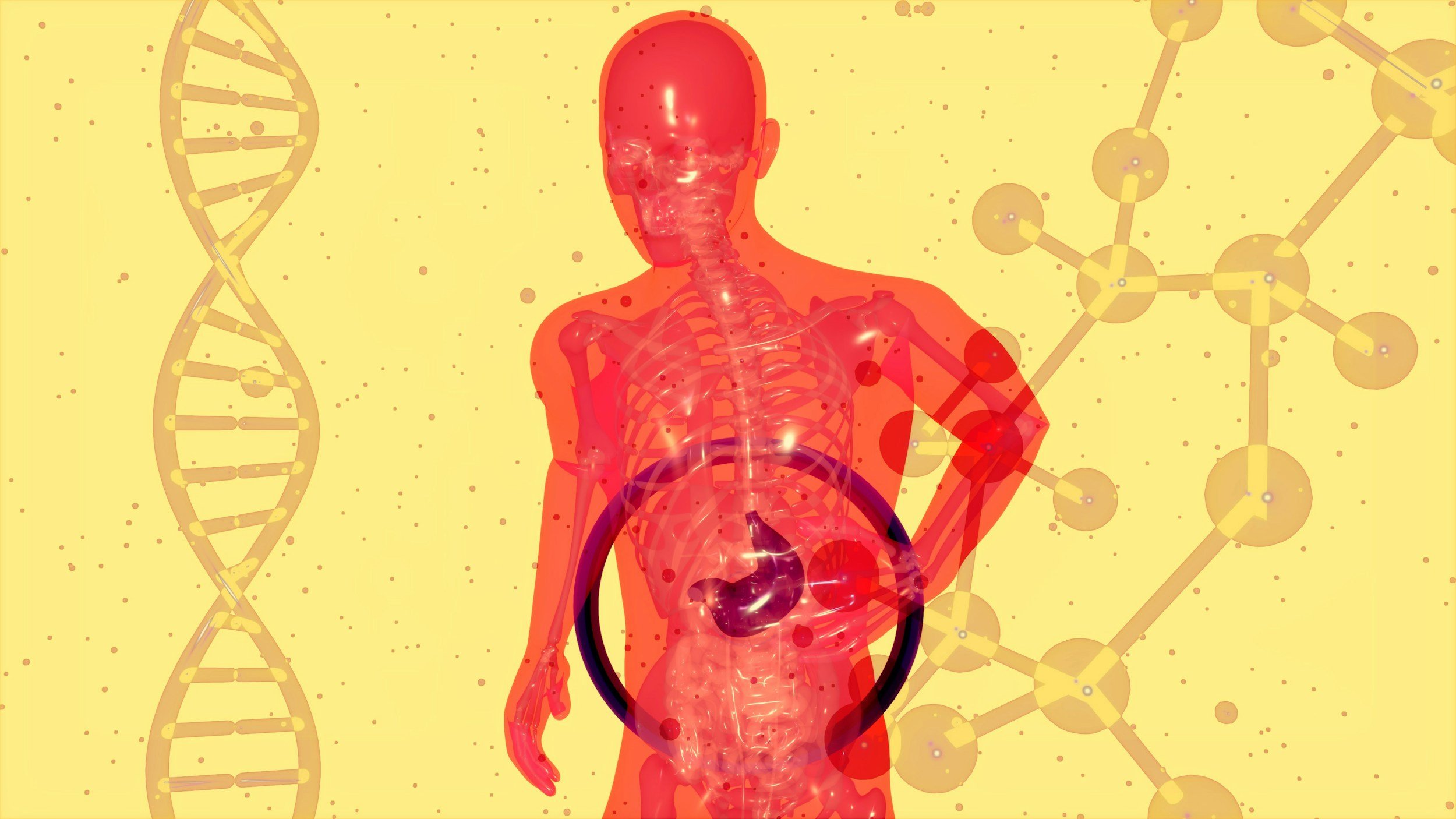
Understanding Your Gut Microbiome: The 100 Trillion Microbes That Rule Your Health
You are never truly alone. Right now, as you read this, approximately 38 trillion microorganisms live inside your body. Most reside in your colon, creating a complex ecosystem more diverse than any rainforest and more influential to your health than you might imagine.
This ecosystem is your microbiome, and it is perhaps the single most important factor in determining your health status, immune function, mental state, and risk for chronic disease. Yet for most of human history, we did not know it existed. Modern science has only begun to appreciate its significance.
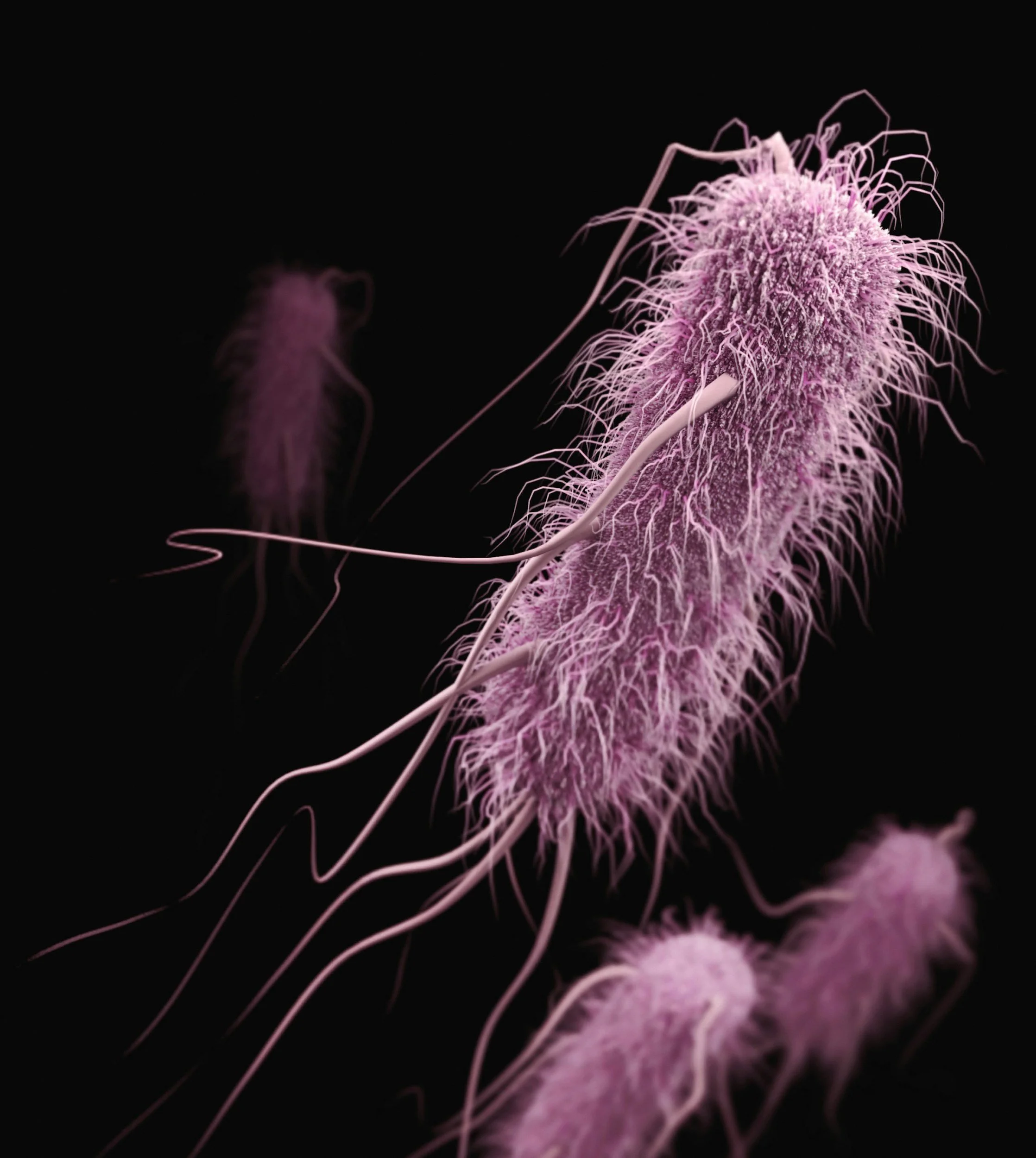
The Science Behind Bacterial Growth: Why a Single Cell Becomes a Colony
One bacterial cell does not seem dangerous. One cell of Escherichia coli is invisible to the naked eye, weighs less than a picogram, and seems utterly insignificant in the vastness of food or human body.
Yet that single cell is a sophisticated biological entity with the potential to become a problem rapidly. Understanding bacterial growth is understanding one of the most important principles in food safety, fermentation control, and disease prevention.
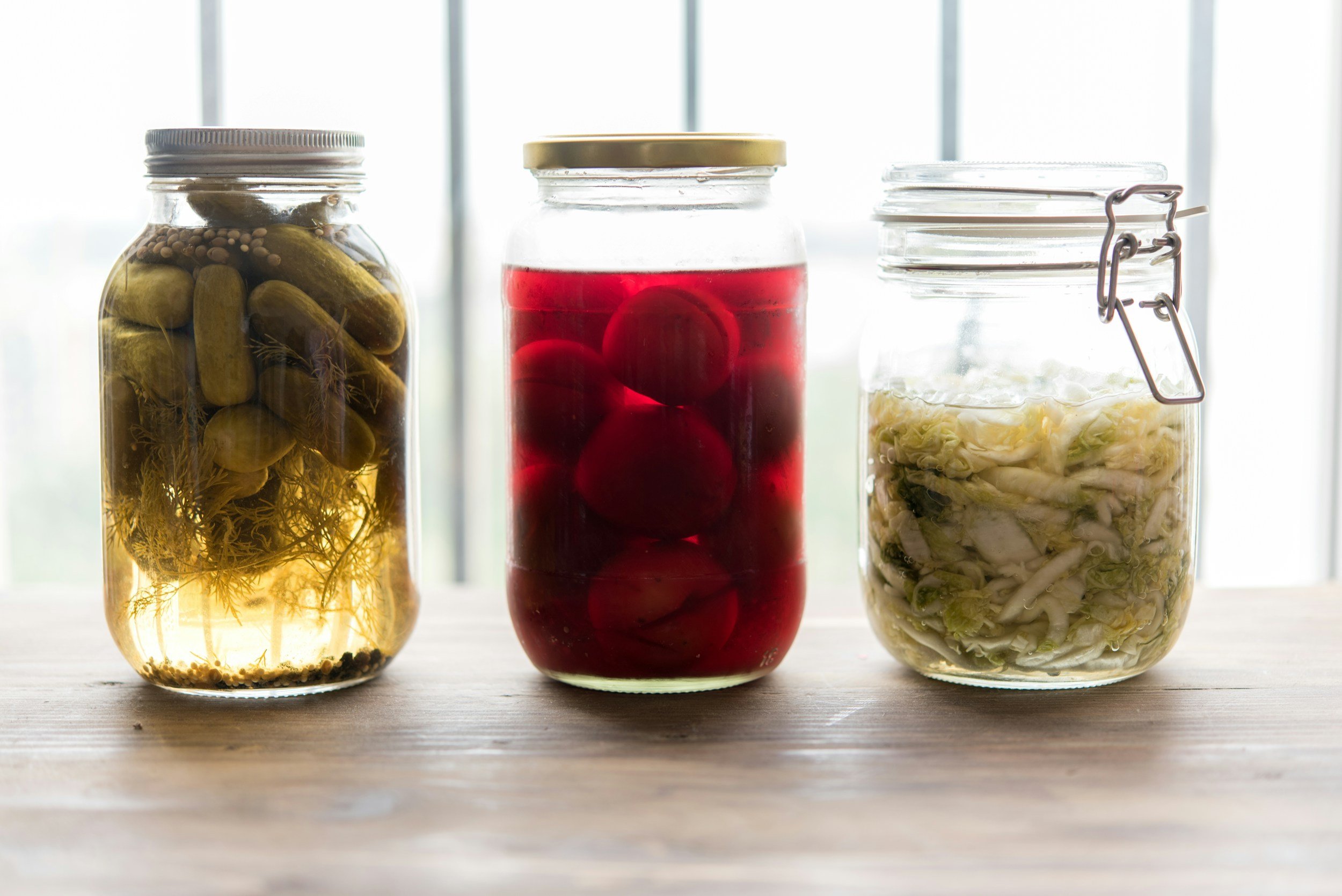
How Your Kitchen Can Become a Laboratory with Fermentation
Most people consume fermented foods every single day without understanding the elegant biochemistry happening at a microscopic level. That tangy yogurt sitting in your fridge, the complex flavors in your miso paste, the effervescent kombucha you sip in the afternoon, all the result of microorganisms following fundamental biochemical principles that have remained unchanged for billions of years.
Fermentation is not new. Humans have been fermenting foods for over 10,000 years, long before we understood microbiology or genetics. Yet only recently have scientists begun to fully appreciate the genius of what traditional cultures understood intuitively: fermentation is transformation through microbial metabolism.

What I'm Studying This Semester and Why It Matters
What if graduate school weren’t only about a degree, but about transforming your life intentionally? This semester, I’m at the university in Spain studying gastronomy, but every course addresses something more profound: healing, justice, creativity, and care. From sensory perceptions to ethics of business, this is what I’m learning and why it’s transforming everything.
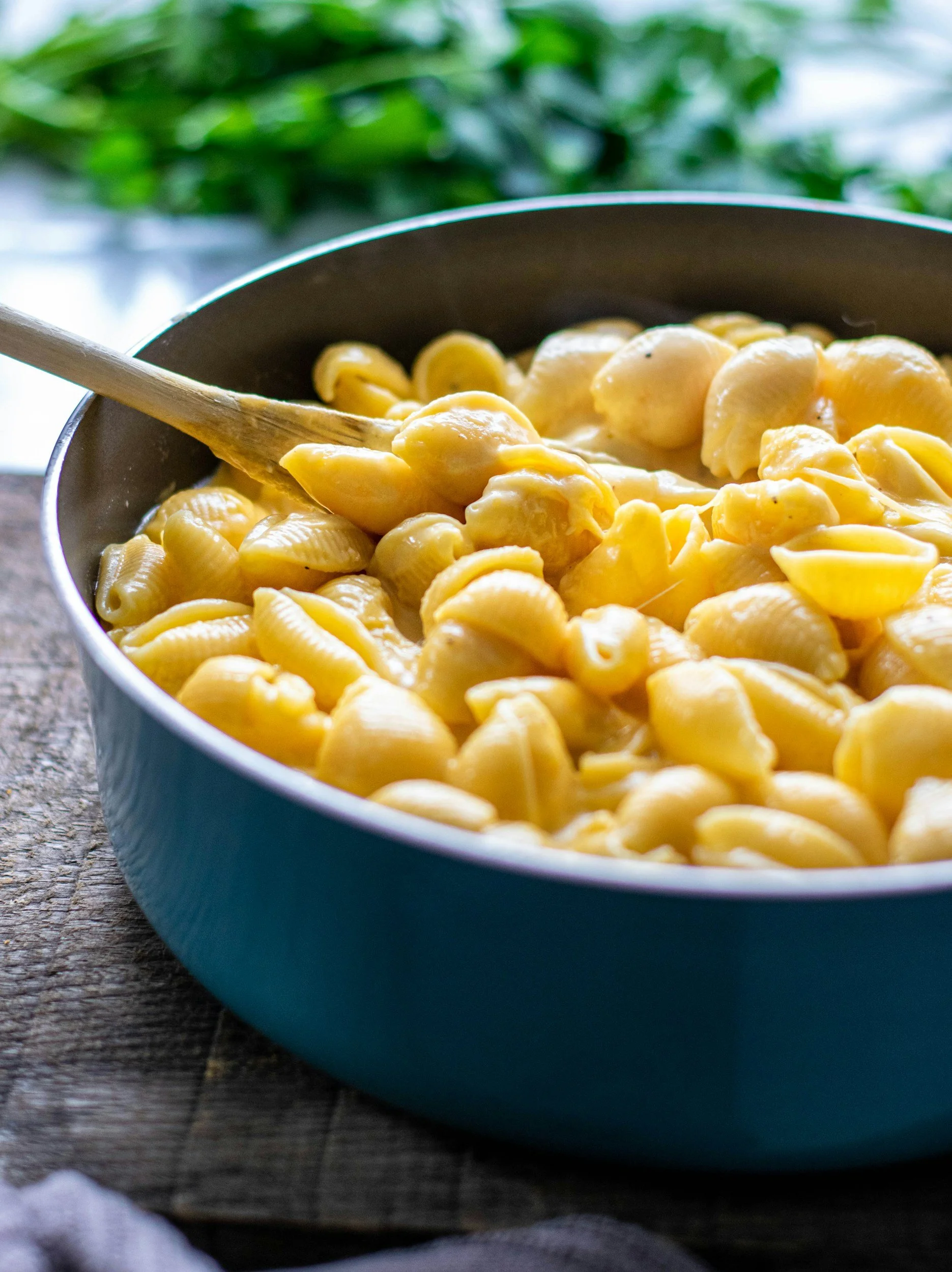
5 Food-Related Things I Wish I Could Pack But Can’t
Food is one of the deepest ways I stay connected to home. As I move abroad, here are the five food-related things I wish I could pack and what they represent.
Which food screams “home” for you? What grocery store item would you miss most if you moved abroad?

Why I chose the Basque Culinary Center
After years of searching for the right path, I found a graduate program that felt made for me. Here’s why I chose the Basque Culinary Center to study Gastronomic Sciences.