A collection of guides, reflections, and resources on Gastronomy and Life in Spain.
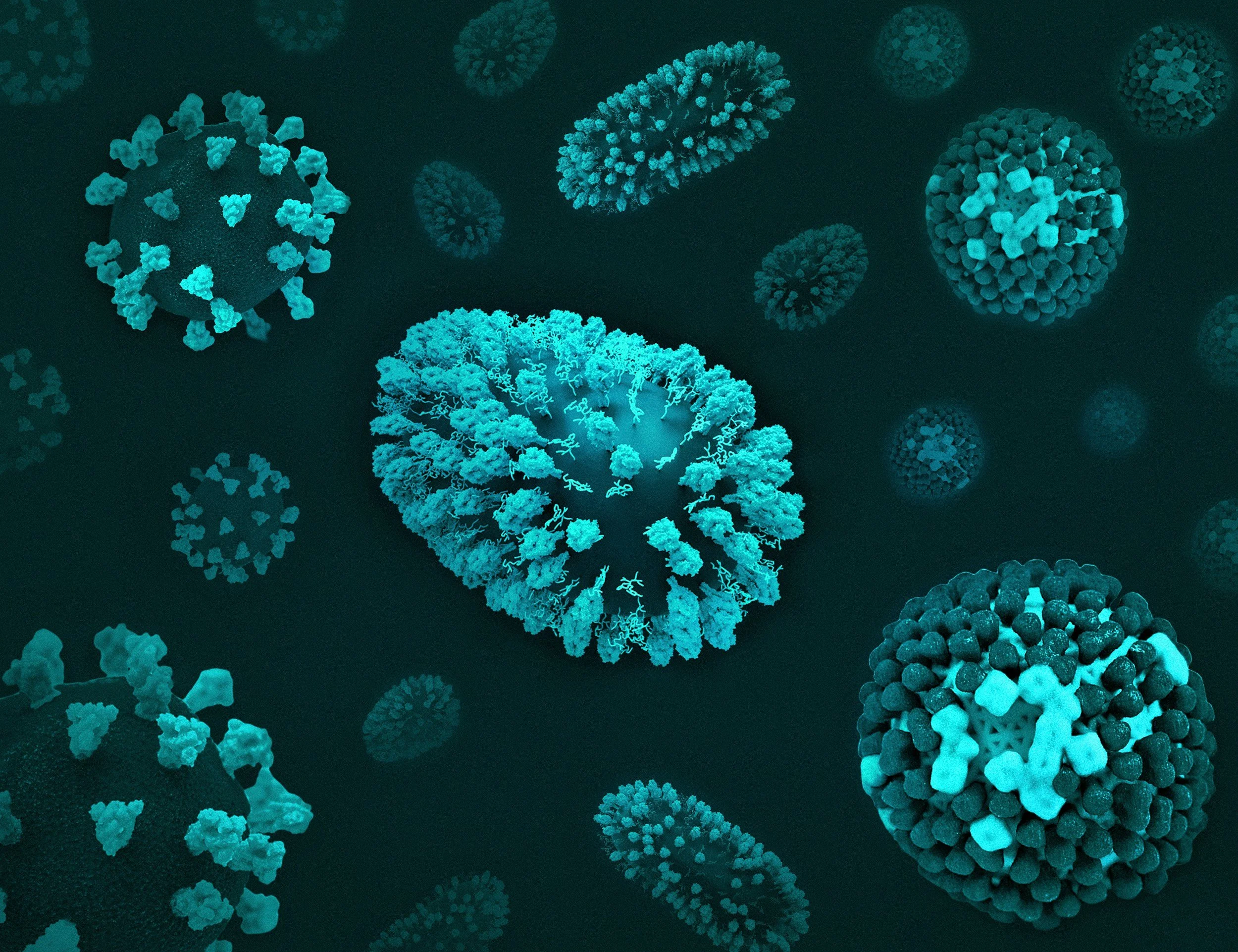
The Microbiology of Safe Fermentation: How to Harness Good Microbes and Avoid Hidden Risks
Fermentation is often seen as an ancient, “natural” way to preserve food, but that does not mean every ferment is automatically safe. Safe fermentation is applied microbiology: beneficial bacteria and yeasts must be given the right conditions to dominate, while pathogens are pushed out of their comfort zone. This article explains why properly made fermented foods are usually safer than the raw ingredients, and how regulatory concepts like GRAS and QPS define which microbes are considered safe for use in food. It compares wild ferments (like sourdough, kombucha, kefir, and kimchi) with defined starter cultures so you understand the trade-offs between flavor, tradition, and safety. You will learn the three big control levers, pH, salt and water activity, and temperature, and how they work together to keep Salmonella, Listeria, Clostridium botulinum, and other hazards in check. Finally, you get a practical checklist for safe home fermentation and clear advice for people who need to be extra cautious, including pregnant, immunocompromised, or histamine-sensitive readers.
Learning at the Edge of Innovation: A Student's Guide to GOe and Basque Culinary Center
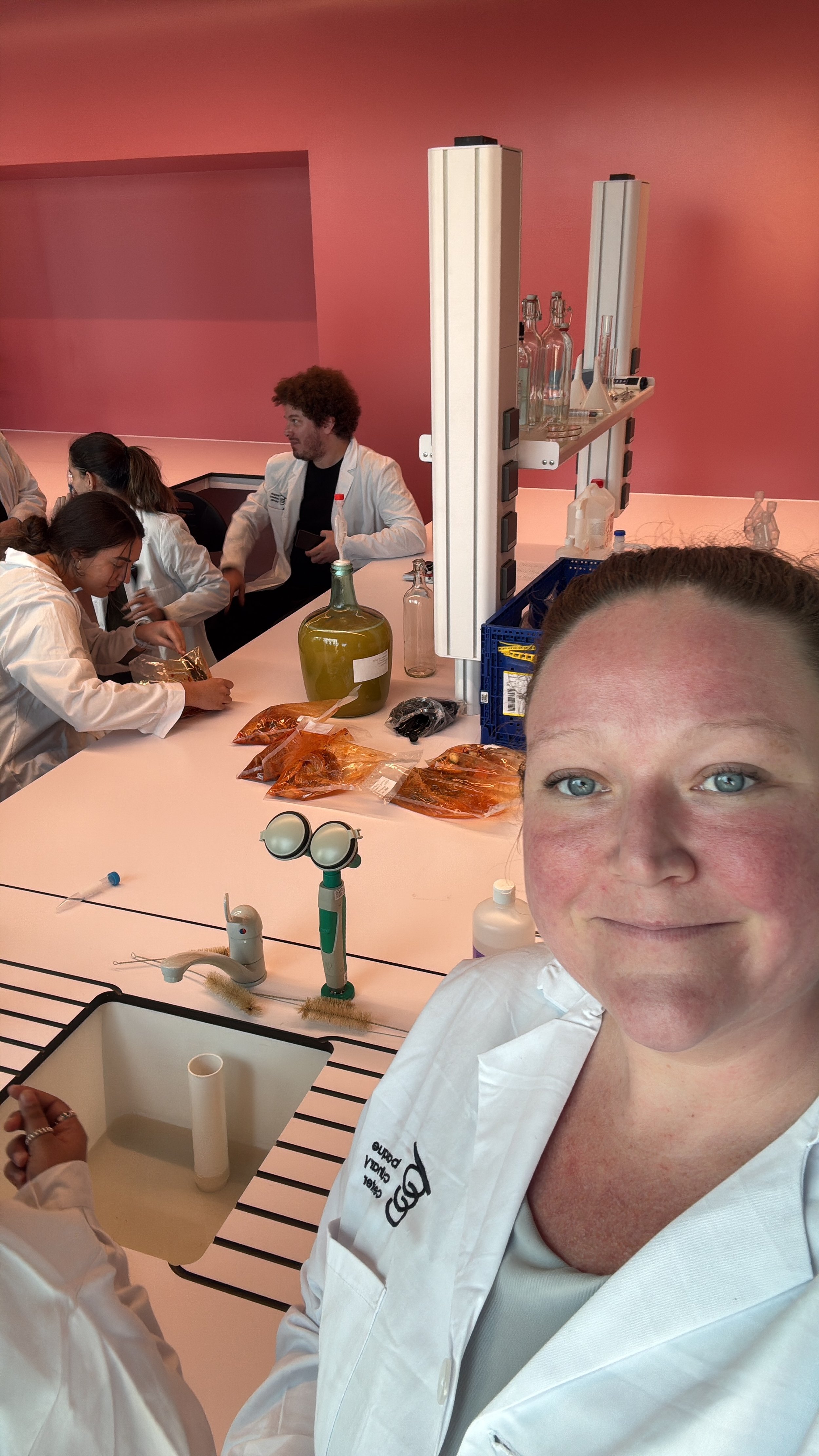
GOe, which opened in October 2025 in the Gros neighborhood, embodies a philosophy that gastronomy isn't just cooking but a comprehensive system connecting health, sustainability, culture, science, and entrepreneurship. While the main Basque Culinary Center campus in Miramón offers undergraduate degrees in Gastronomy and Culinary Arts, GOe focuses on advanced training, research, and innovation.
The Science of Delicious: How GOe Tech Center is Shaping What We Eat Tomorrow
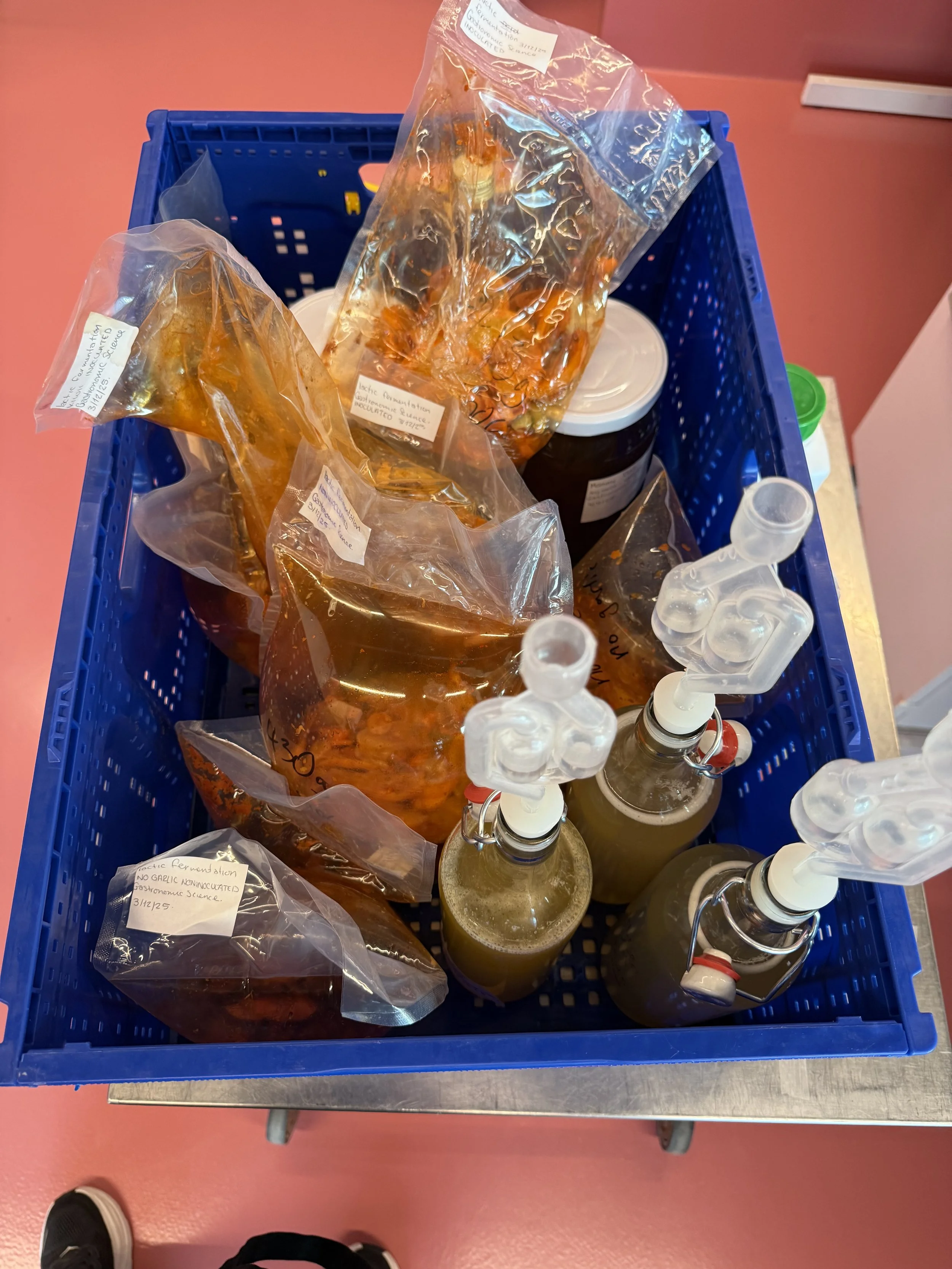
Behind the copper-toned façade of GOe in San Sebastián, a quiet revolution is underway. In laboratories filled with fermentation vessels, sensory analysis booths, and experimental kitchens, researchers are asking fundamental questions about the future of food: How can we make alternative proteins taste better? What role do microorganisms play in creating functional foods? How do we design eating experiences that support both health and sustainability?
This is the work of GOe Tech Center, the research and innovation heart of the Gastronomy Open Ecosystem. Opened in October 2025 as part of the Basque Culinary Center's expansion, the Tech Center represents a distinctive approach to food science: one that refuses to separate sensory pleasure from nutritional value, or culinary tradition from cutting-edge biotechnology.