Learning at the Edge of Innovation: A Student's Guide to GOe and Basque Culinary Center
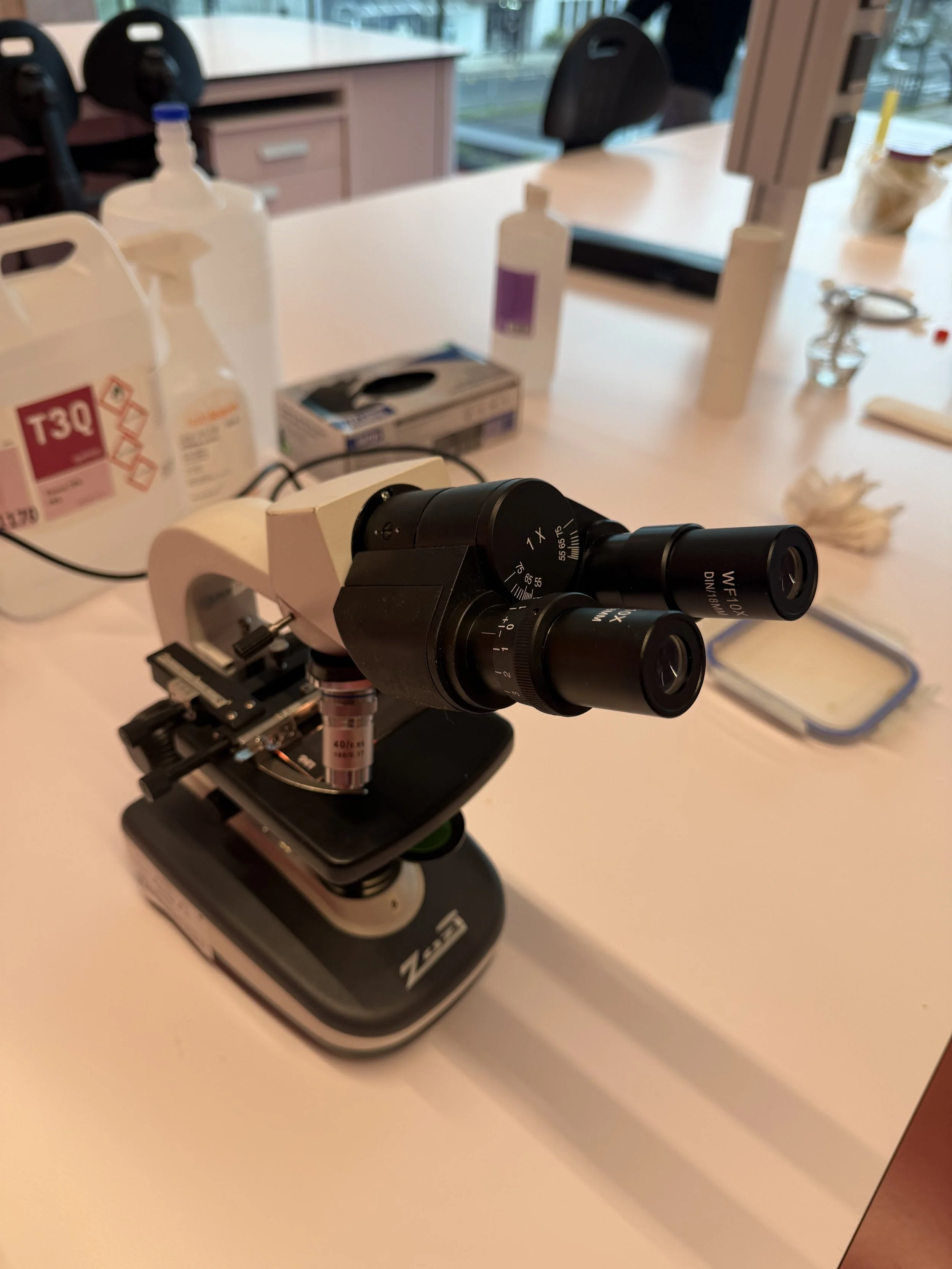
Moving to San Sebastián to study Gastronomic Sciences means immersing yourself in one of the world's most dynamic food ecosystems. At the center of that ecosystem stands the Basque Culinary Center, and its newest facility, GOe, represents the cutting edge of where gastronomy education is heading. Understanding what happens at GOe isn't just about knowing another institution; it's about grasping where your field is going and how you can position yourself to be part of shaping it.
What Makes GOe Different from Traditional Culinary Education
GOe, which opened in October 2025 in the Gros neighborhood, embodies a philosophy that gastronomy isn't just cooking but a comprehensive system connecting health, sustainability, culture, science, and entrepreneurship. While the main Basque Culinary Center campus in Miramón offers undergraduate degrees in Gastronomy and Culinary Arts, GOe focuses on advanced training, research, and innovation.
The 9,090-square-meter facility designed by Bjarke Ingels Group houses master's programs, research laboratories, startup incubators, and collaborative spaces where students, researchers, chefs, and entrepreneurs work side by side. This integration is intentional. Learning happens not just in classrooms but through encounters: watching a startup pitch, observing a chef develop a new fermentation technique, participating in sensory research.
GOe hosts several specialized master's programs that represent the future directions of gastronomy. Understanding these programs helps you see the breadth of career paths available in gastronomic sciences.
The Master's in Food Design combines strategic design, applied creativity, and project management to transform how we interact with food. This isn't about plating aesthetics; it's about designing entire food systems, from product development to consumer experiences. Students work in advanced facilities fostering experimentation and interdisciplinary collaboration.
The Master's Degree in Food Fermentation is particularly groundbreaking as the world's first to approach fermentation from a gastronomic sciences perspective. The program merges microbiology, food science, culinary arts, and cultural anthropology. You study the biochemistry of fermentation, then apply that knowledge in culinary workshops and visits to leading fermentation companies. The teaching team includes researchers, chefs, and food biotechnology scientists. Graduates are prepared for roles as fermented product developers, food biotechnology consultants, and quality researchers.
The Master's in Gastronomic Sciences (also offered at the main campus) and specialized programs in Sensory Analysis and Consumer Science round out the offerings. Each program emphasizes learning by doing, with extended internship periods in leading companies, laboratories, and technology centers.
The physical infrastructure at GOe directly supports experiential education. The building includes professional kitchens with coral-red industrial equipment, research laboratories designed for food science, sensory analysis booths for consumer testing, and flexible classrooms that can be reconfigured for different purposes.
The food fermentation program, for example, gives students access to specialized equipment for microbiology, enzymology, and biotechnology. You learn instrumental and sensory analysis techniques, culinary processes, and statistical methods for analyzing experimental results. The facilities support the hands-on methodology central to Basque Culinary Center's philosophy.
The building's design enhances learning in unexpected ways. The central grand staircase creates chance encounters between people working on different projects. The glass-walled laboratories and kitchens make research visible, demystifying the process of innovation. The rooftop terraces and public restaurant integrate students into the broader food community of San Sebastián rather than isolating them in an academic bubble.
Every master's program at GOe includes substantial practical components. The Master's in Food Fermentation, for instance, dedicates the entire second year to a thesis project developed in leading companies, laboratories, or technology centers, nationally or internationally. This means you're not just studying fermentation; you're solving real problems for industry partners, building professional networks, and contributing to publishable research.
The Basque Culinary Center's connections to the gastronomy sector, catering industry, and food companies create internship opportunities that span from Michelin-starred restaurants to food technology startups. Students in the undergraduate program complete work experience in each of the four years, and the master's programs extend this with even more specialized placements.
Internship topics reflect the breadth of gastronomic sciences: management of school lunchrooms transitioning toward healthier models, implementation of marketing plans for urban wineries, creation of healthier gluten-free baking products, extraction and utilization of fiber from food waste, sensory perception studies, anthropological research on ancestral cooking techniques. This diversity means you can find placements aligned with your specific interests within gastronomy.
The Startup Ecosystem: Learning Through Entrepreneurship

One of GOe's most distinctive features is the integration of startup culture into the learning environment. Culinary Action!, the entrepreneurship arm of Basque Culinary Center, operates from GOe and has accelerated nearly 100 food startups.
The LABe Digital Gastronomy Lab within GOe provides 1,400 square meters of coworking space, prototyping kitchens, and a real restaurant where startups can test innovations with actual consumers. As a student, you're surrounded by entrepreneurs tackling challenges in food technology, sustainability, and culinary innovation. Many students participate in startup competitions, accelerator programs, or even launch their own ventures.
The Global Foodtech Accelerator program, run in partnership with Impact Hub, brings startups from across Europe to San Sebastián for intensive acceleration focused on areas like health, digitalization, sustainability, and sensoriality. Winners receive residencies at LABe, access to the GOe Community digital platform, and connections to investors and mentors.
Studying at GOe connects you to a global network. The Basque Culinary Center has attracted over 4,360 students from more than 35 countries since opening in 2011. The International Advisory Board includes some of the world's most influential chefs: Joan Roca, Gastón Acurio, Yoshihiro Narisawa, Manu Buffara, Pía León, Michel Bras, and others.
GOe has launched a Global Network with its first international hub, GIC Tokyo, opening in 2024. This network creates opportunities for student exchanges, international research collaborations, and exposure to food cultures beyond the Basque Country. Programs like GOe On the Road bring the ecosystem to cities like Cambridge, London, and beyond, connecting students and startups with global investors and industry leaders.
Understanding GOe helps you see the career landscape for gastronomic sciences graduates. Yes, many graduates open restaurants…over 50 Basque Culinary Center alumni have opened businesses in the Basque Country, some already earning Michelin recognition. But the ecosystem supports diverse paths.
Graduates work as:
Food product developers for major companies
Sensory scientists and consumer researchers
Food biotechnology consultants
Sustainability coordinators for restaurant groups
Food system policy analysts
Culinary innovation managers
Startup founders addressing food challenges
Researchers in fermentation, nutrition, or food anthropology
The interdisciplinary nature of the education prepares you to translate between domains: explaining scientific concepts to chefs, communicating culinary insights to engineers, bridging tradition and innovation.
GOe's location in the urban Gros neighborhood and its commitment to public accessibility mean learning happens in dialogue with community. The building hosts events open to citizens, restaurants welcome public diners, and the plaza connects to the Camino de Santiago pilgrimage route.
As a student, this public dimension matters. It grounds your studies in real-world contexts and reminds you that gastronomy serves people, not just industry or academia. The Basque Culinary World Prize, a 100,000-euro award celebrating chefs who use food for social impact, embodies this commitment. Past winners include José Andrés for humanitarian work and Leonor Espinosa for work with indigenous communities.
If you're pursuing an internship or connection to GOe, several strategies help:
Demonstrate interdisciplinary thinking: GOe values people who bridge domains. Show how your interests connect culinary arts with science, sustainability, health, or entrepreneurship.
Engage with current research: Follow GOe Tech Center projects on alternative proteins, fermentation, sensory innovation. Reference specific research in applications or conversations.
Participate in the ecosystem: Attend GOe events, workshops, and competitions. The Future Gastronomy Startup Competition and GOe On the Road events offer entry points.
Highlight systems thinking: GOe approaches food as part of larger systems of health, environment, culture, and justice. Demonstrate your understanding of these connections.
Showcase communication skills: The ability to translate between technical and general audiences matters in a space where chefs, scientists, entrepreneurs, and policymakers collaborate.
GOe represents where gastronomic education is heading: more collaborative, more interdisciplinary, more entrepreneurial, more connected to global networks, and more committed to using food as a tool for addressing major challenges. Understanding this ecosystem isn't just about gaining access to one institution; it's about seeing your place in the future of food.
