Designing Delicious: Why Sensory Science Is the Most Underrated Food Technology
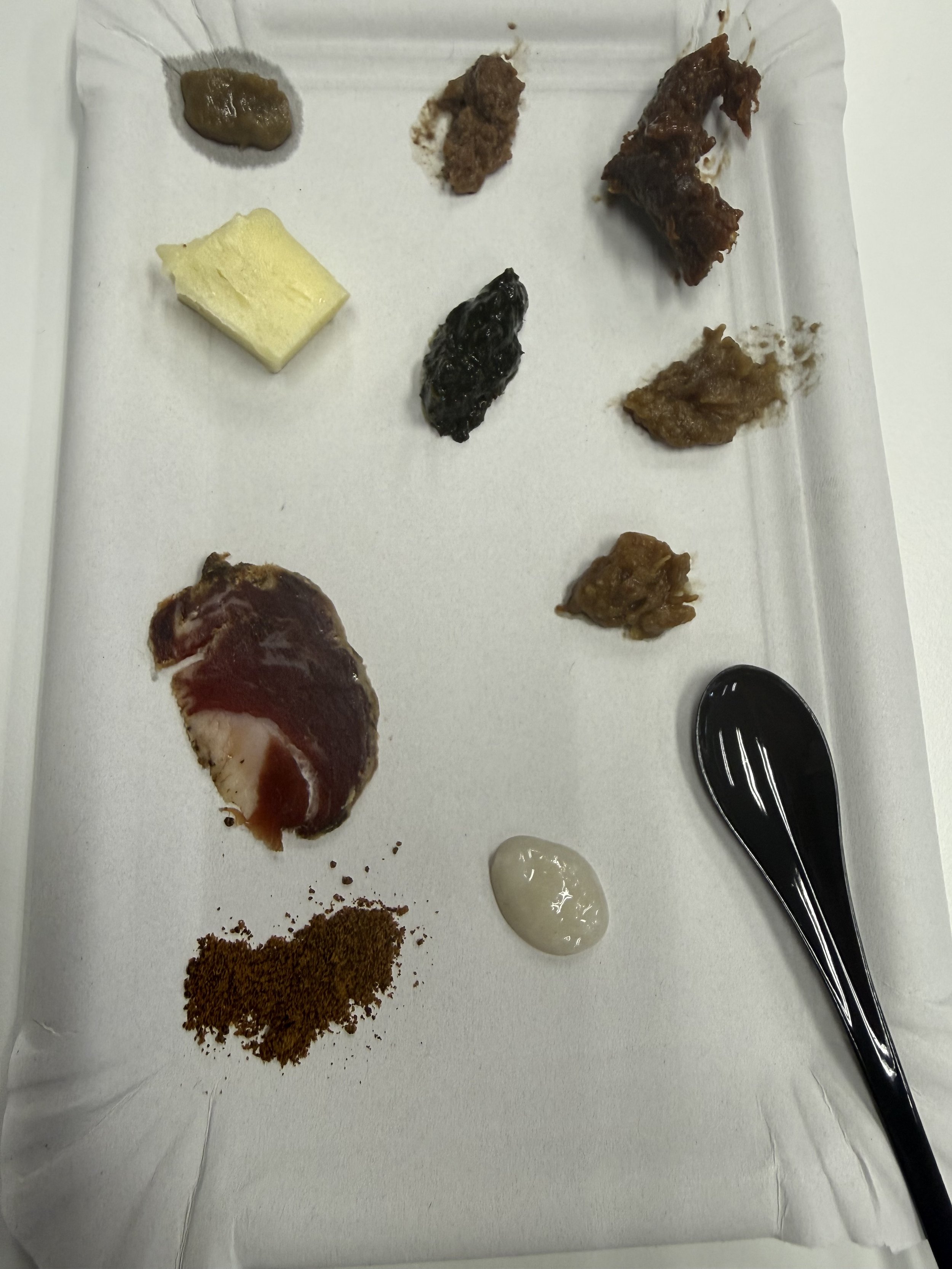
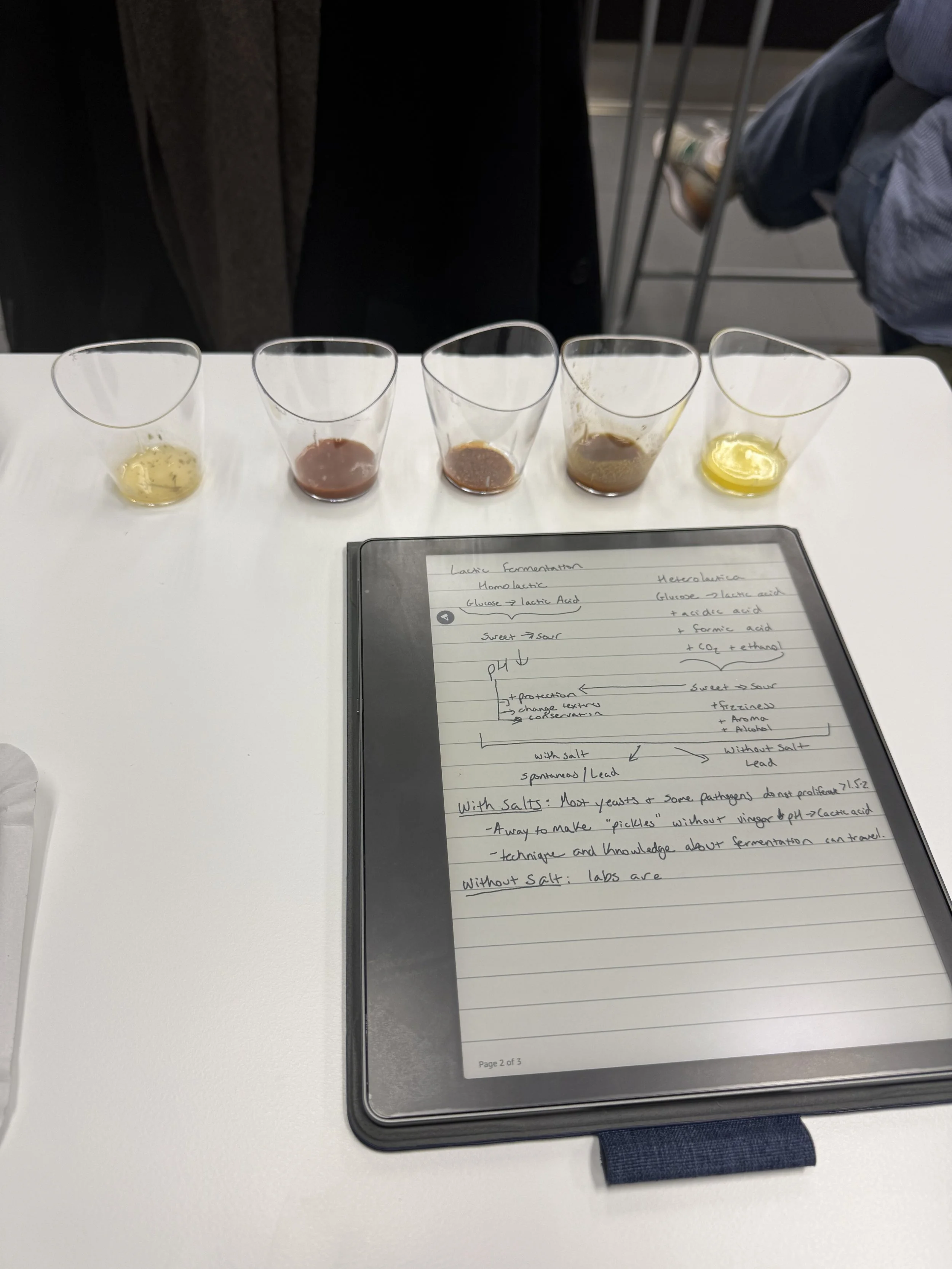
Food innovation is having a moment. New ingredients. New processes. New “future foods.” New tech. New everything.
But here’s the quiet truth no one likes to admit: if it doesn’t taste good, it doesn’t matter.
That’s why sensory science, the rigorous study of how humans perceive flavor, aroma, texture, and overall eating experience, might be the most important “technology” in gastronomy right now.
And it’s one of the reasons I’m so drawn to what’s happening at GOe Tech Center.
“Delicious” isn’t vague—it’s measurable (if you do it right)
GOe Tech Center is a gastronomy-focused technology center with a mission to contribute to a more delicious future, while collaborating with institutions and companies to support food that is flavorful, healthy, and sustainable. GOe
That word—delicious—can sound subjective. But sensory work is how we stop guessing and start learning.
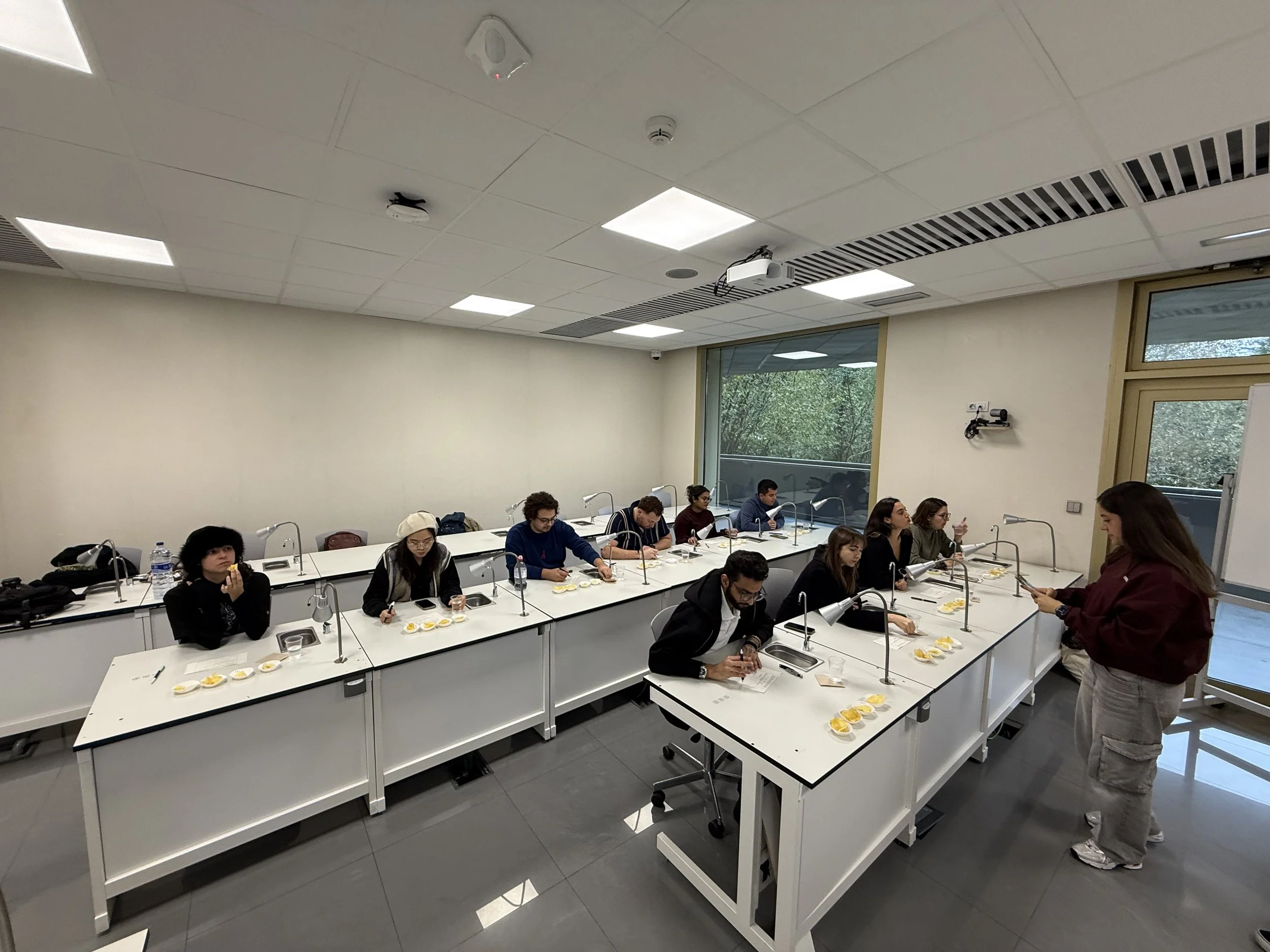
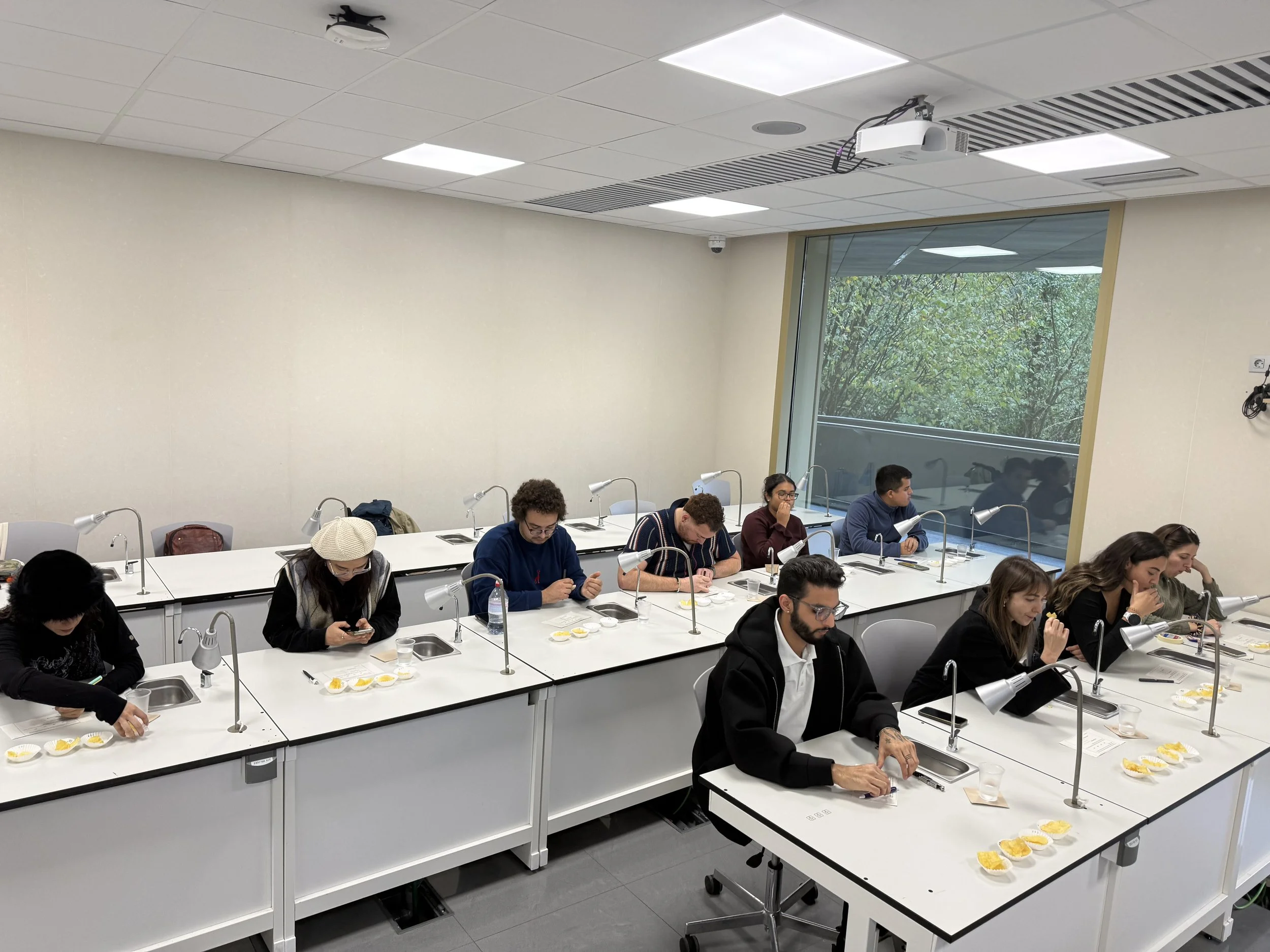
At GOe, the facilities reflect this commitment. GOe includes a dedicated sensory analysis room, designed specifically to explore taste perception in depth, alongside kitchens and laboratories. Mondragon Unibertsitatea
The message is clear: sensory isn’t an afterthought. It’s part of the system.
Why sensory science is the bridge between the lab and real life
A lot of innovation fails for a simple reason: teams build products based on what they like, not what the target audience actually experiences.
Sensory work helps answer questions like:
Do people perceive this as “fresh” or “fermented” (and is that good here)?
Is bitterness reading as “complex” or “harsh”?
Is the aroma intensity aligned with what the name/packaging promises?
Does texture match the eating context (snack vs. plated vs. beverage)?
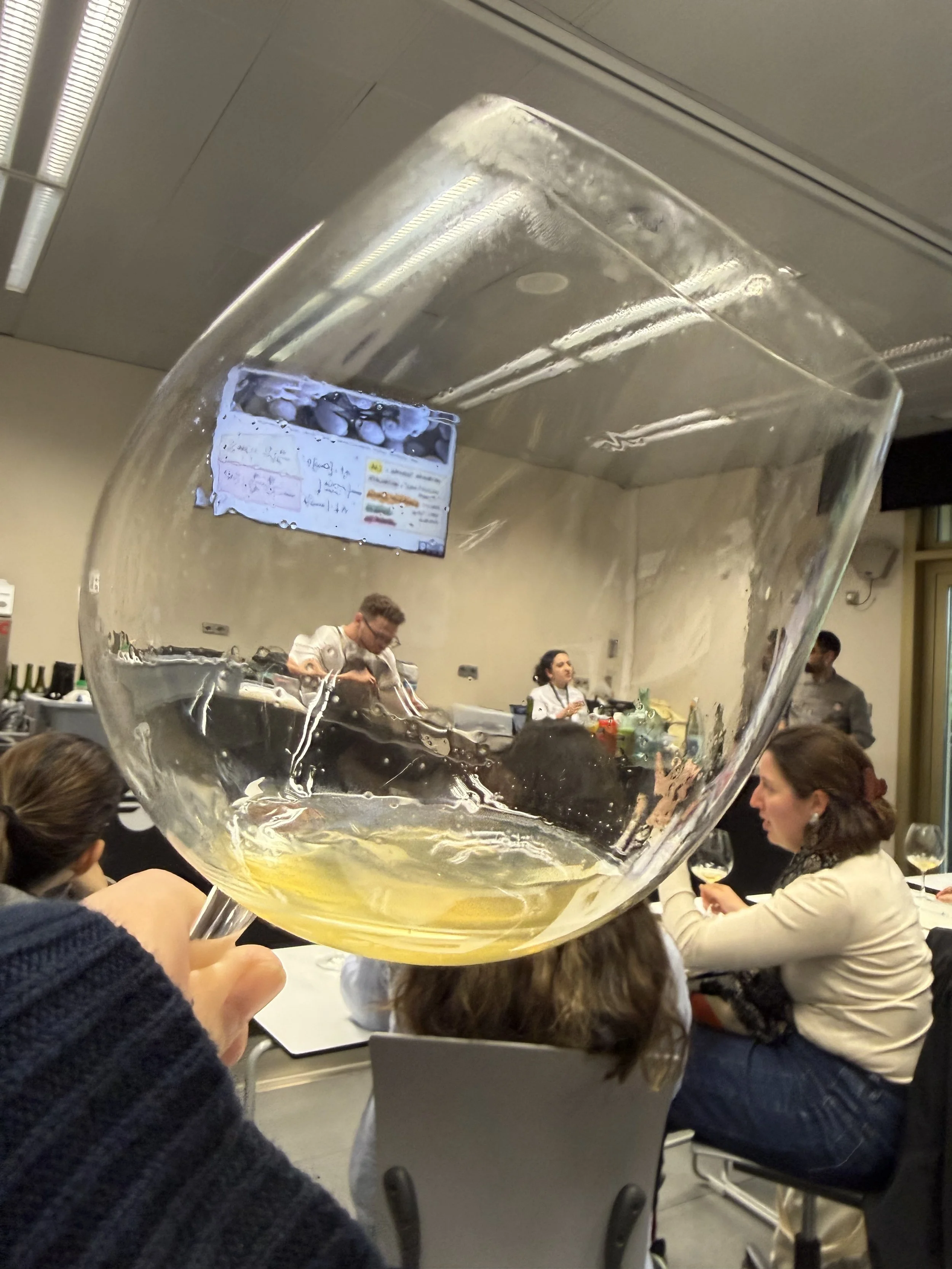
How does the environment change perception (lighting, sound, company, pacing)?
This matters whether you’re developing:
A new fermented beverage with functional claims
A novel ingredient from biomass
A low-salt product that still tastes satisfying
A plant-based formulation that needs better mouthfeel
Innovation becomes real when the experience becomes real.
Why chef panels are a power move (when structured well)
One of the projects featured by GOe’s sensory analysis area is the development of a methodological framework for sensory evaluation with chef panels—a sign that GOe is taking culinary expertise seriously while still applying scientific discipline. GOe
This is fascinating because chefs notice things that standard consumer panels often don’t:
Balance
finish/aftertaste
layering and “story” of flavor
whether a product is flexible across applications
how preparation or temperature changes the experience
But chef panels only become truly useful when they’re structured (calibrated language, consistent evaluation conditions, aligned scoring). A framework matters because it keeps creativity from turning into chaos.
Sensory science isn’t just about tasting, it’s about decisions
In product development, you’re constantly deciding:
what to change
what to keep
what to scale
what to drop
Sensory science turns those decisions into something you can defend.
It also protects you from “innovation theatre.” You can have the most exciting process in the world -fermentation, bioreactors, new tech- but if your sensory data says consumers don’t like it, you either pivot or you re-design.
That’s not failure. That’s feedback.
What I’m learning (and what I’m practicing)
On Mel In Motion, I’m documenting how I’m learning to think like a sensory professional, not just “someone with opinions.”
A few principles I keep coming back to:
Define the goal before you taste.
Are we optimizing for refreshment? comfort? novelty? intensity? cultural familiarity?Build a shared language.
“Funky” means nothing unless you define it.Respect context.
A great flavor in a lab cup may fail in a real meal.Use sensory to collaborate, not to argue.
Data is a conversation starter, not a weapon.
The bigger picture: why GOe’s sensory focus matters
GOe isn’t just building new products. It’s building a future where gastronomy can be both creative and rigorous—where “delicious” is pursued with discipline, not just intuition.
That’s exactly the kind of environment I want to be in. Because sensory science doesn’t kill creativity.
It makes creativity repeatable.
And repeatability is what turns ideas into impact.
If it doesn’t taste good, it doesn’t matter. Sensory science might be the most underrated “technology” in food innovation. And GOe is treating it like a core pillar, not an afterthought. Here’s what I’m learning about sensory evaluation, chef panels, and why “delicious” can (and should) be designed with intention.
#SensoryScience #GOe #FoodTech #ProductDevelopment #Flavor #ConsumerScience