Fermentation Is Technology: How GOe Turns Microbes Into Flavor, Sustainability, and New Possibilities
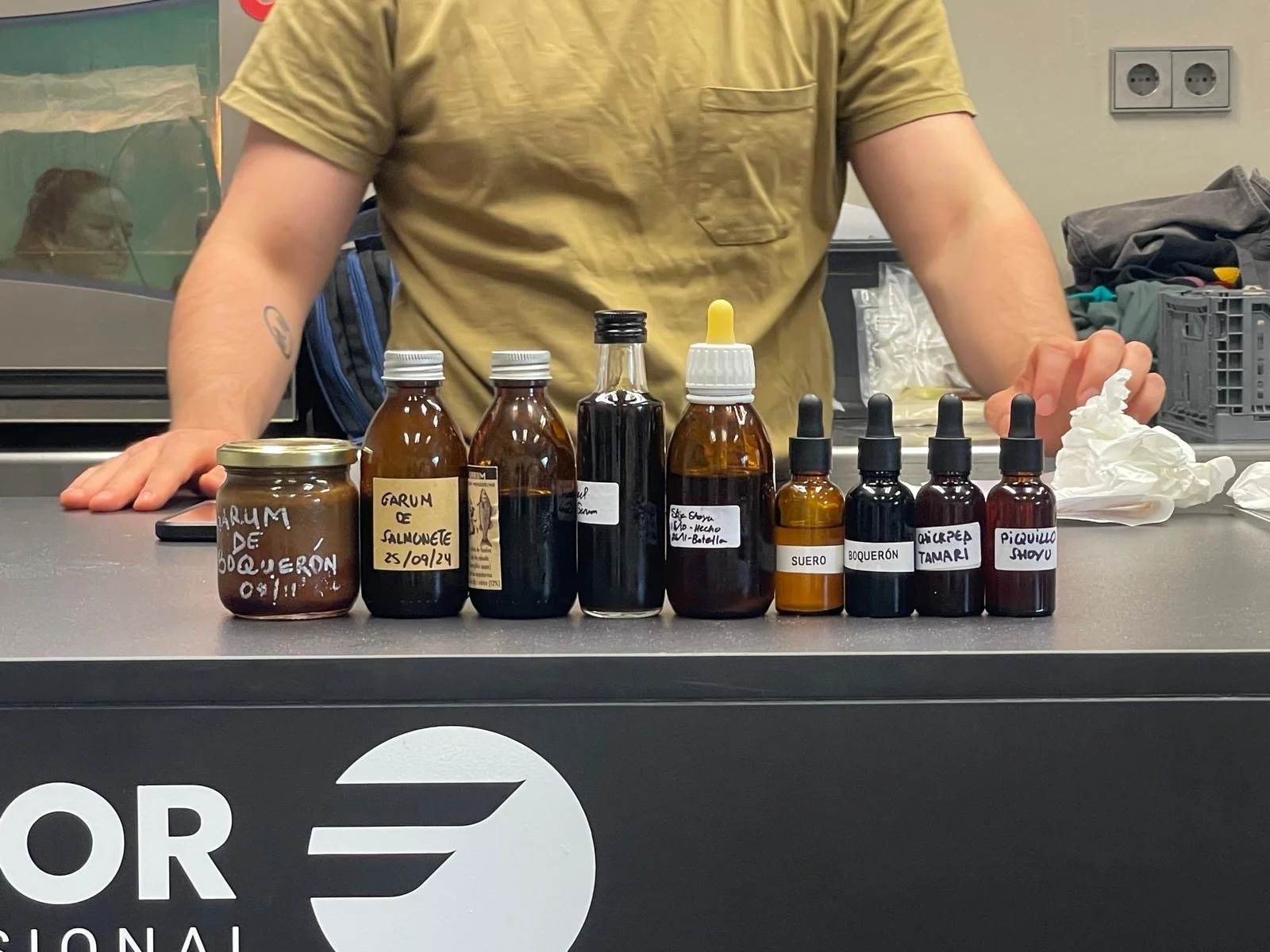
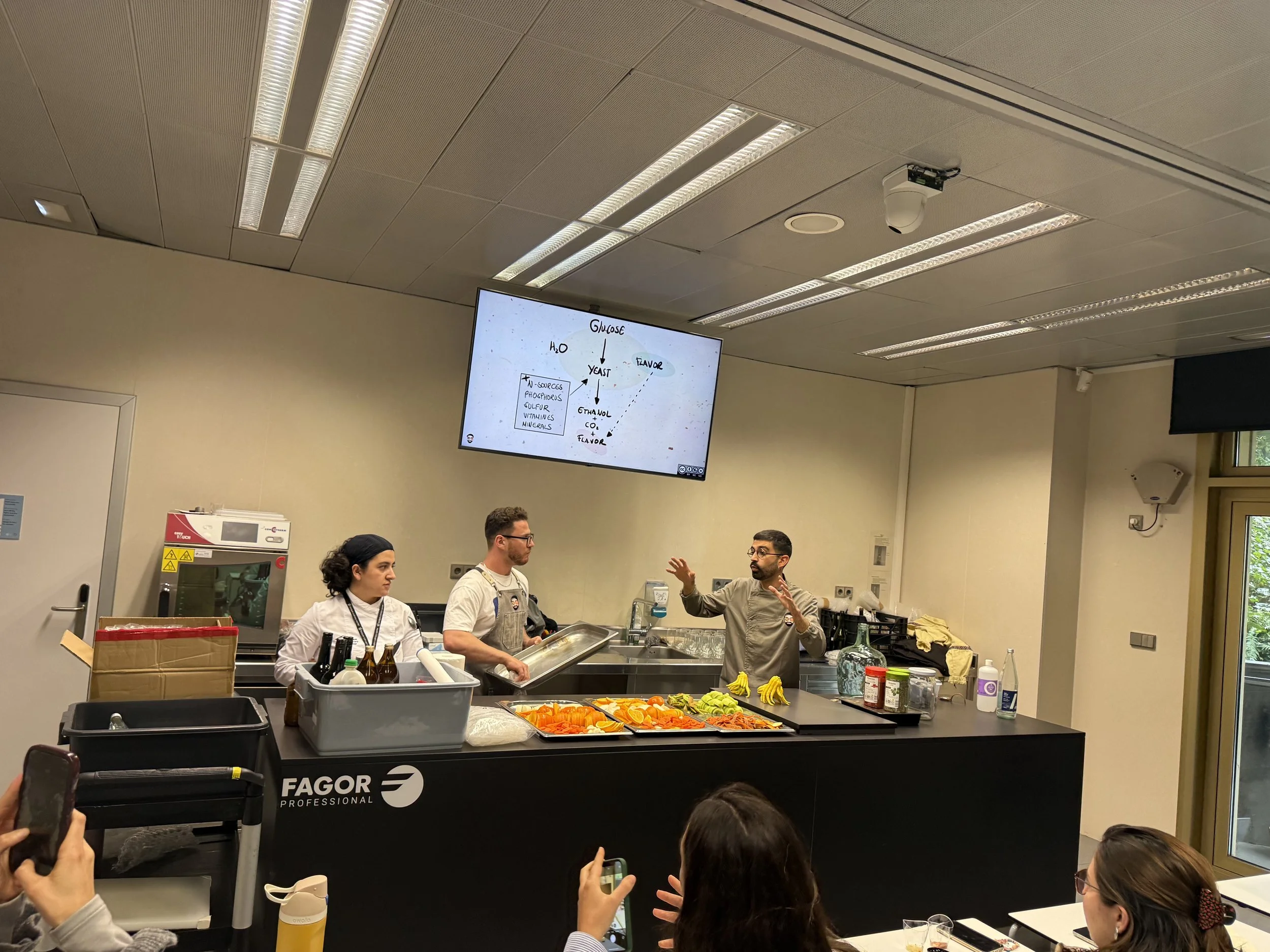
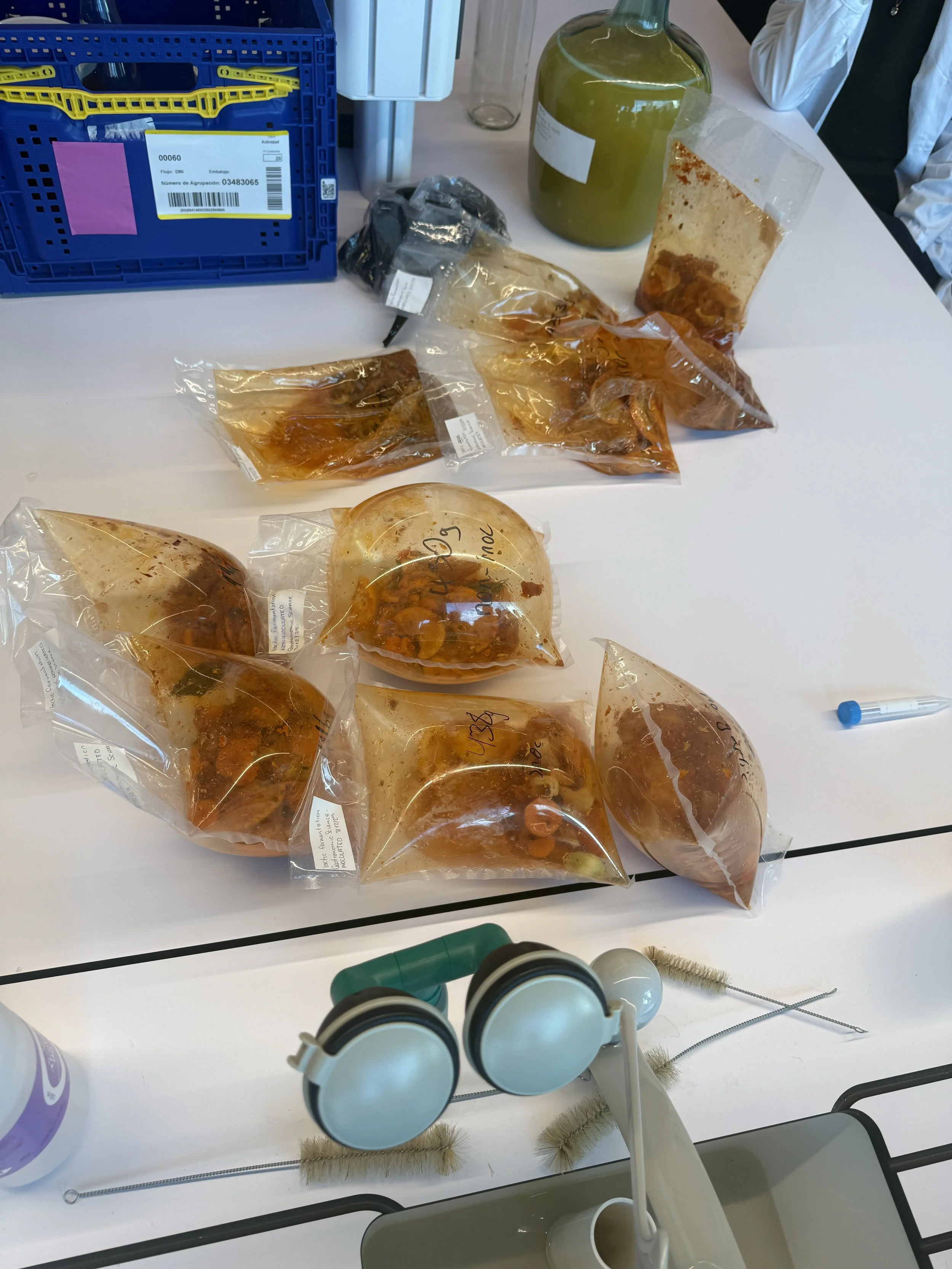
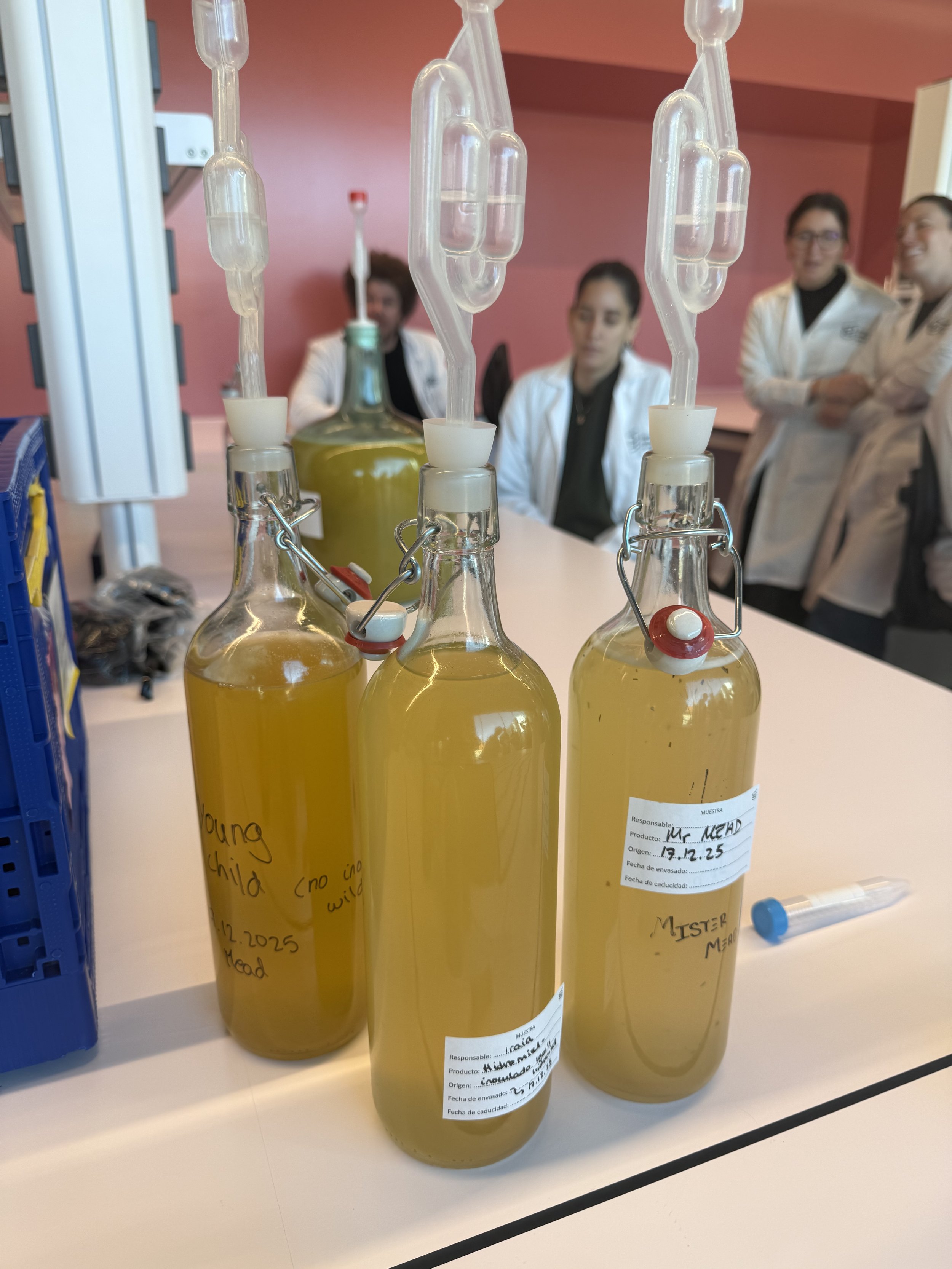
Fermentation is having a glow-up.
It’s on menus. It’s on shelves. It’s in podcasts. It’s in wellness spaces. It’s everywhere.
But fermentation isn’t a trend.
Fermentation is technology.
And GOe Tech Center is one of the most exciting places I’ve seen treating it that way—linking microorganisms, culinary innovation, and real-world impact inside a facility designed for cross-disciplinary work. GOe+1
What I mean when I say “technology”
Technology is a system for transformation.
Fire is technology. Refrigeration is technology. Milling is technology. Pasteurization is technology.
Fermentation is technology because it transforms raw materials into something new, often improving:
flavor complexity
shelf life
nutritional value / digestibility
and, sometimes, sustainability (by using what would otherwise be waste)
That’s why fermentation keeps showing up in conversations about the future of food: it can be both ancient and cutting-edge at the same time.
Why GOe is a perfect home for fermentation innovation
GOe Tech Center’s stated mission is to contribute to a “more delicious future” by using gastronomy as a catalyst for positive change, working with institutions and companies to promote flavorful, healthy, sustainable food.
Fermentation fits that mission beautifully because it sits at the intersection of:
culinary creativity (what could this taste like?)
microbiology (what organisms, conditions, and safety parameters?)
process engineering (how do we scale it?)
sensory science (do people actually enjoy it?)
sustainability (what inputs, what waste streams, what energy use?)
And GOe’s facilities are built for exactly that kind of intersection: kitchens, labs, and a sensory space in one ecosystem.
The “new flavors” story: microbes as creative partners
One of the most exciting mental shifts is to stop thinking of microorganisms as invisible background characters and start thinking of them as collaborators.
Microbes metabolize sugars, proteins, and fats into acids, alcohols, esters, amino acids—compounds that create aroma and flavor. That’s why fermentation can unlock profiles you simply can’t get with heat or seasoning alone.
This isn’t theoretical. It’s already becoming a creative tool across gastronomy. In fact, programming around GOe has explicitly highlighted fermentation as a driver of product and dish design with high sensory and nutritional value. San Sebastian Gastronomika
Fermentation is also a sustainability strategy (when done thoughtfully)
The sustainability conversation in food can get overwhelming, carbon footprints, land use, packaging, distribution, loss/waste.
Fermentation won’t solve everything. But it can create leverage in a few powerful ways:
1) Upcycling and valorization
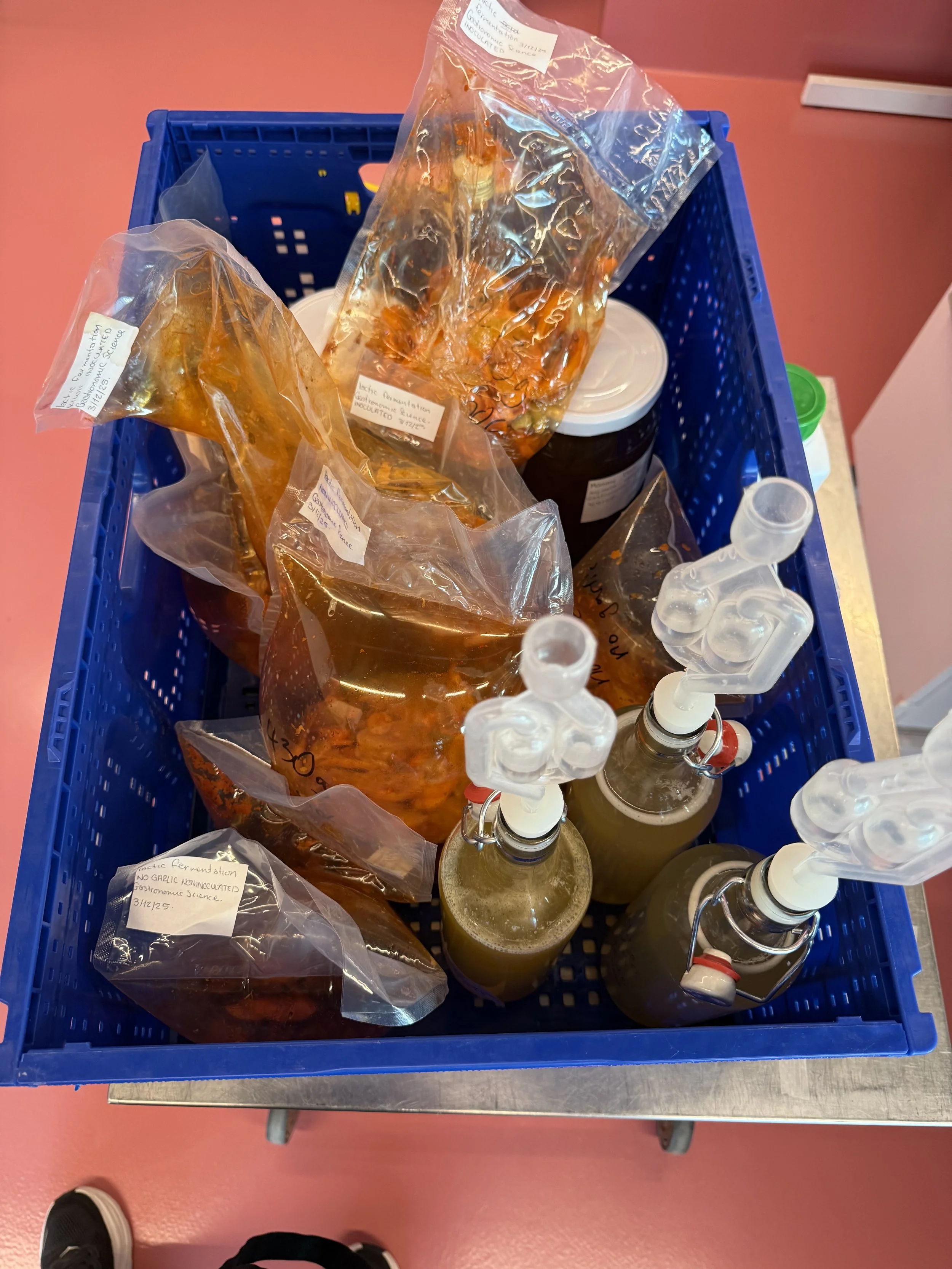
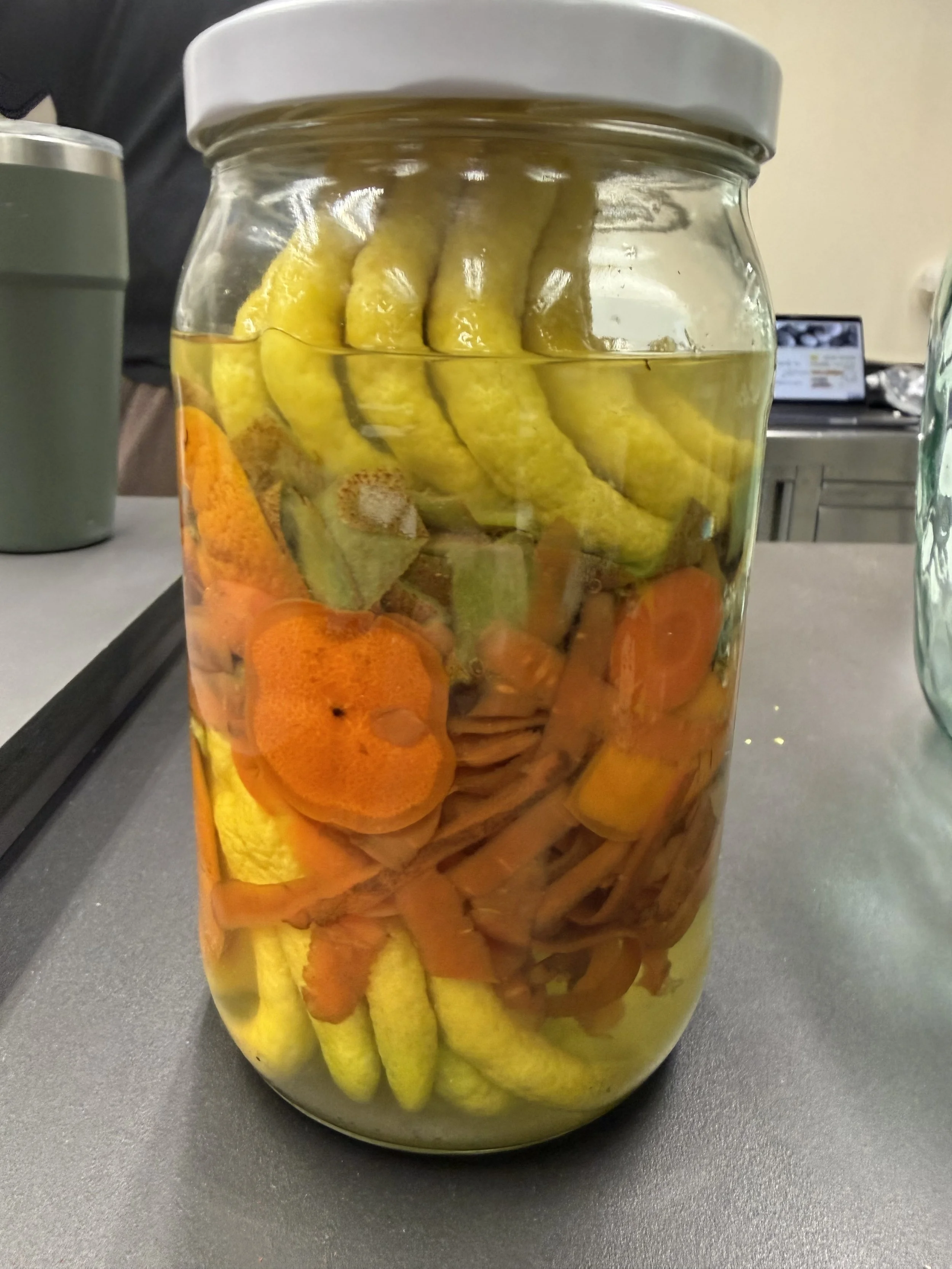
Fermentation can help turn by-products into something valuable: flavoring agents, beverages, condiments, protein substrates, etc.
2) Preservation with less waste
Fermentation extends shelf life and can create products that tolerate imperfect logistics.
3) Health-forward reformulation
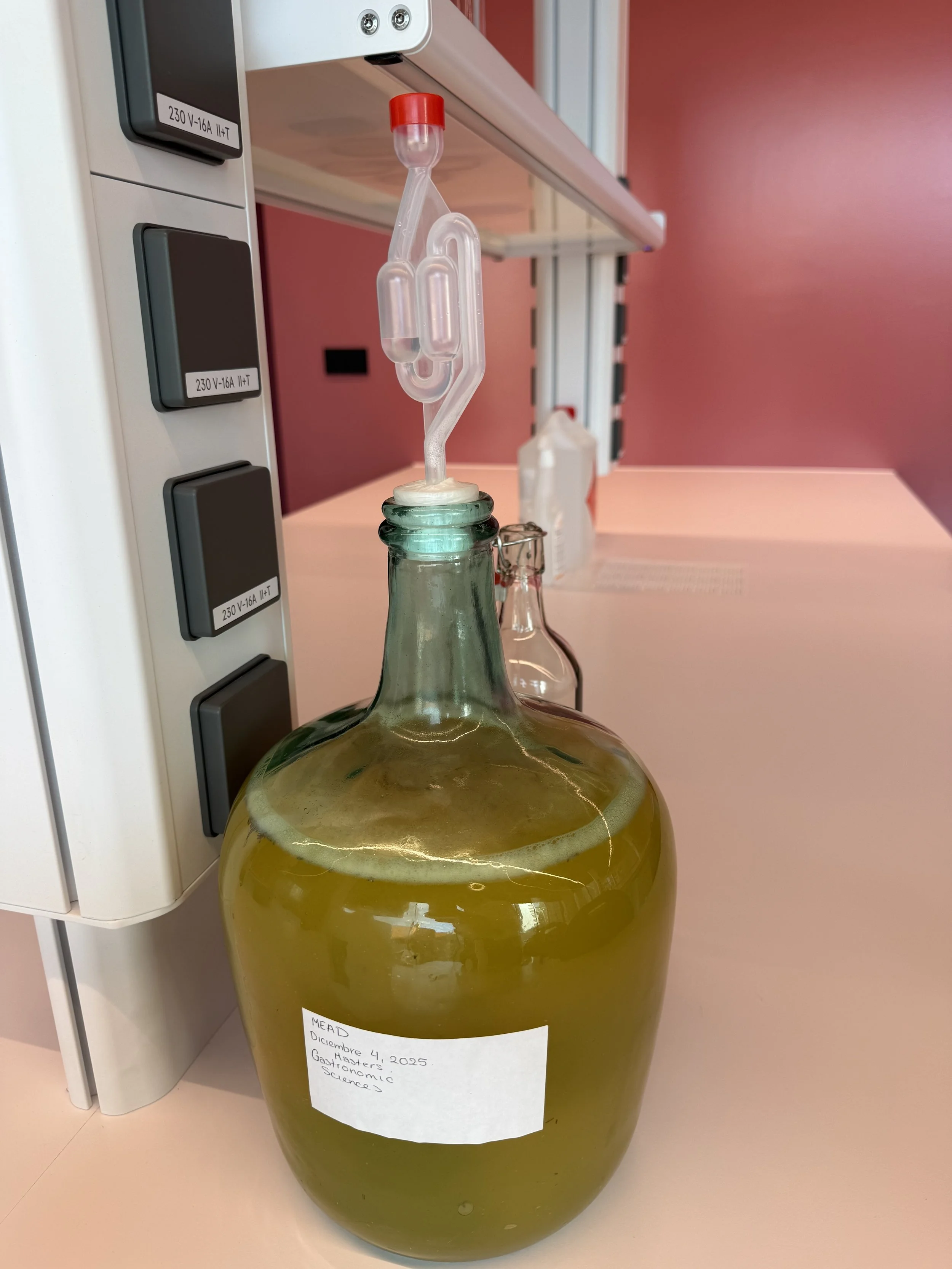
Fermentation can support lower-alcohol beverages, improved digestibility, or new functional formats, when paired with real scientific rigor.
This is why fermentation belongs in an innovation center that’s explicitly aiming for “delicious, healthy, and sustainable.”
A personal note: what I’m learning right now
As I build my foundation in microorganisms and fermentation, I keep coming back to one theme:
A ferment is a “closed world” that you design.
You set the conditions (substrate, time, temperature, oxygen, salt, pH).
And then life does what life does—within your parameters.
That’s why I love the GOe model. The building itself is a designed environment for transformation: research and learning in motion, across disciplines. Read more about GOe here.
Where sensory perception meets fermentation
This is the part I’m most interested in: fermentation can create extraordinary complexity—but complexity isn’t automatically “good.”
Sometimes fermentation reads as:
sour when you need bright
funky when you need clean
sharp when you need round
unfamiliar when you need comfort
The difference between “wow” and “no thanks” is often sensory calibration, language, and iteration. That’s why GOe’s emphasis on sensory analysis as part of the ecosystem matters so much.
Why I’m writing this on Mel In Motion
Mel In Motion is where I connect the dots between people, ideas, and systems that move.
Fermentation is movement. Flavor is movement. Innovation is movement.
And GOe is a place built to make that movement productive: turning knowledge into prototypes, prototypes into projects, and projects into community impact.
If you’re watching the future of food, don’t just watch the hype. Watch the systems. GOe is one of the systems worth watching.
Fermentation isn’t a trend, it’s a technology. GOe is building an ecosystem where microorganisms, labs, kitchens, and sensory science come together to design food that’s delicious, healthy, and sustainable. Here’s my take on why fermentation belongs at the center of the future-of-food conversation.
#Fermentation #GOe #FoodInnovation #Microbiology #FoodTech #Sustainability #Flavor