A collection of guides, reflections, and resources on Gastronomy and Life in Spain.

Honest Flavor. How This UK Startup Is Banking on Transparency in the MSG Wars
Discover how Honest Umami is disrupting the food industry by marketing MSG honestly instead of hiding it behind "natural flavoring" euphemisms. A case study in transparency.
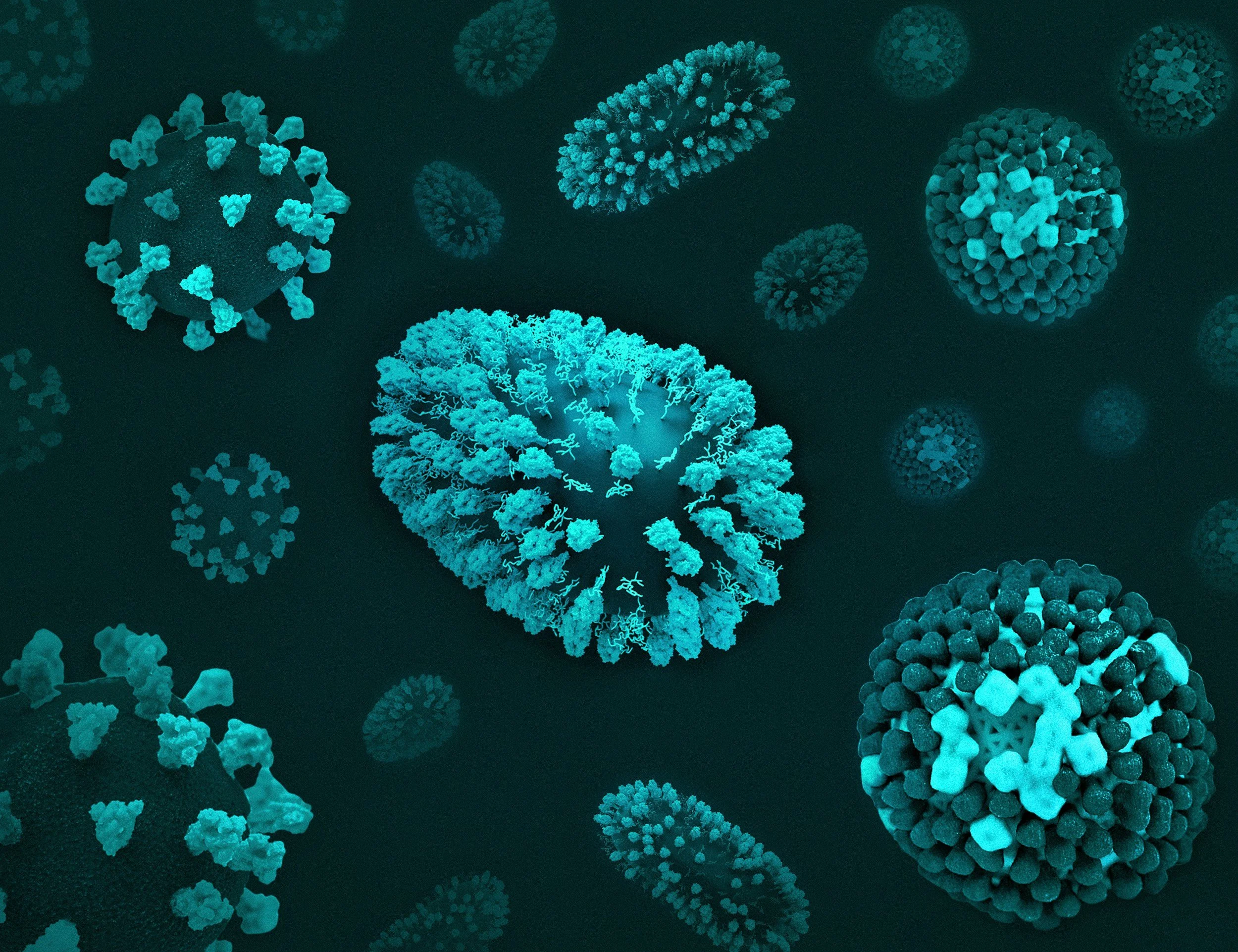
The Microbiology of Safe Fermentation: How to Harness Good Microbes and Avoid Hidden Risks
Fermentation is often seen as an ancient, “natural” way to preserve food, but that does not mean every ferment is automatically safe. Safe fermentation is applied microbiology: beneficial bacteria and yeasts must be given the right conditions to dominate, while pathogens are pushed out of their comfort zone. This article explains why properly made fermented foods are usually safer than the raw ingredients, and how regulatory concepts like GRAS and QPS define which microbes are considered safe for use in food. It compares wild ferments (like sourdough, kombucha, kefir, and kimchi) with defined starter cultures so you understand the trade-offs between flavor, tradition, and safety. You will learn the three big control levers, pH, salt and water activity, and temperature, and how they work together to keep Salmonella, Listeria, Clostridium botulinum, and other hazards in check. Finally, you get a practical checklist for safe home fermentation and clear advice for people who need to be extra cautious, including pregnant, immunocompromised, or histamine-sensitive readers.
From Laboratory to Table: How GOe is Building a More Just and Sustainable Food Future
In a world facing climate crisis, food insecurity, and growing health disparities, gastronomy might seem like a luxury concern. But at GOe, the Gastronomy Open Ecosystem in San Sebastián, food is understood as a powerful lever for social change and the foundation of a more equitable future. The question isn't whether food matters for justice and sustainability; it's how we harness culinary knowledge, scientific innovation, and community engagement to create systems that nourish everyone.
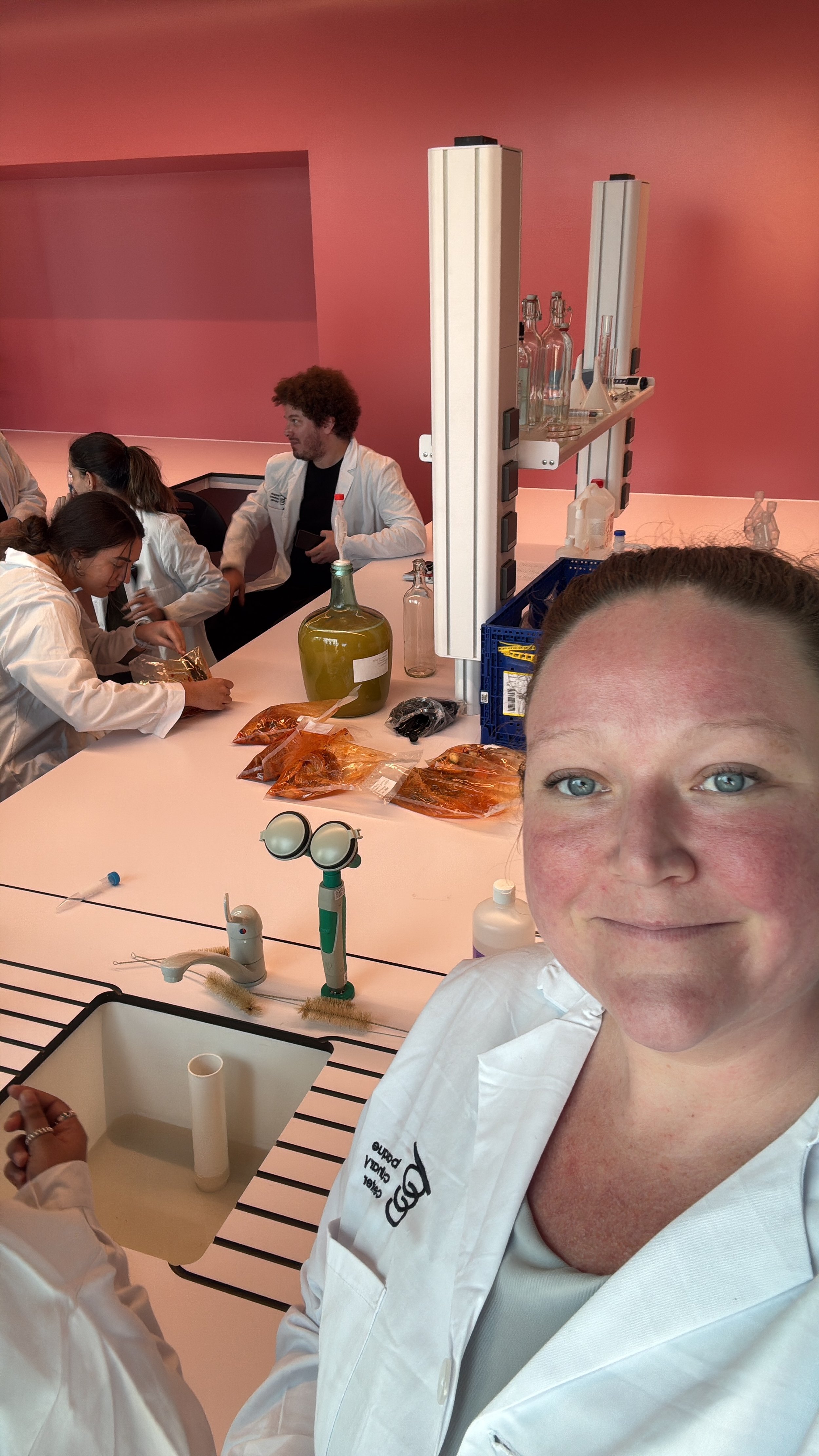
Learning at the Edge of Innovation: A Student's Guide to GOe and Basque Culinary Center
GOe, which opened in October 2025 in the Gros neighborhood, embodies a philosophy that gastronomy isn't just cooking but a comprehensive system connecting health, sustainability, culture, science, and entrepreneurship. While the main Basque Culinary Center campus in Miramón offers undergraduate degrees in Gastronomy and Culinary Arts, GOe focuses on advanced training, research, and innovation.
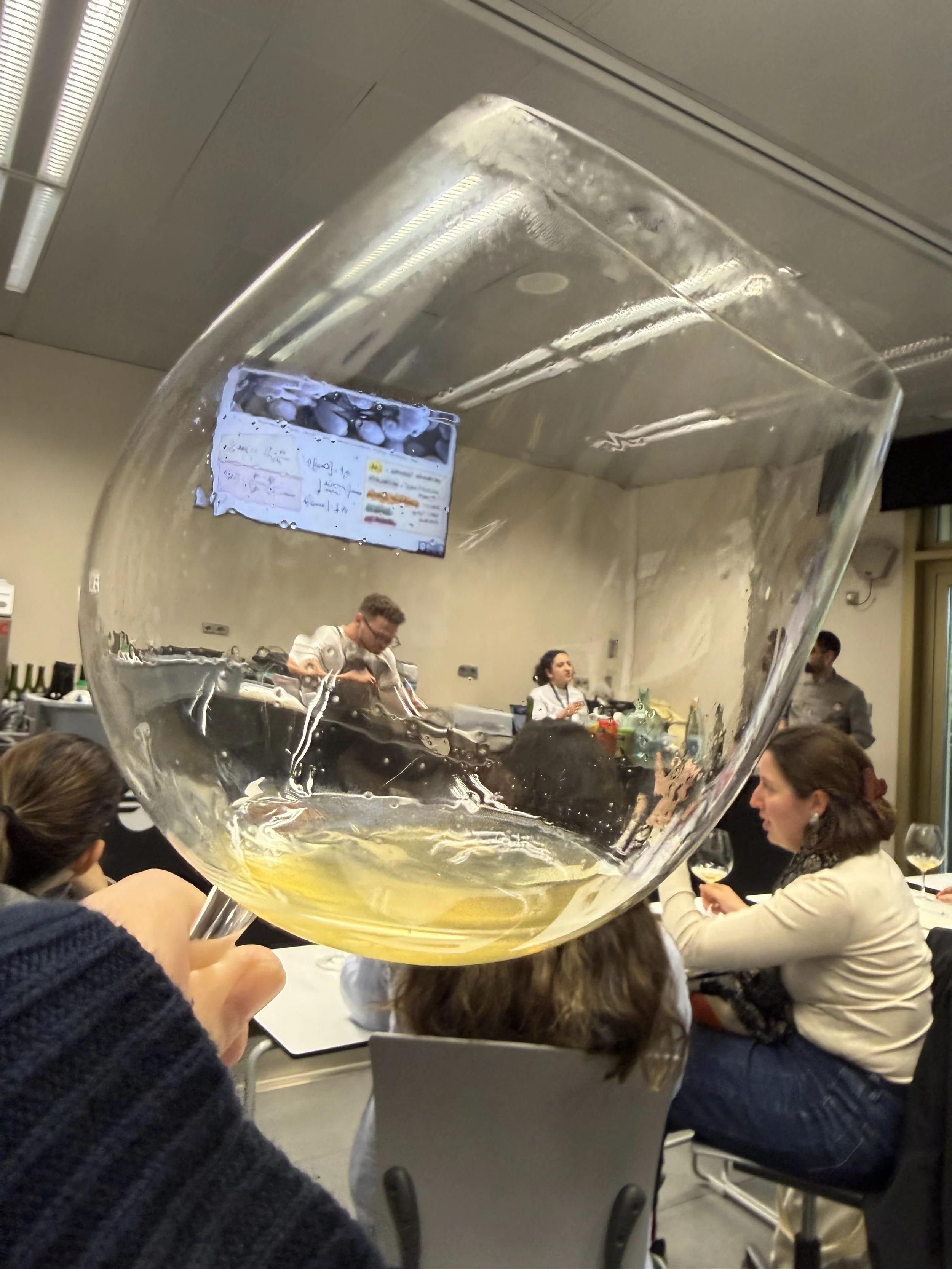
Designing Delicious: Why Sensory Science Is the Most Underrated Food Technology
Sensory science turns “cool ideas” into food people love. Here’s how GOe approaches sensory evaluation, chef panels, and consumer insight to design delicious outcomes.
Sensory analysis, GOe Tech Center, consumer science, chef panels, product development, flavor perception, San Sebastián
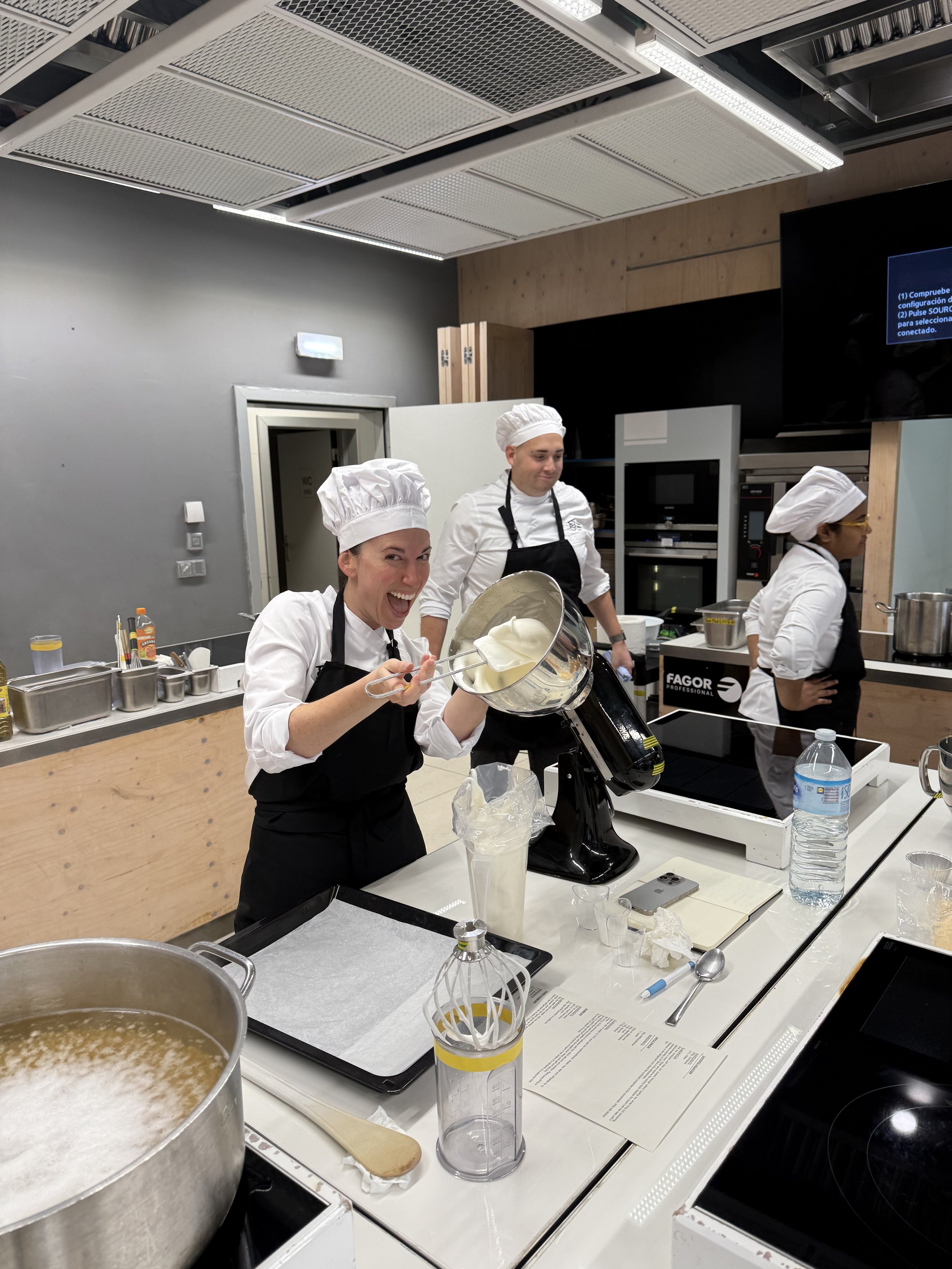
Innovation Culture: Inside GOe's Foodtech Ecosystem and What It Means for Entrepreneurs
San Sebastián already held global culinary prestige before GOe opened. With more Michelin stars per capita than nearly anywhere on Earth and a tradition of gastronomic societies stretching back generations, the city had established itself as a pilgrimage destination for serious food lovers. But GOe, the Gastronomy Open Ecosystem that opened in October 2025, represents a different kind of ambition: building infrastructure not just for dining excellence but for systematic food innovation and entrepreneurship.
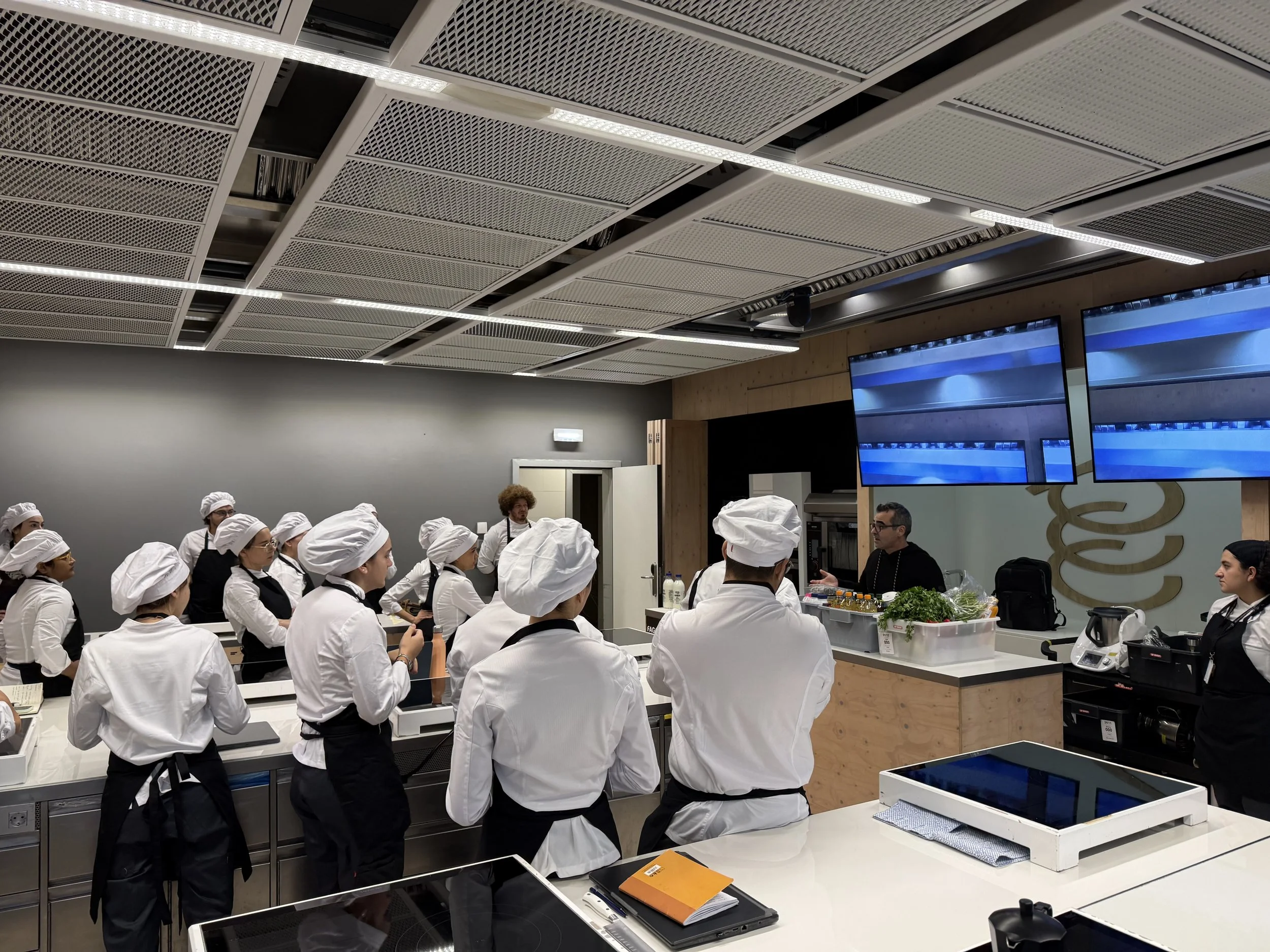
GOe in San Sebastián: When a Building Becomes a Food Innovation Ecosystem
San Sebastián just gained a new kind of landmark: GOe, Gastronomy Open Ecosystem. It’s not only a building; it’s an ecosystem that connects education, research, entrepreneurship, and public engagement to build a more delicious (and more sustainable) future. Here’s what GOe is, why it matters, and what I’m learning from being in this environment.
#GOe #SanSebastian #FoodInnovation #Gastronomy #FoodTech #SensoryScience #Fermentation
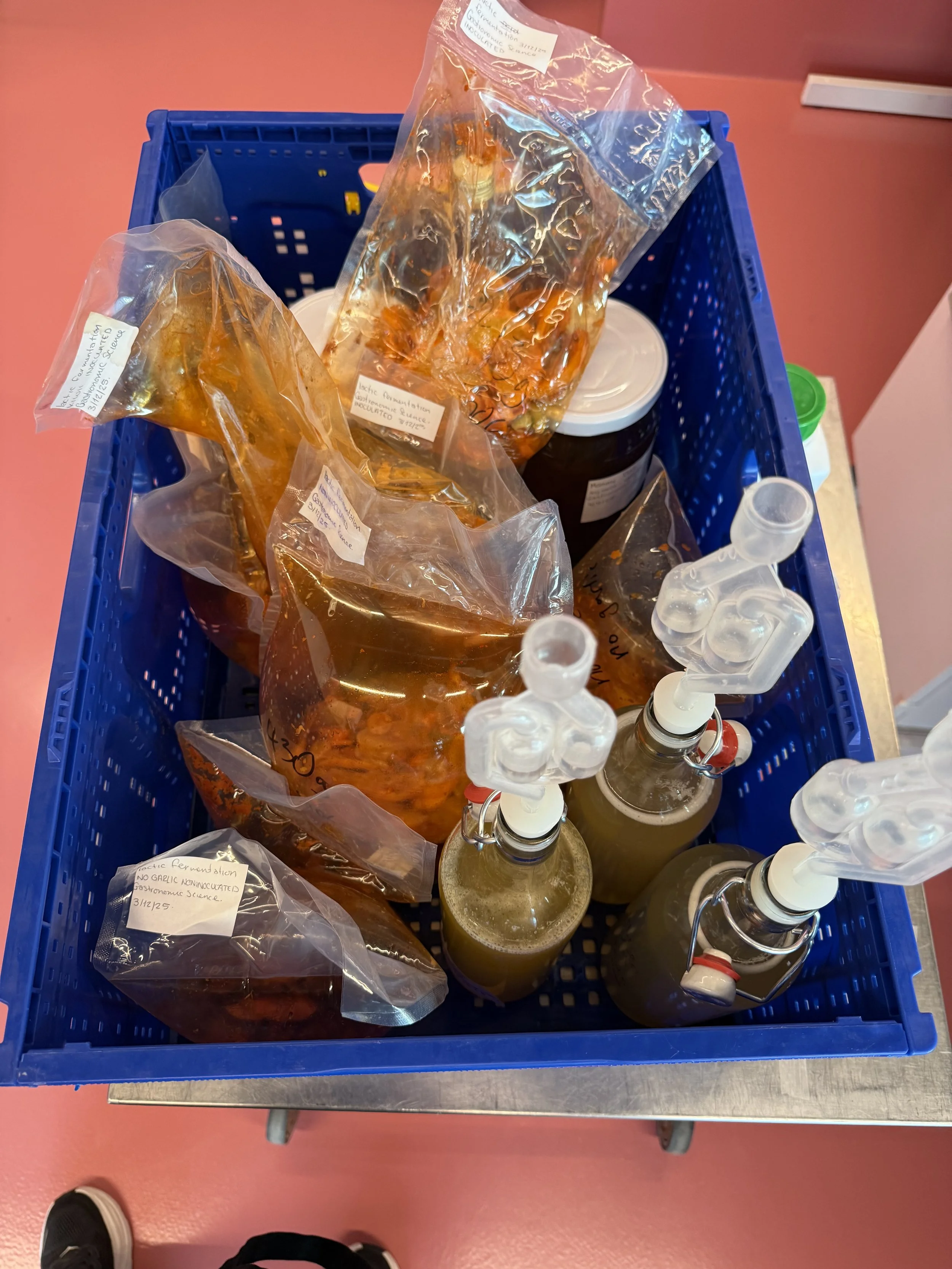
The Science of Delicious: How GOe Tech Center is Shaping What We Eat Tomorrow
Behind the copper-toned façade of GOe in San Sebastián, a quiet revolution is underway. In laboratories filled with fermentation vessels, sensory analysis booths, and experimental kitchens, researchers are asking fundamental questions about the future of food: How can we make alternative proteins taste better? What role do microorganisms play in creating functional foods? How do we design eating experiences that support both health and sustainability?
This is the work of GOe Tech Center, the research and innovation heart of the Gastronomy Open Ecosystem. Opened in October 2025 as part of the Basque Culinary Center's expansion, the Tech Center represents a distinctive approach to food science: one that refuses to separate sensory pleasure from nutritional value, or culinary tradition from cutting-edge biotechnology.
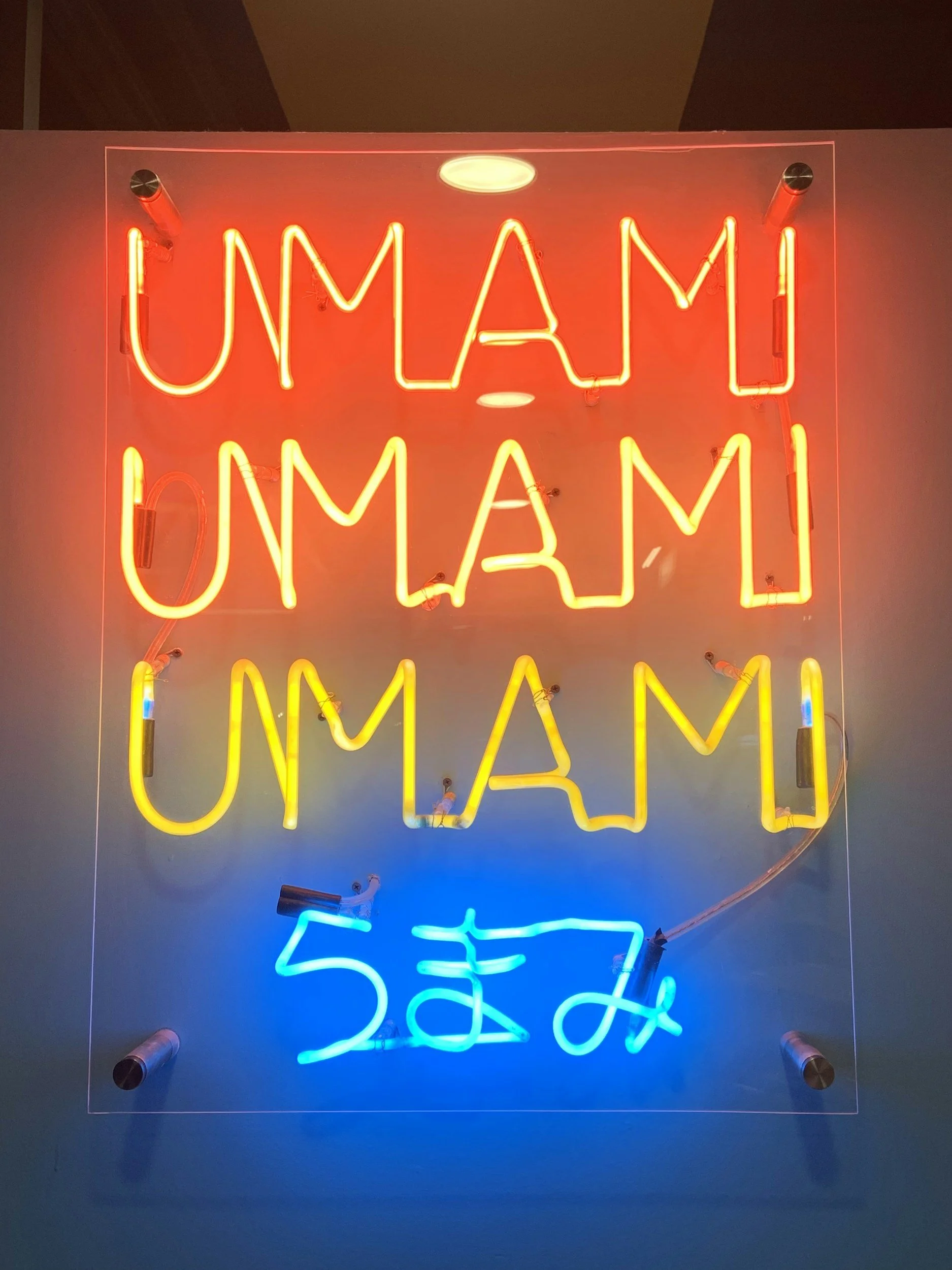
Umami: The Fifth Taste That's Reshaping Our Understanding of Flavor, Culture, and Health
Explore umami from science to culture. Discover how the fifth taste shapes flavor, challenges xenophobia, drives markets, and revolutionizes plant-based cuisine.
- "umami taste receptors T1R1 T1R3" - "MSG safety scientific consensus" - "Chinese Restaurant Syndrome myth debunked" - "umami synergy glutamate inosinate" - "plant-based umami sources" - "umami salt reduction cardiovascular health" - "fermentation umami development" - "umami market growth 2025" - "Kikunae Ikeda umami discovery" - "umami Mediterranean diet" - "Basque cuisine umami" - "xenophobia MSG Asian restaurants" - "umami food waste sustainability"
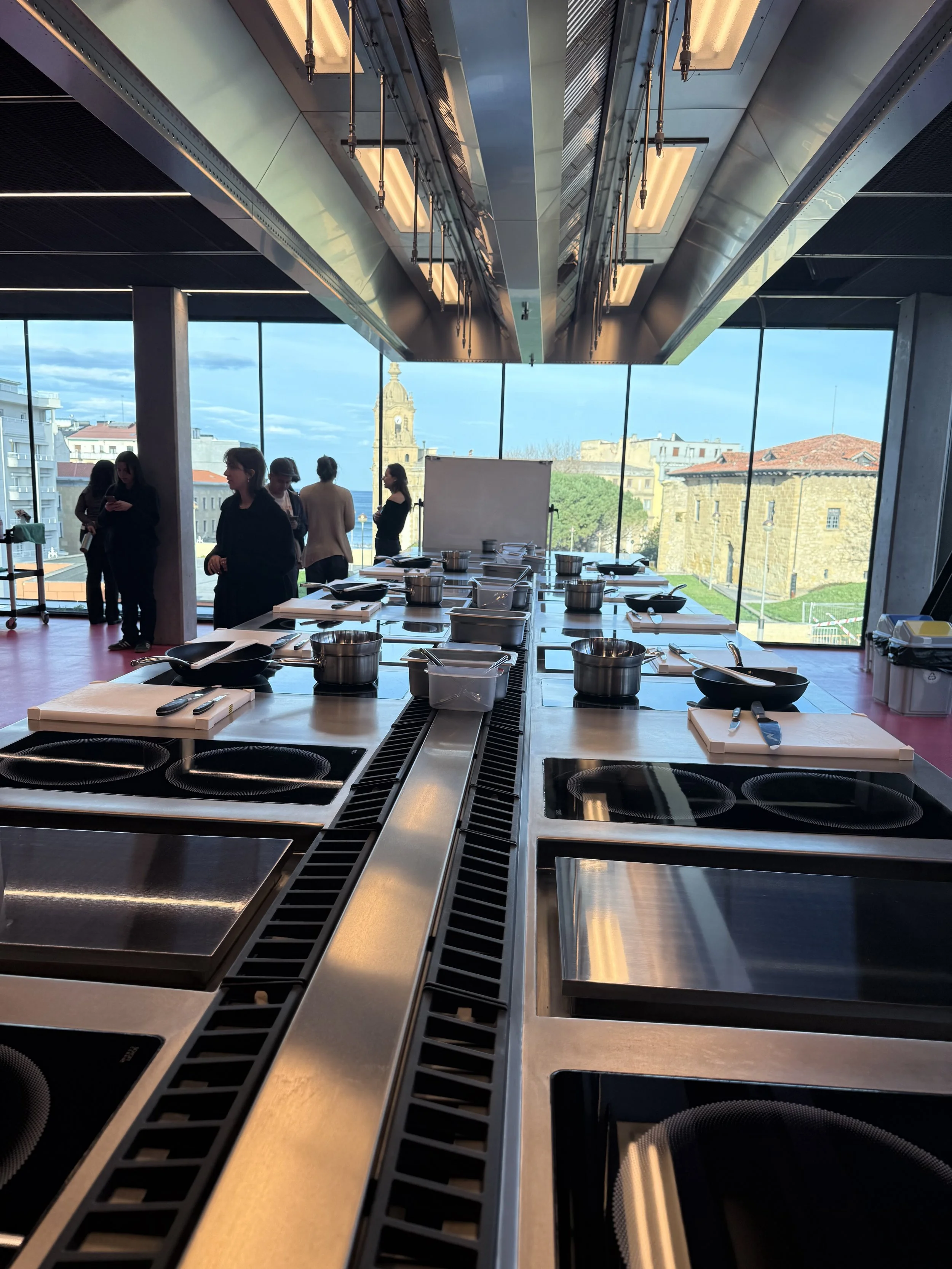
Inside GOe: Where Architecture Meets Gastronomy on the Camino de Santiago
The newest landmark in San Sebastián isn't just a building. It's a statement about the future of food, designed by one of the world's most visionary architects and positioned along one of Europe's most historic pilgrimage routes. GOe, or Gastronomy Open Ecosystem, opened its doors in October 2025 as the Basque Culinary Center's ambitious expansion into the Gros neighborhood, and it represents a radical reimagining of what a culinary research center can be.
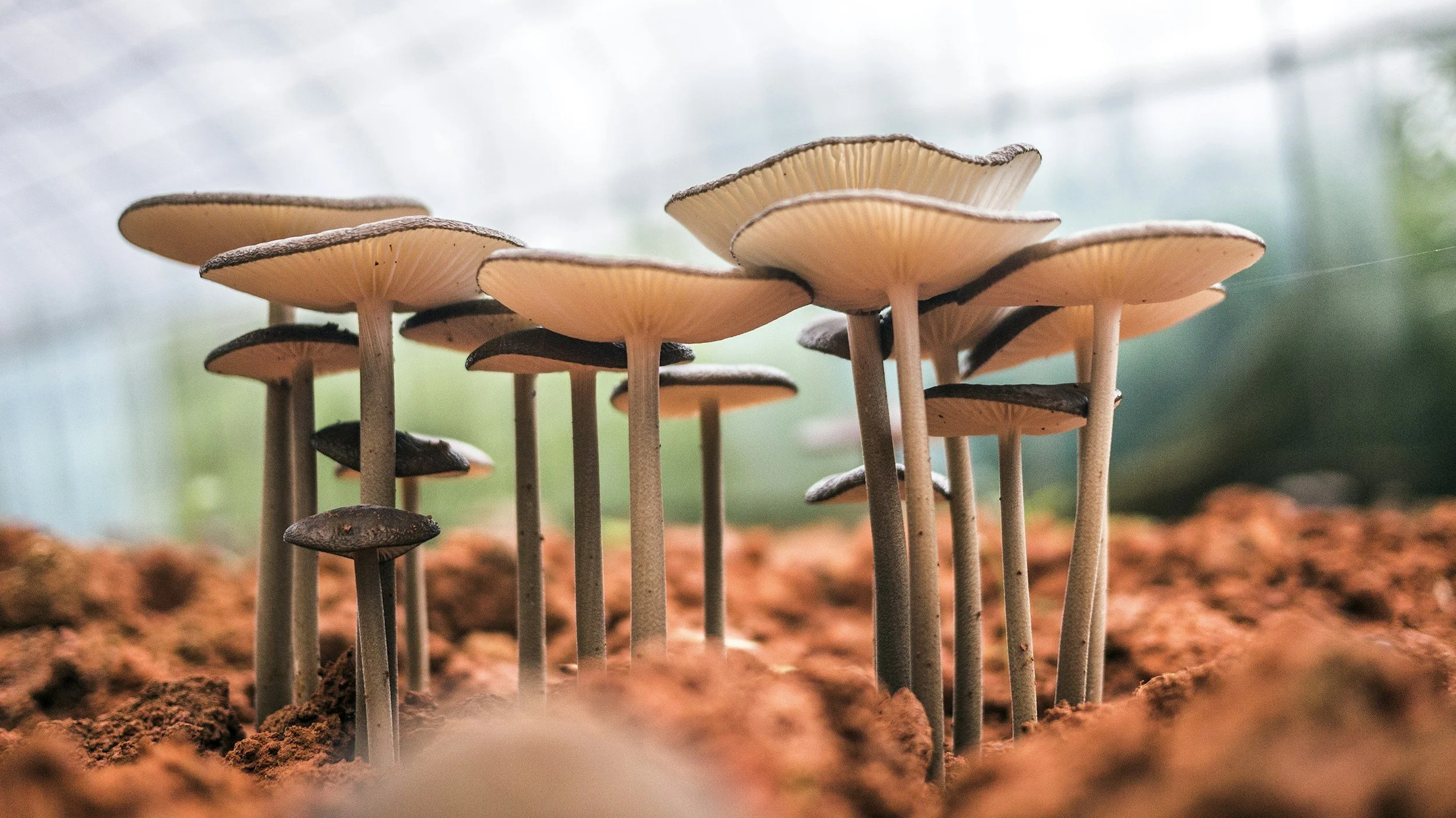
Dried Shiitake Mushrooms: The Plant-Based Secret Weapon That Outperforms Meat
A single dried shiitake mushroom contains more free glutamate than an entire plate of pasta with meat sauce. This fact alone explains why plant-based chefs have become obsessed with mushroom-based ingredients, why food companies are investing heavily in mushroom fermentation technology, and why dried shiitakes command premium prices in international markets.
The numbers are striking. Fresh shiitake mushrooms contain approximately 70 milligrams of free glutamate per 100 grams. Dried shiitakes, after the water removal process concentrates all their compounds, contain approximately 1,060 milligrams per 100 grams of free glutamate. That is a fifteen-fold concentration of one of nature's most savory molecules, making dried shiitakes one of the most umami-rich foods on the planet, rivaled only by aged Parmesan cheese at 1,680 milligrams per 100 grams and concentrated miso pastes.
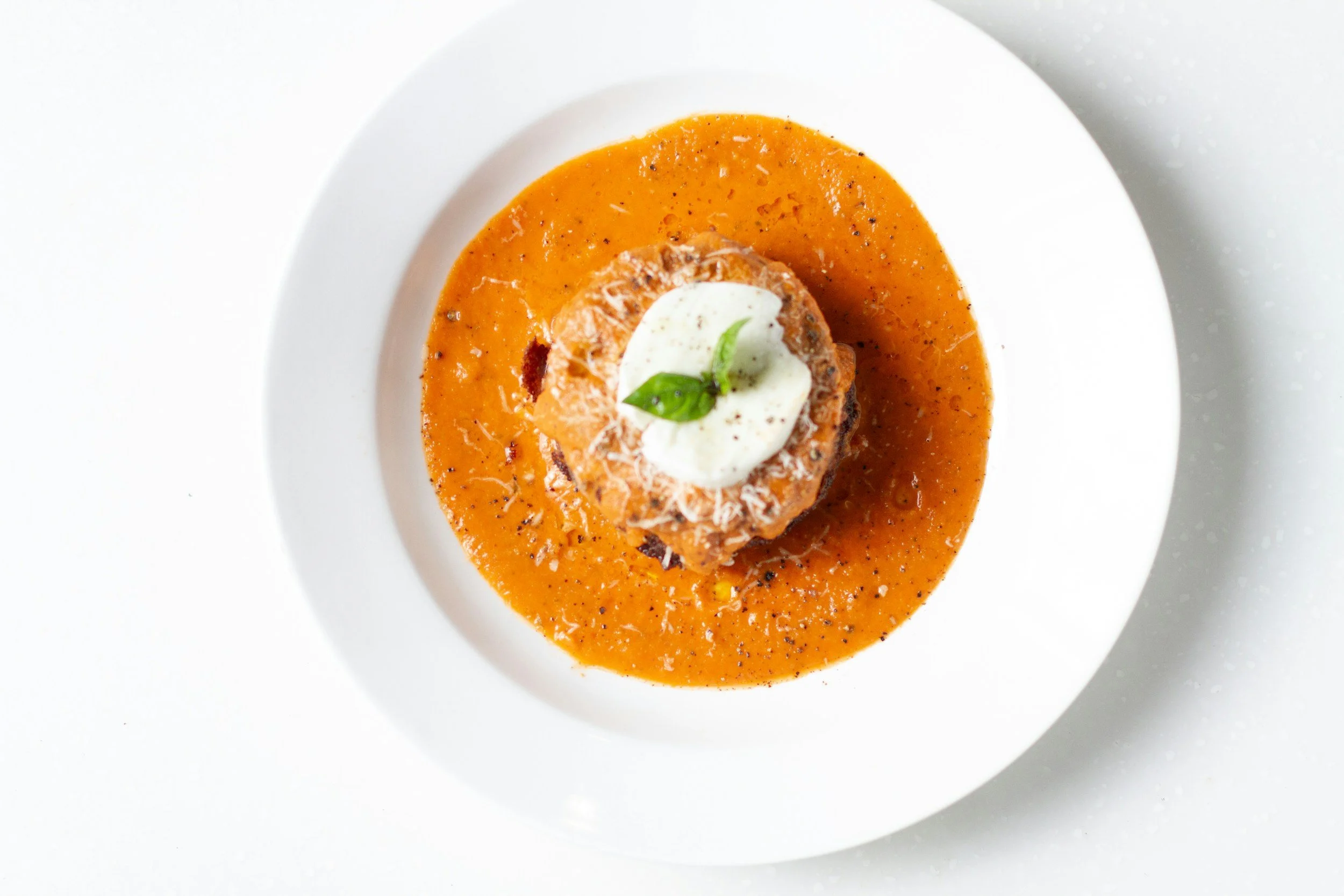
Parmesan, Tomatoes, and Anchovies: How Italian Cooking Accidentally Perfected Umami
Italian cuisine stands as one of humanity's most sophisticated food traditions, celebrated worldwide for its elegance, simplicity, and depth of flavor. What most Italian cooks, and most Italian food enthusiasts, do not realize is that this tradition developed into something very close to umami perfection through centuries of culinary experimentation, entirely independent of scientific understanding of umami as a taste category or knowledge of glutamate as a chemical compound.
The evidence appears immediately when examining umami content of canonical Italian ingredients. Parmigiano-Reggiano cheese contains approximately 1,680 milligrams of free glutamate per 100 grams, making it one of the most umami-dense foods on Earth. Ripe tomatoes contribute 246 milligrams per 100 grams, with sun-dried tomatoes concentrating this to 650 to 1,140 milligrams. Aged balsamic vinegar contains significant free glutamate from the fermentation process. Cured anchovies deliver both glutamate and inosinate, creating synergistic umami amplification.
How a Single Letter in 1968 Traumatized Asian Restaurants for 50 Years
On a spring evening in 1968, Dr. Robert Ho Man Kwok sat down after dining at a Chinese restaurant and experienced some unusual sensations. He felt numbness, weakness, heart palpitations. In a letter to the New England Journal of Medicine, he speculated about potential causes: perhaps the soy sauce, perhaps the cooking wine, perhaps the monosodium glutamate. That single letter, published in a prestigious medical journal, would trigger five decades of fear, discriminatory marketing, and economic harm targeting Asian restaurateurs and Asian cuisines across the Western world.

MSG Got Rehabilitated. Now What?
For nearly sixty years, MSG carried a scarlet letter. Food packages proudly announced "No MSG Added" as though they were advertising a health feature comparable to reduced sodium or no artificial preservatives. Asian restaurants endured economic discrimination. Families worried about neurological harm that scientific evidence consistently refuted. Then, in a series of relatively recent cultural shifts, MSG began rehabilitation. Chefs openly embraced it. Companies created campaigns mocking the stigma. A dictionary entry was revised. But what does this rehabilitation actually mean, and where does it leave us?

Why Your Mother's Milk Was Umami, and What That Tells Us About Flavor
The first taste any human experiences is not sweet, not savory in the way we typically think of umami, yet it delivers one of nature's most perfect examples of the fifth taste in its purest form. Breast milk contains glutamate at concentrations roughly 40 times higher than what appears in maternal blood, a deliberate biological choice that reveals something profound about human taste perception and nutritional needs.