Parmesan, Tomatoes, and Anchovies: How Italian Cooking Accidentally Perfected Umami
Italian cuisine stands as one of humanity's most sophisticated food traditions, celebrated worldwide for its elegance, simplicity, and depth of flavor. What most Italian cooks, and most Italian food enthusiasts, do not realize is that this tradition developed into something very close to umami perfection through centuries of culinary experimentation, entirely independent of scientific understanding of umami as a taste category or knowledge of glutamate as a chemical compound.
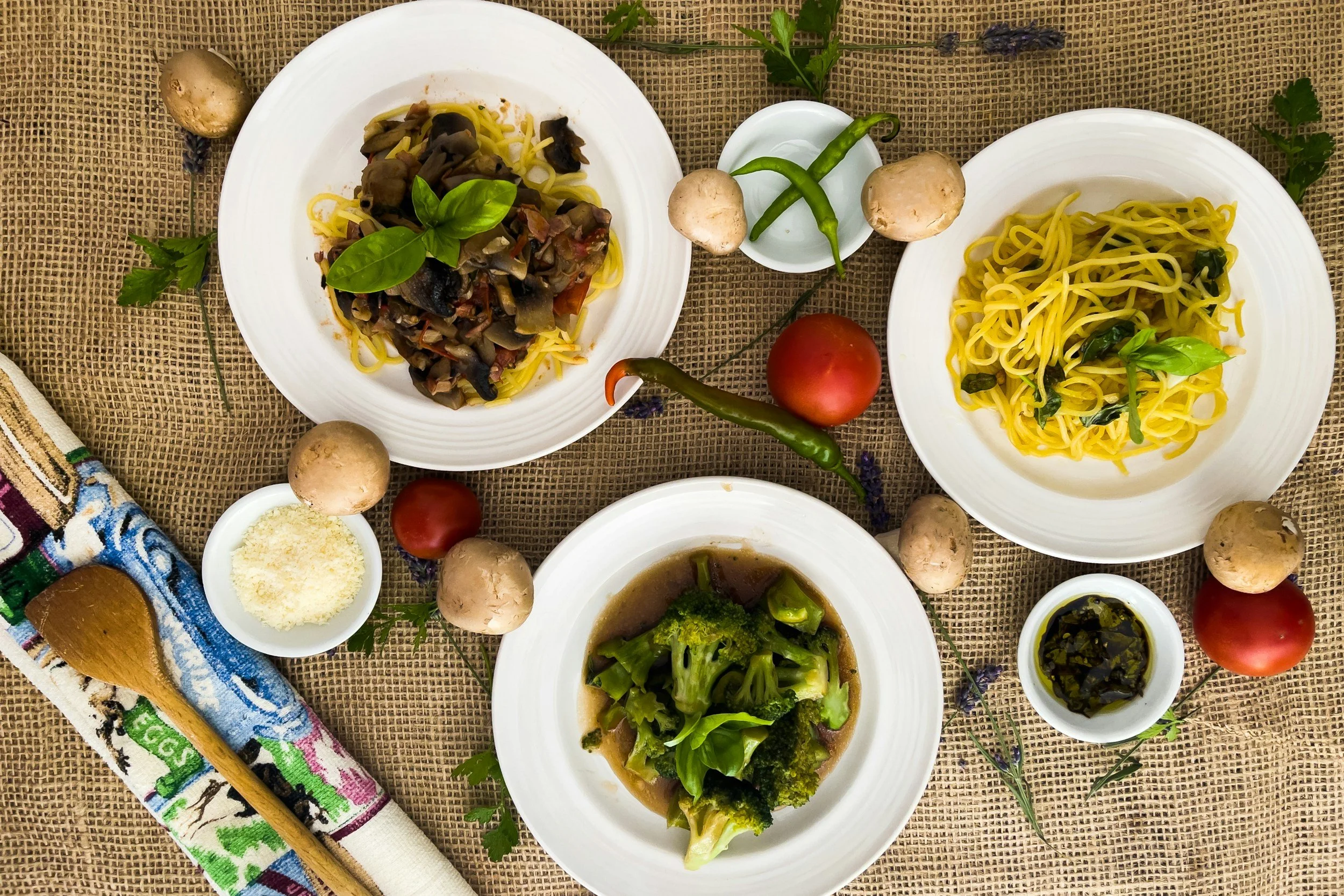
The evidence appears immediately when examining umami content of canonical Italian ingredients. Parmigiano-Reggiano cheese contains approximately 1,680 milligrams of free glutamate per 100 grams, making it one of the most umami-dense foods on Earth. Ripe tomatoes contribute 246 milligrams per 100 grams, with sun-dried tomatoes concentrating this to 650 to 1,140 milligrams. Aged balsamic vinegar contains significant free glutamate from the fermentation process. Cured anchovies deliver both glutamate and inosinate, creating synergistic umami amplification.
Yet beyond these individual ingredients sits the deeper evidence: Italian culinary technique systematically combines umami sources in ways that maximize synergistic effects. The classical trio of Parmigiano-Reggiano, tomatoes, and anchovies appears across countless dishes and preparations. This is not coincidence. It represents centuries of accumulated culinary knowledge about which flavor combinations produce maximum satisfaction and pleasure.
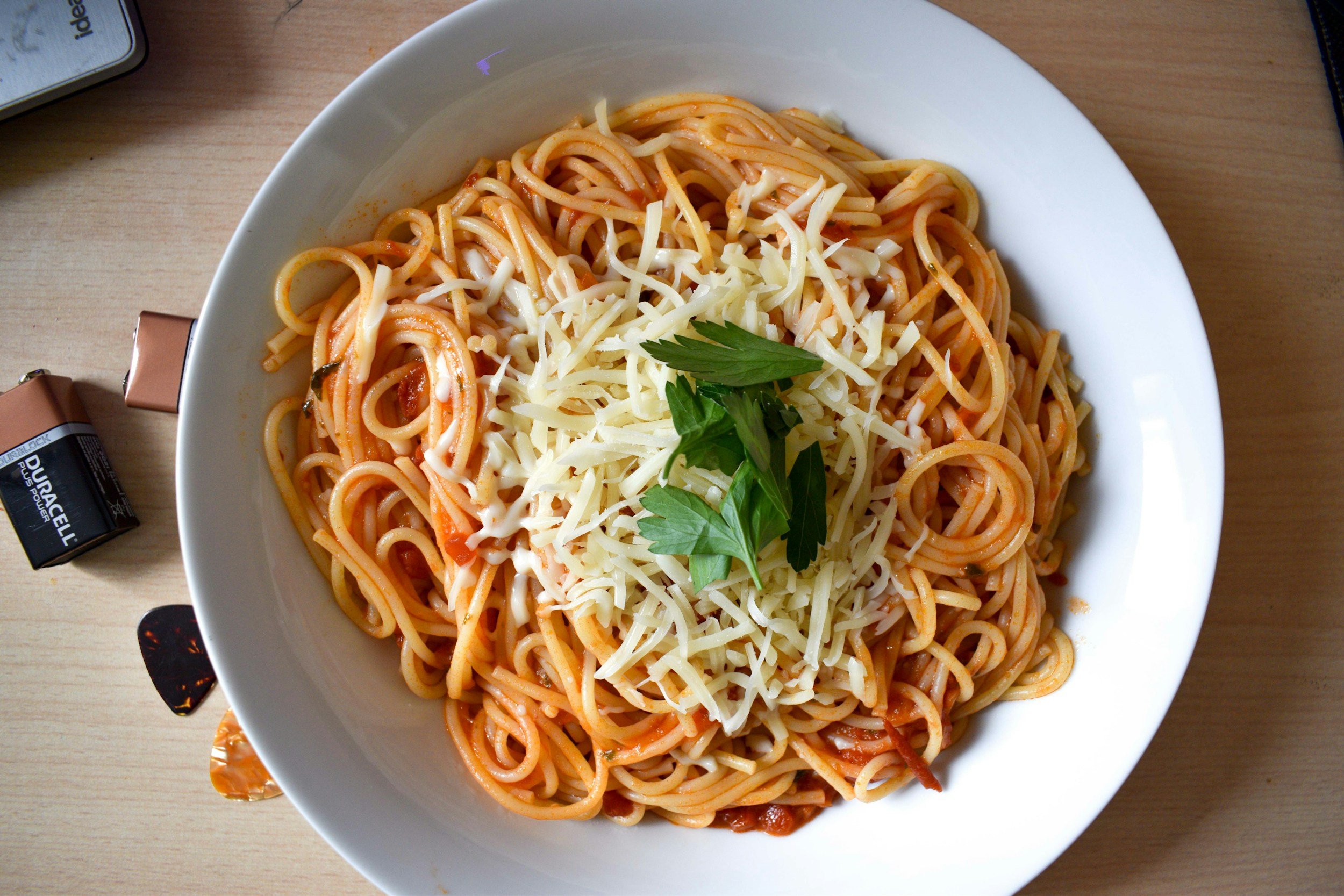
Consider the simple preparation of pasta al pomodoro, one of Italian cuisine's most elemental dishes: fresh pasta, tomato sauce, olive oil, salt, and Parmesan. The tomato provides glutamate. The Parmesan provides glutamate at extraordinary concentration plus inosinate from long aging. The combination generates umami synergy, where one plus one equals far more than two in terms of flavor intensity and satisfaction.
The historical development of this cuisine offers fascinating parallels to what food scientists now understand about umami optimization. Italian cooking developed fermentation techniques to concentrate umami: aged cheeses obviously, but also aged meats, fermented sauces, slow-cooked broths that break down proteins into free amino acids. These techniques emerge across the Mediterranean and throughout Italian regional traditions, developed without any knowledge of glutamate chemistry but achieving precisely the results that contemporary umami science would predict and endorse.
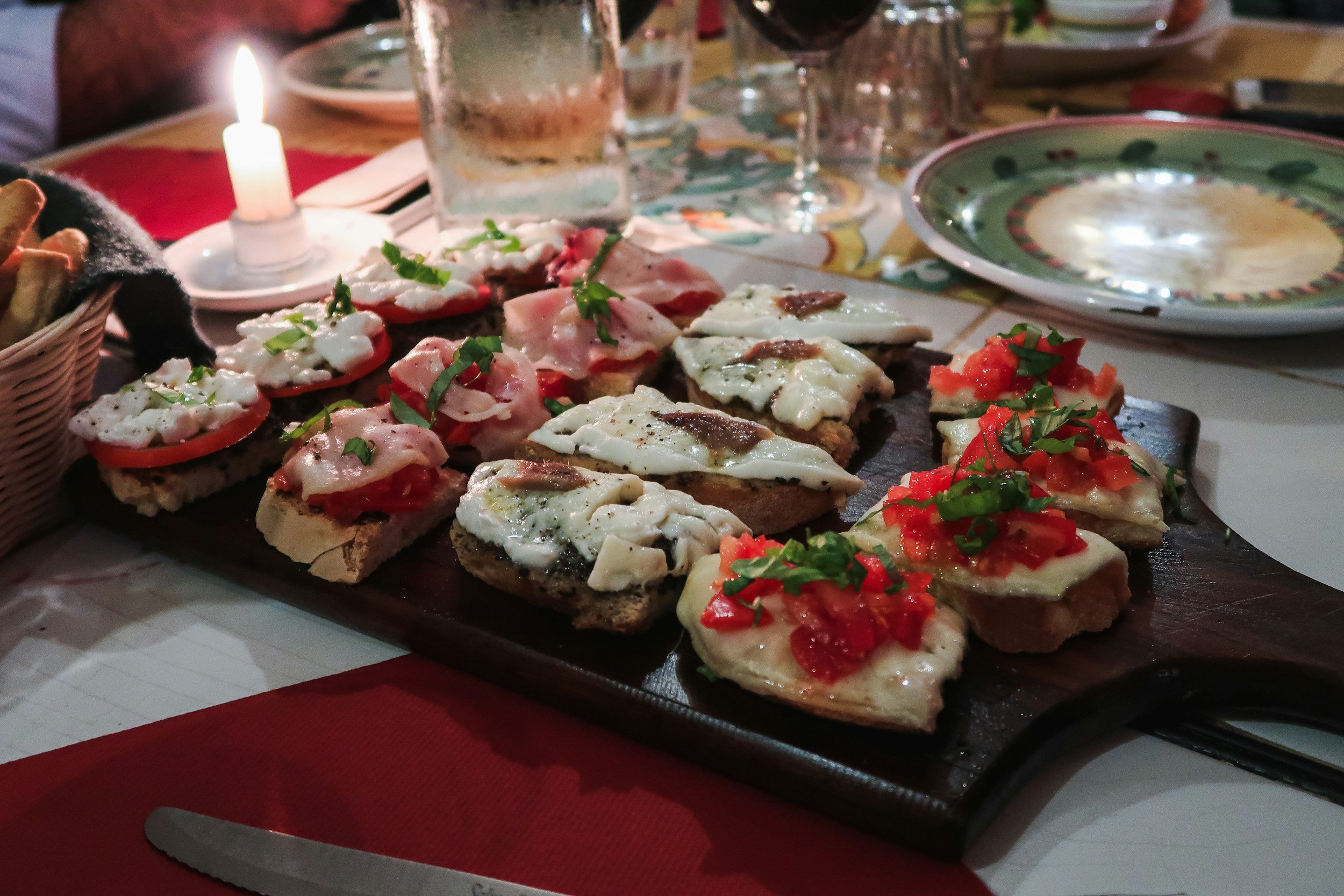
Anchovies deserve particular attention here. In Italian cooking, anchovies function rarely as a primary ingredient meant to taste fishy. Instead, they serve as an umami amplifier, often dissolved into sauces or incorporated into pasta dishes where they dissolve into the fat and liquid, adding savory depth without announcing their presence. This represents sophisticated understanding of umami function: small quantities of inosinate-rich ingredients amplify perception of other savory compounds without requiring explicit recognition of the anchovy itself.
The synergistic application extends to cooking method. Italian braising techniques, slow-cooking meats and vegetables together for hours, break down collagen into gelatin and proteins into amino acids, increasing free glutamate content through the slow heating process. The resulting sauces coat pasta with umami-rich juices, providing the sensation of deep satisfaction without necessarily containing individual ingredient ratios that would maximize umami according to laboratory testing.
This raises a profound question about culinary knowledge and scientific understanding. Did Italian chefs need to understand glutamate chemistry to create umami-optimized dishes? Absolutely not. They developed their cuisine through generations of trial and error, through attention to how foods combined to produce pleasure and satisfaction, through cultural transmission of techniques and ingredient combinations. The science arrived centuries later as explanation rather than innovation.
Contemporary Italian chefs, armed with knowledge of umami and glutamate, can articulate why their traditional dishes work so well and can optimize further if desired. But the tradition required no such knowledge to achieve excellence. This suggests something important about the relationship between scientific understanding and culinary mastery: they are not the same thing. One can practice extraordinary cooking entirely intuitively, through experience and taste, without needing to understand the chemical mechanisms underneath.
Yet there is value in bringing scientific understanding to this intuitive tradition. Umami knowledge might help contemporary Italian chefs optimize for reduced salt while maintaining savor, might inspire applications of traditional umami ingredients in novel contexts, might provide framework for explaining to students why particular combinations work. The knowledge does not replace tradition but can enhance, clarify, and extend it.
For food lovers and home cooks, understanding the umami content of canonical Italian ingredients and the synergistic principles underlying Italian cooking offers both appreciation and practical application. When you taste a perfectly made pasta carbonara, with its combination of aged Pecorino Romano, cured guanciale, and egg yolk all delivering umami through different mechanisms, you are experiencing centuries of accumulated culinary knowledge about how to maximize savory satisfaction. The cook who made it likely never used the word umami, but they understood its principles through taste and tradition.
This represents an important perspective on food science: not as replacement for tradition and intuition, but as validation and explanation of knowledge that cultures have accumulated through long experience. Italian cuisine, perfected over centuries, stands as evidence that humans can develop extraordinarily sophisticated food traditions through taste and experimentation, arriving at principles of flavor optimization without needing to know the chemistry. The chemistry merely confirms what Italian cooks knew all along: that certain ingredient combinations and cooking methods produce profound and lasting satisfaction.
