A collection of guides, reflections, and resources on Gastronomy and Life in Spain.
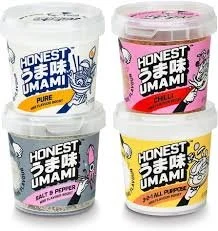
Honest Flavor. How This UK Startup Is Banking on Transparency in the MSG Wars
Discover how Honest Umami is disrupting the food industry by marketing MSG honestly instead of hiding it behind "natural flavoring" euphemisms. A case study in transparency.
Umami: The Fifth Taste That's Reshaping Our Understanding of Flavor, Culture, and Health
Explore umami from science to culture. Discover how the fifth taste shapes flavor, challenges xenophobia, drives markets, and revolutionizes plant-based cuisine.
- "umami taste receptors T1R1 T1R3" - "MSG safety scientific consensus" - "Chinese Restaurant Syndrome myth debunked" - "umami synergy glutamate inosinate" - "plant-based umami sources" - "umami salt reduction cardiovascular health" - "fermentation umami development" - "umami market growth 2025" - "Kikunae Ikeda umami discovery" - "umami Mediterranean diet" - "Basque cuisine umami" - "xenophobia MSG Asian restaurants" - "umami food waste sustainability"
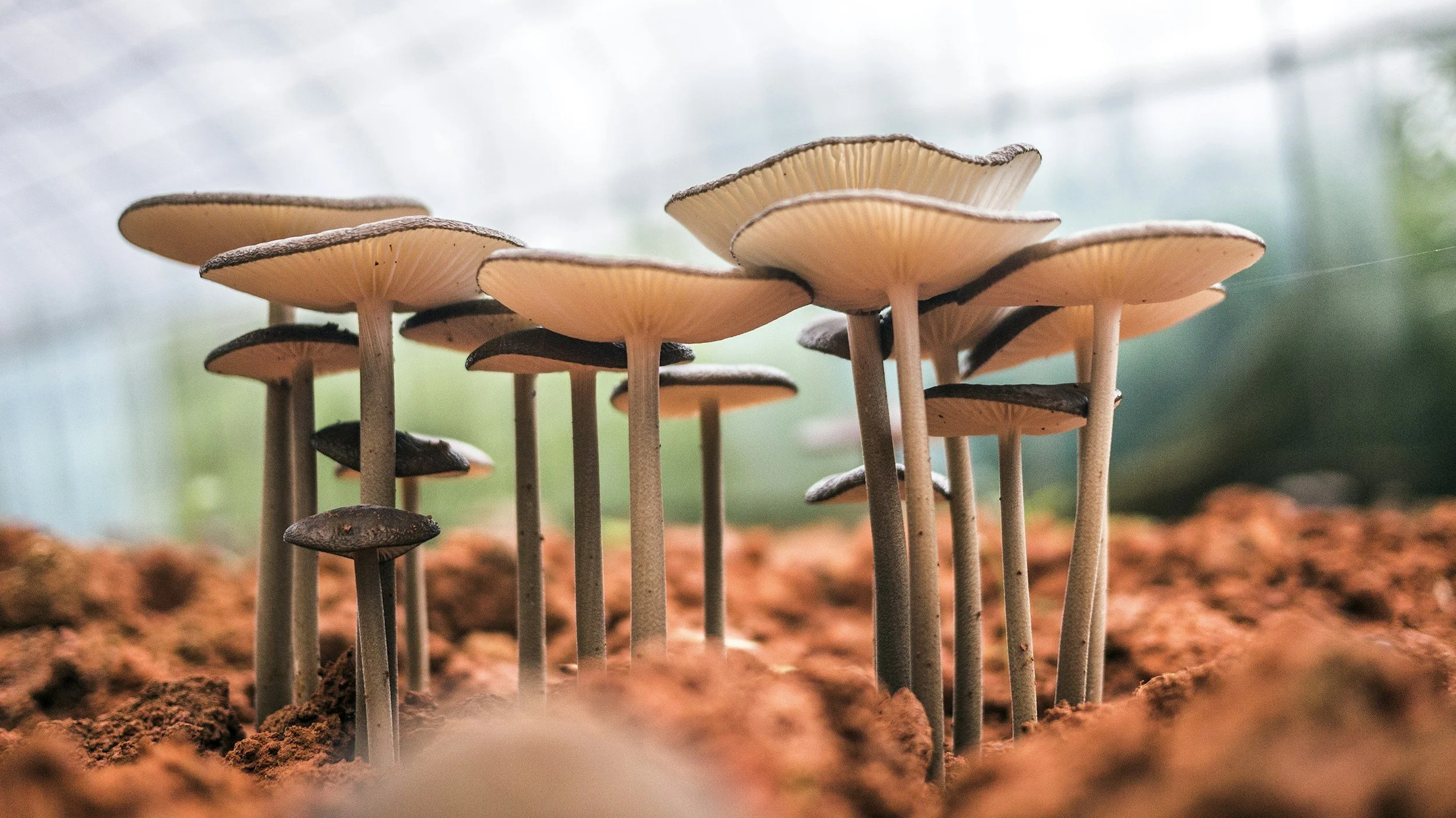
Dried Shiitake Mushrooms: The Plant-Based Secret Weapon That Outperforms Meat
A single dried shiitake mushroom contains more free glutamate than an entire plate of pasta with meat sauce. This fact alone explains why plant-based chefs have become obsessed with mushroom-based ingredients, why food companies are investing heavily in mushroom fermentation technology, and why dried shiitakes command premium prices in international markets.
The numbers are striking. Fresh shiitake mushrooms contain approximately 70 milligrams of free glutamate per 100 grams. Dried shiitakes, after the water removal process concentrates all their compounds, contain approximately 1,060 milligrams per 100 grams of free glutamate. That is a fifteen-fold concentration of one of nature's most savory molecules, making dried shiitakes one of the most umami-rich foods on the planet, rivaled only by aged Parmesan cheese at 1,680 milligrams per 100 grams and concentrated miso pastes.
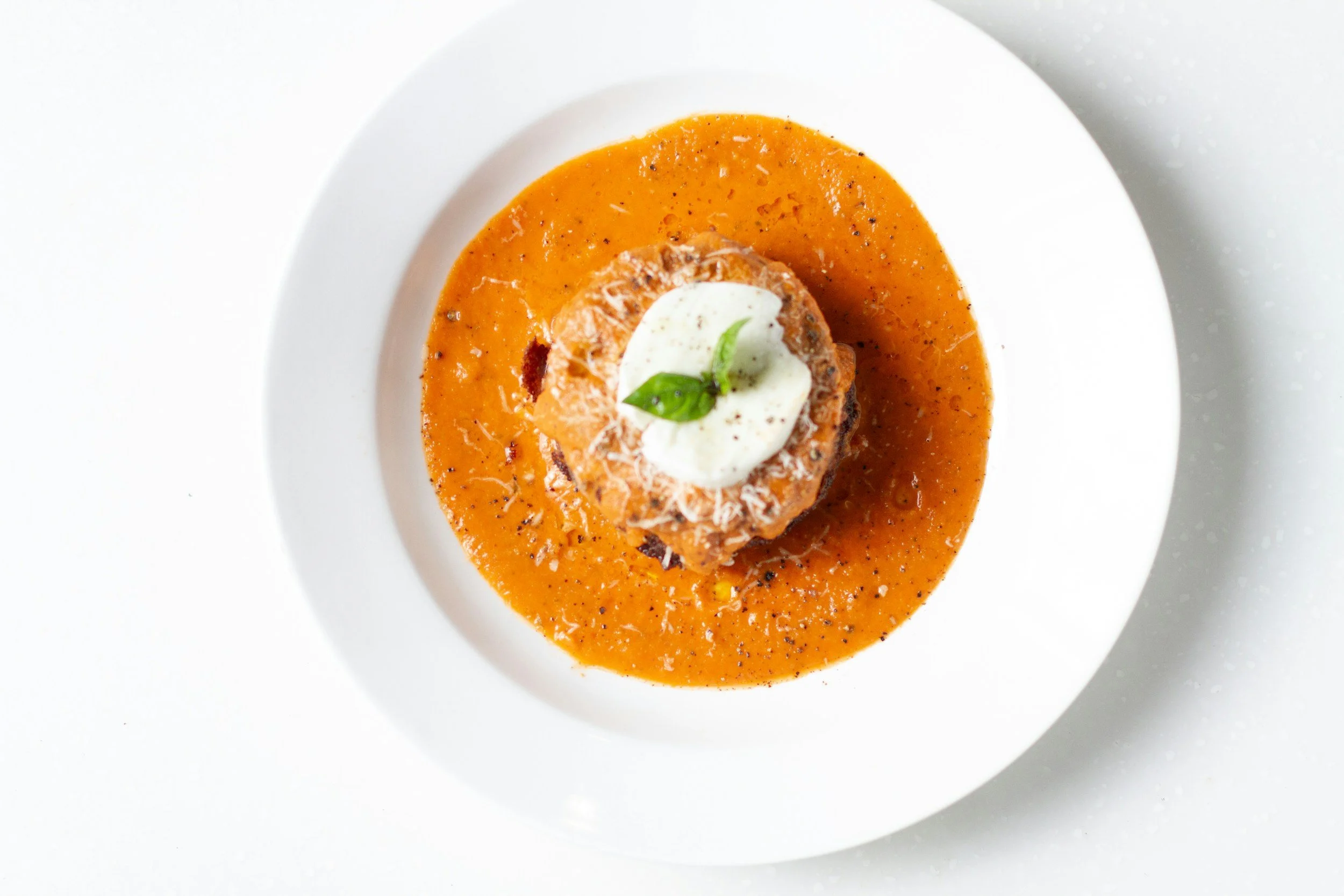
Parmesan, Tomatoes, and Anchovies: How Italian Cooking Accidentally Perfected Umami
Italian cuisine stands as one of humanity's most sophisticated food traditions, celebrated worldwide for its elegance, simplicity, and depth of flavor. What most Italian cooks, and most Italian food enthusiasts, do not realize is that this tradition developed into something very close to umami perfection through centuries of culinary experimentation, entirely independent of scientific understanding of umami as a taste category or knowledge of glutamate as a chemical compound.
The evidence appears immediately when examining umami content of canonical Italian ingredients. Parmigiano-Reggiano cheese contains approximately 1,680 milligrams of free glutamate per 100 grams, making it one of the most umami-dense foods on Earth. Ripe tomatoes contribute 246 milligrams per 100 grams, with sun-dried tomatoes concentrating this to 650 to 1,140 milligrams. Aged balsamic vinegar contains significant free glutamate from the fermentation process. Cured anchovies deliver both glutamate and inosinate, creating synergistic umami amplification.
How a Single Letter in 1968 Traumatized Asian Restaurants for 50 Years
On a spring evening in 1968, Dr. Robert Ho Man Kwok sat down after dining at a Chinese restaurant and experienced some unusual sensations. He felt numbness, weakness, heart palpitations. In a letter to the New England Journal of Medicine, he speculated about potential causes: perhaps the soy sauce, perhaps the cooking wine, perhaps the monosodium glutamate. That single letter, published in a prestigious medical journal, would trigger five decades of fear, discriminatory marketing, and economic harm targeting Asian restaurateurs and Asian cuisines across the Western world.

MSG Got Rehabilitated. Now What?
For nearly sixty years, MSG carried a scarlet letter. Food packages proudly announced "No MSG Added" as though they were advertising a health feature comparable to reduced sodium or no artificial preservatives. Asian restaurants endured economic discrimination. Families worried about neurological harm that scientific evidence consistently refuted. Then, in a series of relatively recent cultural shifts, MSG began rehabilitation. Chefs openly embraced it. Companies created campaigns mocking the stigma. A dictionary entry was revised. But what does this rehabilitation actually mean, and where does it leave us?