Dried Shiitake Mushrooms: The Plant-Based Secret Weapon That Outperforms Meat
A single dried shiitake mushroom contains more free glutamate than an entire plate of pasta with meat sauce. This fact alone explains why plant-based chefs have become obsessed with mushroom-based ingredients, why food companies are investing heavily in mushroom fermentation technology, and why dried shiitakes command premium prices in international markets.
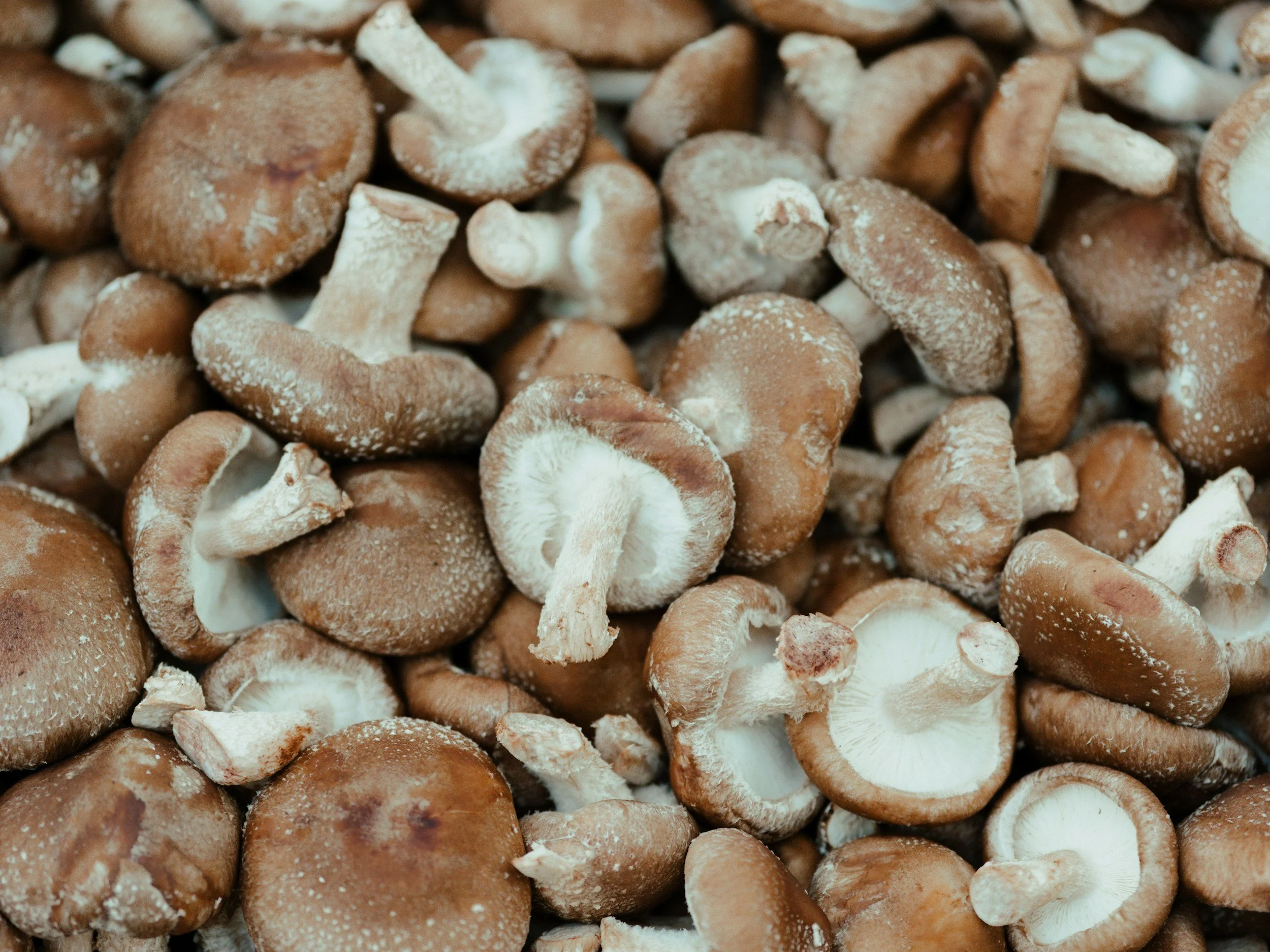
The numbers are striking. Fresh shiitake mushrooms contain approximately 70 milligrams of free glutamate per 100 grams. Dried shiitakes, after the water removal process concentrates all their compounds, contain approximately 1,060 milligrams per 100 grams of free glutamate. That is a fifteen-fold concentration of one of nature's most savory molecules, making dried shiitakes one of the most umami-rich foods on the planet, rivaled only by aged Parmesan cheese at 1,680 milligrams per 100 grams and concentrated miso pastes.
What makes this particularly remarkable is that mushrooms accomplish this umami density entirely through their natural biology, without fermentation, aging, or any processing beyond simple drying. This positions mushrooms as a uniquely versatile ingredient for plant-based cooking, able to deliver savory satisfaction without relying on the fermentation processes required for soybeans to yield comparable umami levels.
The science underlying mushroom umami involves enzymatic activity. As mushrooms dry, their own proteolytic enzymes break down fungal proteins, liberating free glutamate. Additionally, mushrooms naturally accumulate guanylate, one of the nucleotides that synergistically amplifies umami perception. When combined with other ingredients like soy sauce or miso, which are rich in glutamate, mushrooms create the synergistic "one plus one equals fifteen" effect that umami researchers describe.
For plant-based food developers, this creates multiple applications. Dried shiitake powder becomes a seasoning boost for soups, stews, and grain dishes. Rehydrated shiitakes create umami-rich broths that can serve as stocks for vegetable-based cooking. Mushroom extracts concentrate umami compounds into liquid or powdered forms that can enhance plant-based meat alternatives, making them taste more savory and satisfying. The global food industry is responding with investment, with mushroom-based umami sources projected to capture 65 percent of the natural umami flavors market by 2025.
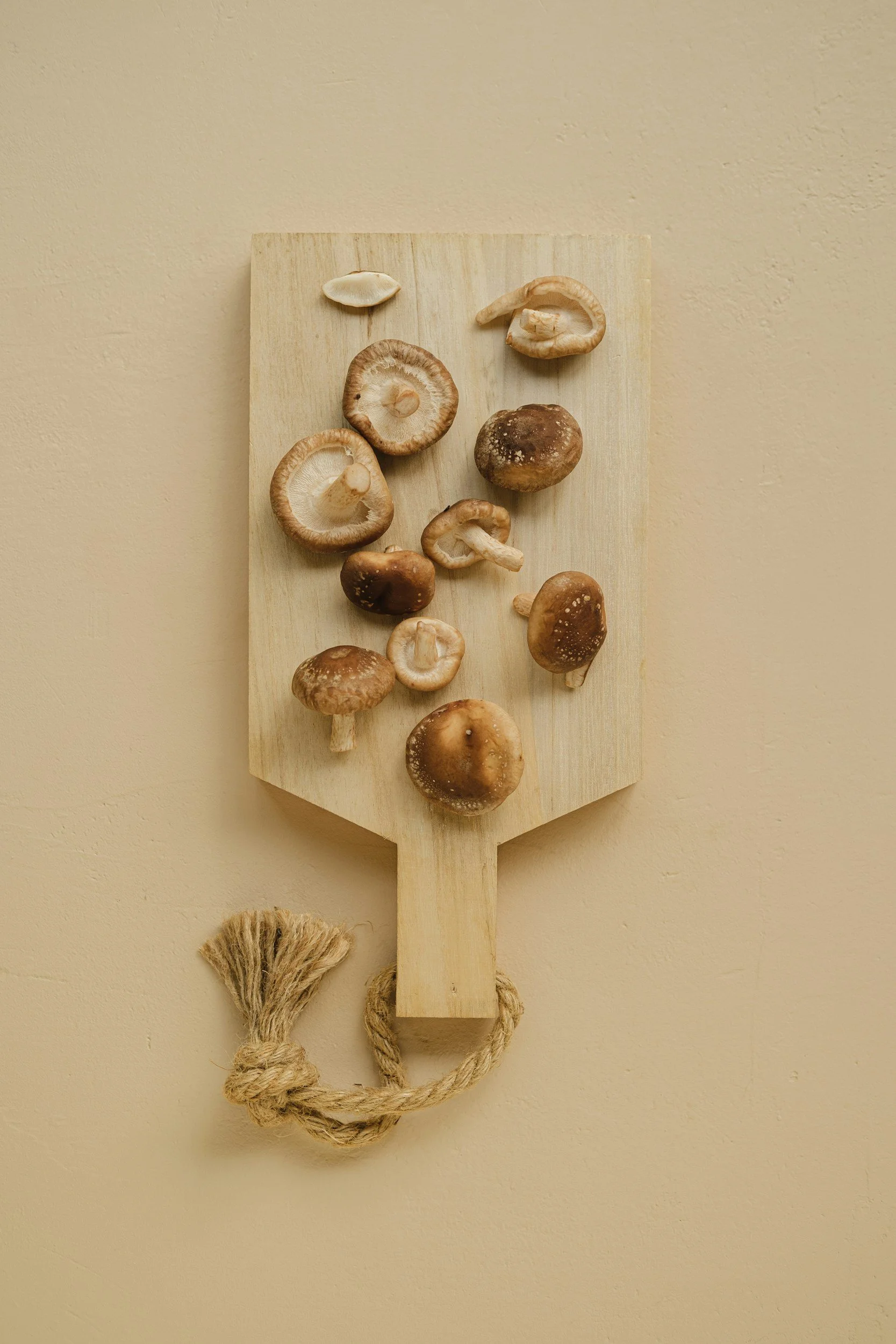
Home cooks need not wait for commercial innovation. A simple technique delivers results immediately: reserve the water from rehydrating dried shiitakes. This "mushroom dashi" contains extraordinary umami density and serves as an excellent base for soups, risottos, grain cooking, or sauce making. The flavor profile is deep, savory, and completely plant-based, with no animal products involved yet delivering a richness comparable to traditional bone broths.
The culinary applications extend across cuisines. Japanese cooking has incorporated dried shiitake into dashi for centuries, combining it with kombu seaweed to achieve maximum umami synergy. Contemporary plant-based Asian cooking builds on these traditions, using dried mushrooms as a foundational umami element. Mediterranean cooking has begun incorporating mushroom powders and dried mushroom concentrates into vegetable broths and stews. Western plant-based pioneers use mushroom ingredients to add depth to plant-based burgers, sausages, and prepared meals.
Nutritionally, dried shiitakes offer additional benefits beyond umami. They contain beta-glucans that support immune function, ergothioneine with antioxidant properties, and various polysaccharides associated with health benefits in traditional medicine and increasingly validated by modern research. The umami is not merely a taste experience but arrives bundled with nutritional compounds that have genuine health implications.
The economic implications are substantial. As plant-based diets gain traction globally, driven by environmental concerns, ethical considerations, and health awareness, the challenge remains palatability. People will not sustain dietary changes if the food does not taste good. Umami, delivered through mushrooms and other plant-based sources, solves this problem. Food companies investing in mushroom-based umami solutions are investing in the feasibility of plant-based eating as a mainstream, sustainable dietary approach.
For anyone interested in plant-based cooking, developing a relationship with dried shiitake mushrooms represents one of the highest-leverage moves possible. A single dried mushroom, costing perhaps twenty to thirty cents, can transform a pot of bland vegetables into something deeply satisfying and flavorful. This is not food chemistry trickery. This is working with the genuine, concentrated savory compounds that mushrooms produce through their own biological processes.
The future of sustainable, plant-based food systems depends on ingredients like dried shiitakes, on understanding the umami compounds they deliver, and on learning to work with those compounds in ways that rival the satisfaction traditionally provided by animal products. In that sense, the humble dried shiitake mushroom stands at the intersection of nutrition, sustainability, culinary tradition, and food justice, all condensed into a small, wrinkled form waiting to transform our plates and our food systems.
