MSG Got Rehabilitated. Now What?

For nearly sixty years, MSG carried a scarlet letter. Food packages proudly announced "No MSG Added" as though they were advertising a health feature comparable to reduced sodium or no artificial preservatives. Asian restaurants endured economic discrimination. Families worried about neurological harm that scientific evidence consistently refuted. Then, in a series of relatively recent cultural shifts, MSG began rehabilitation. Chefs openly embraced it. Companies created campaigns mocking the stigma. A dictionary entry was revised. But what does this rehabilitation actually mean, and where does it leave us?
The practical reality is that MSG never went away. While Western consumers avoided it based on unfounded fears, the global food industry continued using it at substantial scale. The International Organization for Standardization reports that glutamate production exceeds two million metric tons annually worldwide. For decades, the disconnect between public perception and industrial reality created incentives for manufacturers to disguise MSG under alternative names: hydrolyzed vegetable protein, yeast extract, autolyzed yeast, and numerous other terms that technically contain glutamate but avoid the demonized label.
This created a bizarre market dynamic where companies could claim "No MSG Added" while including functionally equivalent glutamate-rich ingredients on their ingredient lists. Consumers who believed they were avoiding MSG often consumed comparable amounts via these disguised sources. The stigma did not reduce MSG consumption in Western diets. It simply made that consumption less transparent.
The rehabilitation changes this equation. As MSG loses its scarlet letter, several possibilities open. One scenario involves honesty: companies could reformulate products to include MSG explicitly rather than through disguised sources, potentially simplifying ingredient lists and reducing the number of additives required to achieve desired flavors. Why use five different hydrolyzed proteins when a smaller amount of MSG combined with other ingredients might achieve equivalent results more efficiently?
A second scenario involves strategic transparency. Companies might embrace MSG in particular products, marketing them as umami-enhanced for added satisfaction or sophisticated taste. This approach requires fighting residual consumer skepticism but allows for premium positioning. A bottle of cooking oil or seasoning paste explicitly marketed as MSG-enhanced could appeal to adventurous cooks, followers of particular chefs, or consumers who have educated themselves about umami.
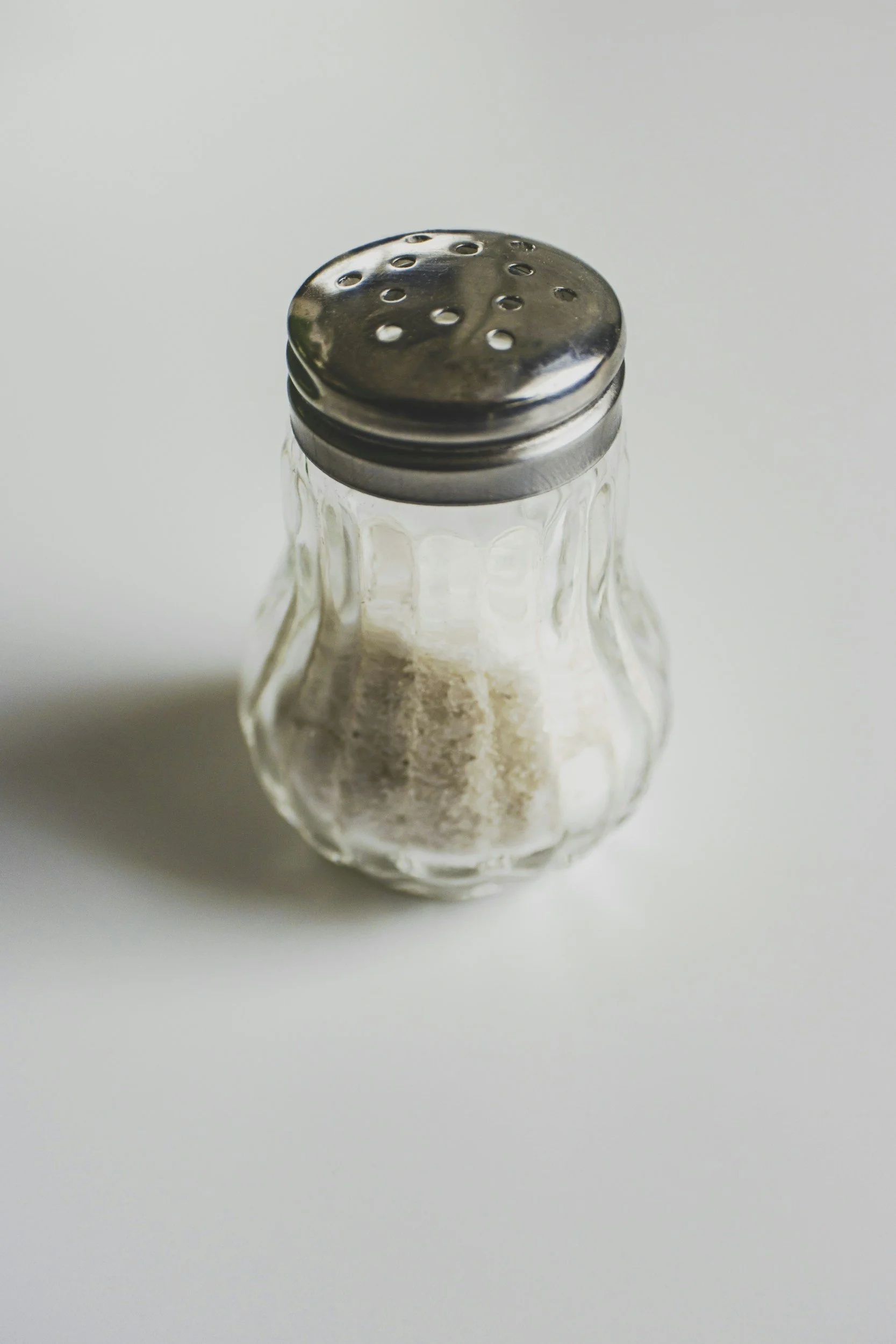
The third and most intriguing scenario involves treating MSG as a legitimate tool for nutritional improvements. MSG contains approximately 23 percent less sodium than table salt. In dishes requiring salt reduction for health reasons, MSG could replace some sodium chloride without sacrificing savor. Research demonstrates that such substitution can reduce dietary salt intake by 9 to 18 percent without compromising palatability, with substantial implications for cardiovascular health at the population level.
This third application faces practical and psychological barriers. Sodium reduction campaigns have been ongoing for decades, yet global populations continue consuming salt at levels far exceeding health recommendations. A reliance on MSG to enable salt reduction requires not just consumer acceptance of MSG but active consumer awareness that salt reduction is occurring. Marketing becomes delicate: emphasize the salt reduction without triggering MSG anxiety.
Yet this represents the most defensible nutrition application: using umami science to improve public health by enabling people to consume less salt without experiencing food as unpalatable. This is not food manipulation for craveability. This is leveraging basic taste physiology to support genuine health goals.
The rehabilitation also raises questions about whether the stigma served any useful purpose beyond perpetuating xenophobia. MSG's bad reputation did not reduce MSG consumption globally, did not protect people from any genuine health risk, and did not generate more careful consumer thinking about food additives. It primarily harmed Asian cuisines, Asian businesses, and immigrant communities while failing to accomplish any legitimate health goal.

From that perspective, the rehabilitation represents not just a correction of error but potentially a reclamation of something unjustly maligned. When a narrative is built entirely on false premises, the appropriate response is not cautious equilibrium but actual reversal. MSG was demonized unfairly. The science has always supported its safety. The rehabilitation is overdue.
Looking forward, the interesting question involves not whether MSG rehabilitation is justified (it clearly is) but whether this reclamation generates new insights about food, taste, and health. If umami science can help create more flavorful plant-based foods, more satisfying meals with reduced salt, more interesting cuisines incorporating ingredients previously stigmatized, then the rehabilitation represents more than just correcting historical injustice. It represents access to tools for building better food systems.
The challenge ahead involves sustaining this momentum beyond novelty. MSG rehabilitation is currently fashionable among foodies and young consumers, partly because challenging established stigmas carries a certain counterculture appeal. Whether this translates into mainstream, sustained acceptance and smart application to genuine nutritional and culinary goals remains to be determined.
What is certain is that the era of shame around MSG has passed. What rises to replace it is up to us.
