How a Single Letter in 1968 Traumatized Asian Restaurants for 50 Years

On a spring evening in 1968, Dr. Robert Ho Man Kwok sat down after dining at a Chinese restaurant and experienced some unusual sensations. He felt numbness, weakness, heart palpitations. In a letter to the New England Journal of Medicine, he speculated about potential causes: perhaps the soy sauce, perhaps the cooking wine, perhaps the monosodium glutamate. That single letter, published in a prestigious medical journal, would trigger five decades of fear, discriminatory marketing, and economic harm targeting Asian restaurateurs and Asian cuisines across the Western world.
What makes this story particularly significant is that the entire phenomenon was essentially fraudulent from the start. Kwok's letter was speculative, not evidence-based. He did not conduct any testing. He presented no data. He offered only conjecture, an anecdote of his own physical sensations. Yet the media seized on the story and sensationalized it into what became known as Chinese Restaurant Syndrome, a supposed medical condition that the medical establishment eventually found lacking any scientific basis whatsoever.
The timing matters profoundly. The 1960s and 1970s witnessed growing concerns about artificial food additives in American diets. Rachel Carson's "Silent Spring" had sparked environmental consciousness. Consumers worried about chemicals in their food. This context created fertile ground for panic. Suddenly, MSG became a lightning rod for broader anxieties about industrial food, synthetic additives, and loss of natural purity.
But here is where the racism becomes explicitly visible: MSG had been widely used in American processed foods for decades. Doritos, Campbell's soup, KFC, instant noodles, frozen dinners from major American food companies all contained MSG. Yet these products generated no alarms, no "No MSG Added" backlash. Chinese restaurants, staffed predominantly by Asian immigrants, became the scapegoat. The fear specifically targeted Asian cuisine, allowing old xenophobic stereotypes to resurface with scientific language as camouflage.
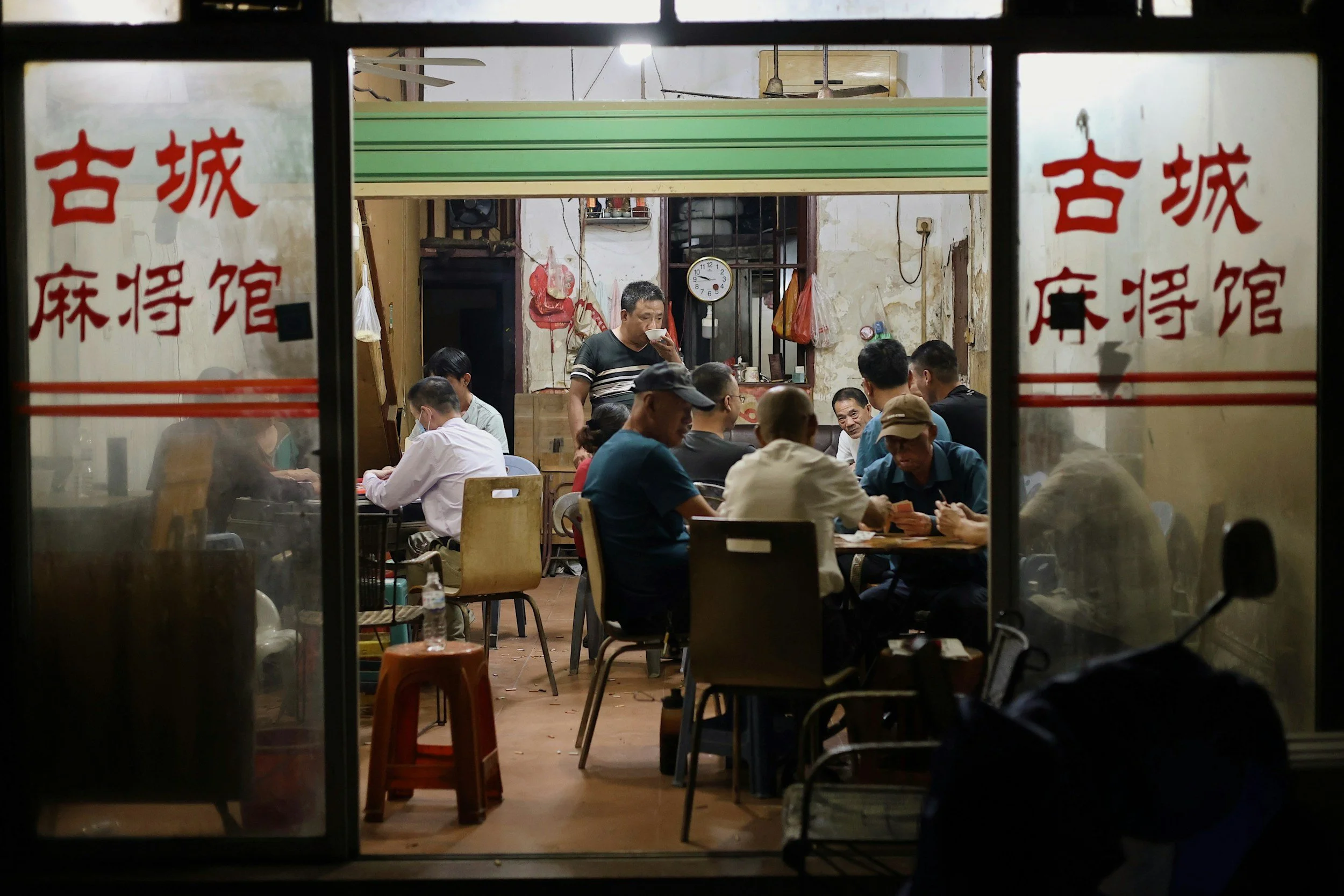
Food historian Ian Mosby captured the essence of this injustice with remarkable clarity: "It was the misfortune of Chinese cooks to be caught with the white powder by their stoves when the American public opinion turned on food additives." The "white powder" language itself reveals the racialization of this moment. Chinese restaurants, already subject to surveillance and suspicion in American culture, became vulnerable targets when food anxieties needed a home.
The economic impact on Asian restaurateurs proved devastating. Many felt compelled to display "No MSG Added" signs in their windows, essentially advertising their cuisine as potentially dangerous by default. Some altered cherished recipes, removing MSG to appease customers' unfounded fears. Business suffered. The stigma reinforced broader stereotypes depicting Asian food as exotic, possibly unclean, certainly suspicious. These narratives had deep historical roots in America, from the Chinese Exclusion Act to persistent immigration restrictions, but the MSG panic gave them a new vehicle of expression.
What makes this story even more troubling is the scientific response. Rigorous, blinded studies consistently failed to demonstrate that MSG causes adverse reactions in the general population. By the 1990s, regulatory agencies including the FDA, WHO, and the European Union had all concluded MSG is safe. The FDA classifies it as Generally Recognized As Safe, the same category as salt and pepper. Yet the stigma persisted, especially in Western consumer consciousness, long after science had provided conclusive exoneration.
The nocebo effect likely played a significant role. Nocebo is the inverse of placebo: if you believe something will make you sick, that belief itself can generate real symptoms. Every time someone saw a "No MSG" sign, it reinforced the underlying message: MSG is something to fear. This priming would inevitably lead some diners to interpret ordinary post-meal sensations as MSG reactions, perpetuating the cycle of false validation.
What we see in the MSG panic is food racism operating through scientific and medical language. The prejudice was real. The harm was real. Immigrant restaurateurs lost business. Their food was othered and questioned. Their culinary traditions were delegitimized. All based on a speculative letter and media sensationalism, not evidence.

Only in recent years has this narrative begun to shift. Asian American chefs and activists have pushed back against the stigma. Ajinomoto's campaigns have worked to reclaim MSG's reputation. Celebrity chefs openly embrace MSG as a legitimate ingredient. In 2020, nearly 52 years after Kwok's letter, Merriam-Webster finally revised its dictionary entry for Chinese Restaurant Syndrome, labeling it a "dated and offensive term."
This reckoning matters because it reveals how food racism operates, how scientific language can mask xenophobia, and how consumer culture can harm entire communities based on manufactured fear. The next time someone claims they avoid MSG due to health concerns, it is worth asking where that belief originated. Chances are, the chain of influence traces back to 1968, to xenophobia, to media sensationalism, and to one of the most successful campaigns of food-based racism in modern Western history.
