Umami: The Fifth Taste That's Reshaping Our Understanding of Flavor, Culture, and Health
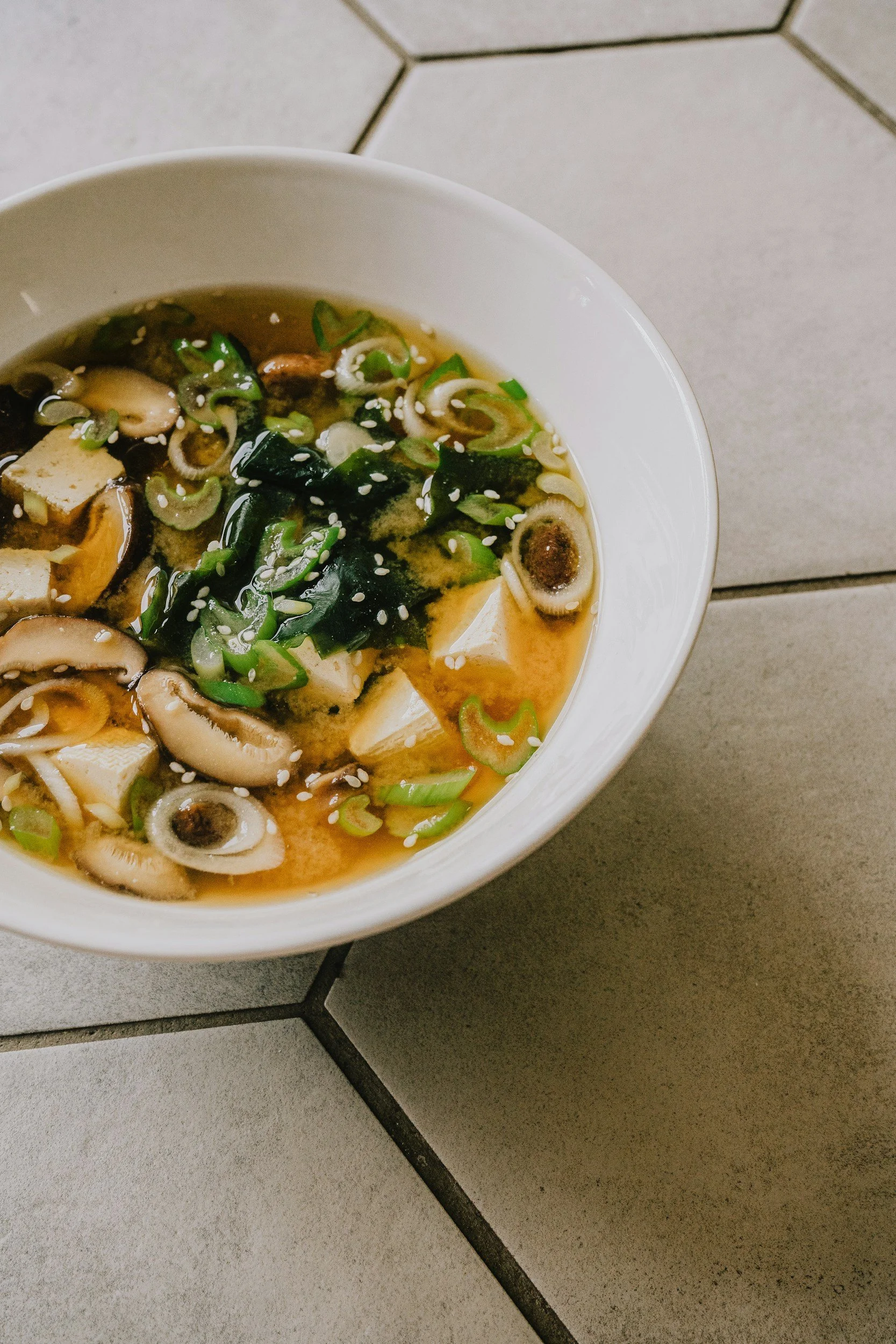
The aroma of simmering miso soup fills a Tokyo kitchen. In a San Sebastián pintxos bar, anchovies glisten atop crusty bread. A Nigerian cook drops a Maggi cube into her stew pot. Across an ocean, a California chef dusts her vegan burger with nutritional yeast. These scenes, separated by geography and culture, share a common thread: the deep, savory satisfaction of umami: the fifth basic taste that science nearly overlooked and the world almost forgot.
For over a century, umami has traveled an extraordinary journey from a Japanese laboratory to global gastronomy, from scientific skepticism to culinary ubiquity, and from racist stigmatization to celebrated sophistication. This is not merely the story of a taste. It is a chronicle of how migration shapes flavor, how prejudice distorts science, and how one molecule, glutamate, connects breast milk to aged Parmesan, traditional dashi to modern plant-based cuisine, and the neuroscience of appetite to the economics of a multi-billion-dollar global market.
As a student of Gastronomic Sciences exploring the intersections of food, culture, and systems, I've come to understand umami as more than a gustatory phenomenon. It represents a case study in how culinary knowledge travels, adapts, and ultimately transforms the way we eat, think about food, and relate to one another across cultural boundaries.
The Breakthrough: When Science Met Seaweed

On an evening in 1907, Japanese chemist Kikunae Ikeda sat down to dinner with his family in Tokyo. As he savored a bowl of tofu in kombu dashi (a traditional broth made from kelp) something struck him. The taste was distinct, profound, satisfying. It was neither sweet nor salty, not sour like citrus or bitter like tea. It was something else entirely, and Ikeda, trained in the rigorous methodologies of physical chemistry under Friedrich Wilhelm Ostwald in Leipzig, decided to investigate.
What followed was a year of meticulous laboratory work. Ikeda analyzed kombu seaweed, isolating and crystallizing its flavor components. In 1908, he extracted approximately 30 grams of monosodium glutamate (MSG) from the kelp, identifying glutamic acid, a common amino acid, as the source of this mysterious savory taste. He named this sensation umami, from the Japanese word meaning "pleasant savory taste" or "deliciousness".
Ikeda's discovery was revolutionary, though it would take decades for the Western scientific establishment to acknowledge it. He had identified not just a flavoring compound but a fundamental taste category, one that would eventually join sweet, sour, salty, and bitter as the five basic tastes recognized by human physiology.
Working with entrepreneur Saburosuke Suzuki, Ikeda commercialized his discovery by 1909, founding what would become the Ajinomoto Company and producing MSG through the hydrolysis of wheat protein. This marked the beginning of MSG's transformation from a laboratory curiosity to one of Japan's great food-science exports, eventually reaching a global market valued at $6.6 billion in 2022 and projected to exceed $9.2 billion by 2028.
The Molecular Architecture of Deliciousness
To understand umami's power, we must descend to the molecular level, where taste receptors on our tongues serve as sophisticated chemical sensors, translating molecular structures into the sensory experiences we call flavo.
Glutamate is far more than a seasoning. As one of the twenty standard amino acids that serve as the building blocks of proteins, glutamate plays a central role in cellular metabolism across virtually all living organisms. In humans, glutamate functions as the principal excitatory neurotransmitter in the central nervous system. Our bodies produce and utilize glutamate constantly, the average diet provides 10 to 20 grams of protein-bound glutamate and approximately 1 gram of free (unbound) glutamate daily.
What distinguishes culinary glutamate is its presence in free form, unattached to protein chains. When free glutamate encounters specialized taste receptor cells on the tongue, it triggers a cascade of neurological signals that the brain interprets as umami.
The Receptor System
The scientific recognition of umami as a distinct basic taste required identifying its specific receptors. This breakthrough came decades after Ikeda's initial discovery. Researchers ultimately identified three types of umami receptors: T1R1+T1R3 (a heterodimeric receptor), mGluR4, and mGluR1. Among these, the T1R1+T1R3 receptor has proven most significant for understanding umami perception in humans.
The T1R1 subunit provides selectivity for umami tastants (particularly L-glutamate and L-aspartate), while T1R3 is functionally co-expressed with both sweet and umami receptor subunits. These receptors don't merely detect glutamate; they integrate complex molecular information, responding to both the taste compound itself and to synergistic enhancers.
The Synergy Effect: When 1 + 1 = 15
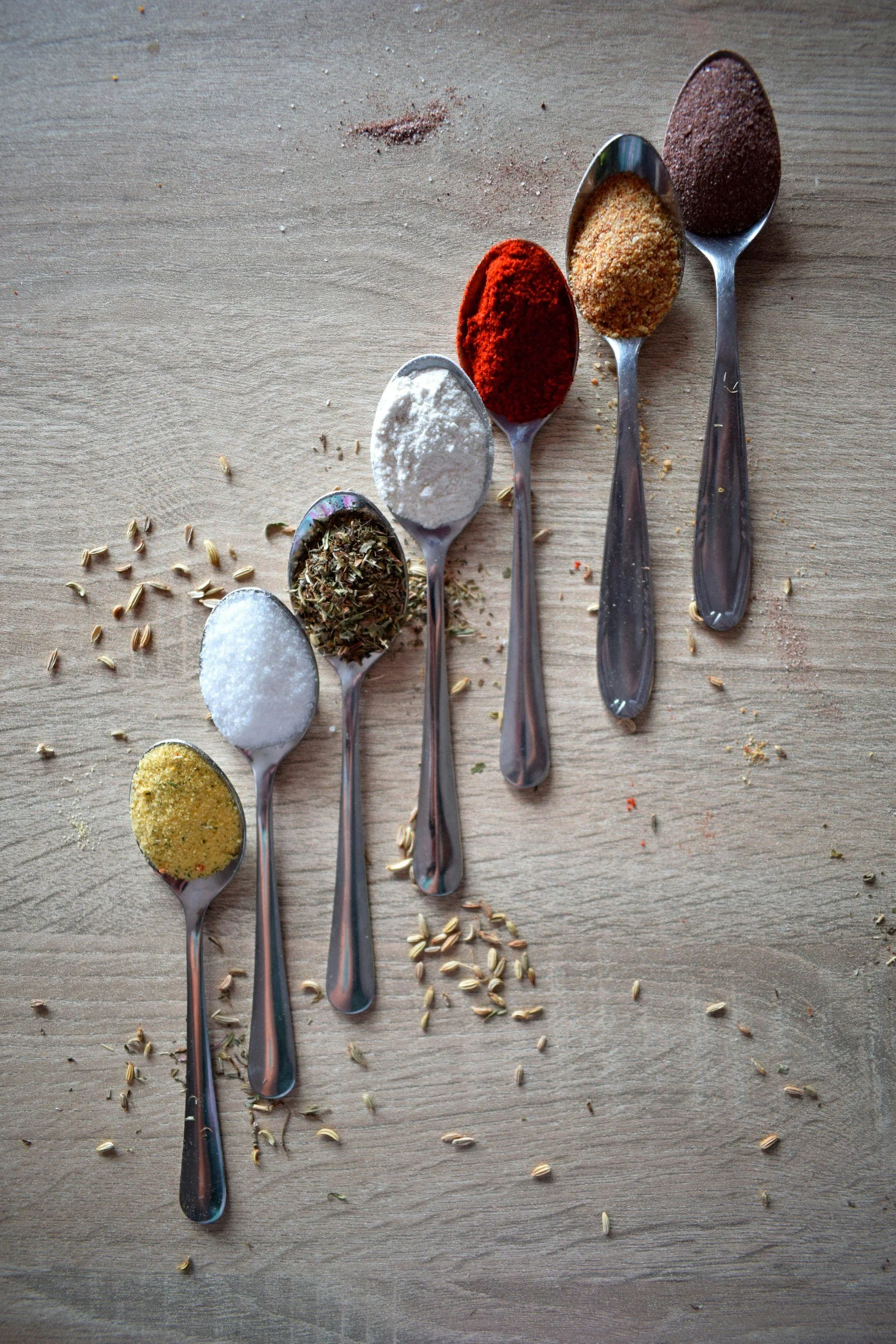
Perhaps the most remarkable characteristic of umami is its synergistic amplification. When glutamate combines with certain 5'-ribonucleotides: specifically inosinate (IMP, found abundantly in meat and fish) or guanylate (GMP, prevalent in mushrooms). The resulting umami intensity increases not additively but exponentially.
Sensory studies have demonstrated that the combination of glutamate and inosinate at a 1:1 ratio produces umami intensity 7 to 8 times greater than either compound alone. Some research suggests this synergy can amplify umami up to 15-fold or even 30-fold depending on the specific combination and concentrations.
This synergistic effect explains why traditional Japanese dashi, made by steeping kombu (rich in glutamate) with katsuobushi or bonito flakes (rich in inosinate), creates such a profoundly satisfying broth. It also illuminates why combining umami-rich ingredients from different sources (tomatoes with Parmesan, mushrooms with soy sauce) produces dishes with exceptional depth and complexity.
At the molecular level, this synergy occurs through the T1R1+T1R3 receptor. Researchers using sweet-umami chimeric receptors and mutagenesis analysis have mapped the binding sites for glutamate and nucleotides within the receptor structure, revealing how these molecules work in concert to produce the heightened response.
From Science to Stigma: The Racialization of a Molecule
The story of MSG and umami in the 20th century is inextricable from the history of xenophobia, particularly anti-Asian racism in the United States. What began as a promising food technology became, for decades, the subject of one of nutrition science's most persistent and damaging myths.
The Birth of a Syndrome
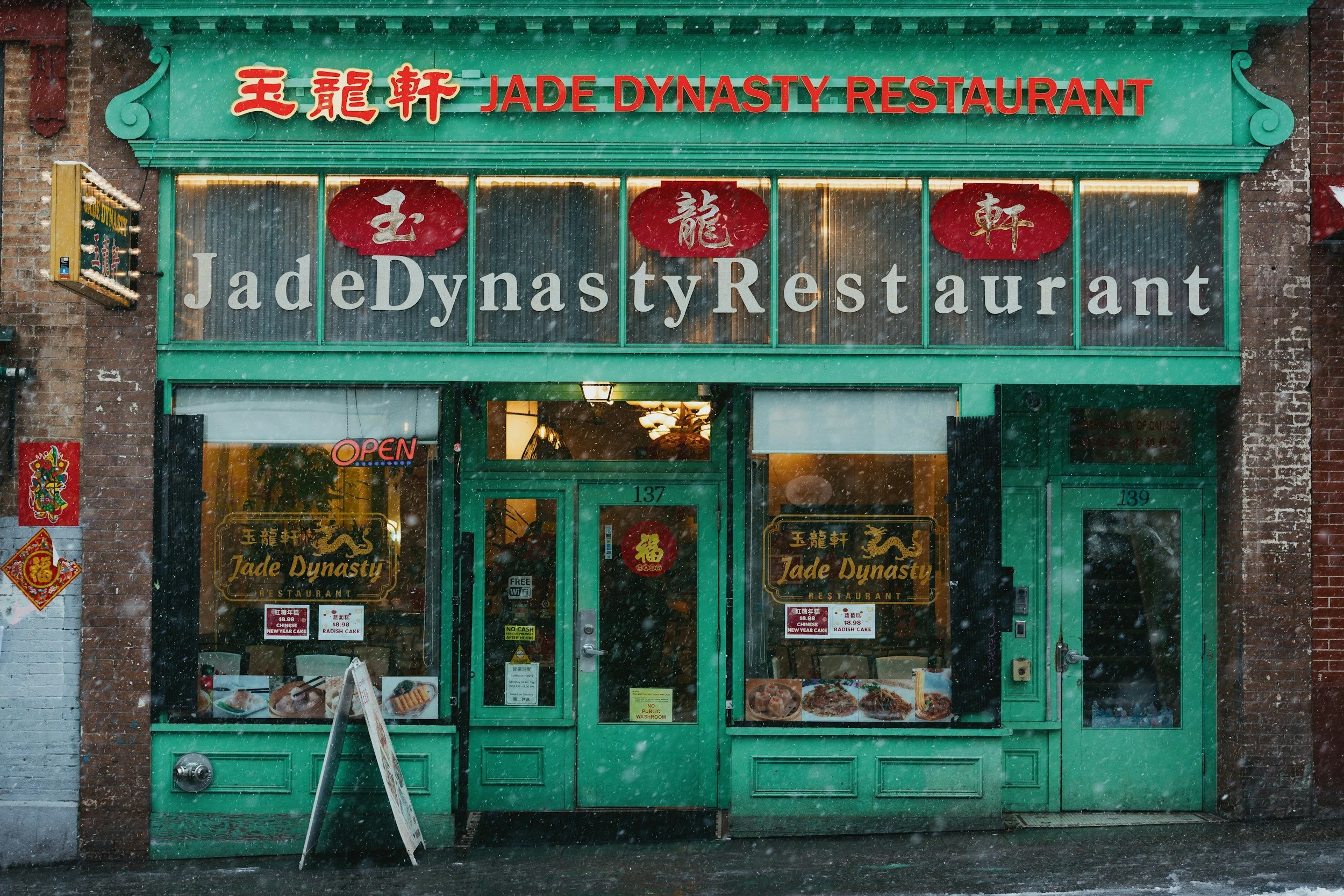
In 1968, the New England Journal of Medicine published a letter to the editor from Dr. Robert Ho Man Kwok, who described experiencing numbness, weakness, and palpitations after eating at Chinese restaurants. He speculated about several possible causes: soy sauce, cooking wine, or "perhaps" MSG. That single speculative letter, which editors later acknowledged was essentially a hoax, unleashed a cascade of media sensationalization and public panic.
The media seized on the story with inflammatory headlines like "Chinese food make you crazy? MSG is No.1 suspect!". Almost overnight, a phenomenon was born: "Chinese Restaurant Syndrome," a term that the Merriam-Webster Dictionary would define (until 2020) as "a group of symptoms that is held to affect susceptible persons eating food and especially Chinese food heavily seasoned with monosodium glutamate".
The naming itself reveals the racism at the heart of the scare. As food historian Ian Mosby observed, "It was the misfortune of Chinese cooks to be caught with the white powder by their stoves when... public opinion turned on food additives". The "syndrome" specifically targeted Asian cuisine, despite MSG's widespread use in American processed foods, snack chips, canned soups, and frozen dinners produced by predominantly white-owned food companies.
The Double Standard
The hypocrisy was stark. Americans consuming Doritos, Campbell's soup, and KFC (all products that contained MSG) rarely complained of symptoms. Yet diners at Chinese restaurants reported headaches, flushing, and anxiety, symptoms now understood to be largely nocebo effects: real physical responses triggered by the expectation of harm rather than by the substance itself.
Chinese and other Asian restaurateurs bore the economic and social burden of this manufactured panic. Many felt compelled to display "No MSG" signs in their windows, effectively advertising their cuisine as potentially dangerous by default. Some altered traditional recipes, compromising flavor to appease customers' unfounded fears. The stigma reinforced broader stereotypes depicting Asian food as exotic, unhealthy, or unclean; tropes with deep roots in American history, from the Chinese Exclusion Act to persistent narratives about Asian restaurant sanitation.
Celebrity chef Anthony Bourdain captured the essence of the issue with characteristic directness: "You know what causes Chinese Restaurant Syndrome? Racism".
What the Science Actually Shows
While media hysteria and anecdotal reports proliferated, rigorous scientific investigation told a completely different story. By the 1990s, extensive research had comprehensively debunked the notion that MSG causes adverse reactions in the general population.
The U.S. Food and Drug Administration (FDA) classifies MSG as Generally Recognized As Safe (GRAS), placing it in the same category as salt, pepper, vinegar, and baking powder. International regulatory bodies concur: the Joint Expert Committee on Food Additives (JECFA) of the United Nations Food and Agriculture Organization (FAO) and World Health Organization (WHO) have repeatedly affirmed MSG's safety.
Crucially, blinded, placebo-controlled studies, the gold standard of clinical research, have consistently failed to demonstrate that MSG causes the symptoms attributed to it when consumed in normal dietary amounts. In these studies, participants given MSG without knowing it (and given placebos they're told is MSG) do not show different rates of symptoms. Even individuals who self-identify as "MSG-sensitive" typically do not react when tested under blinded conditions at typical dietary doses.
A comprehensive 1995 report by the Federation of American Societies for Experimental Biology (FASEB) for the FDA concluded that MSG is safe for the general population. The report did note that a small subset of individuals might experience mild, transient symptoms (headache, tingling) when consuming 3 grams or more of MSG on an empty stomach, an amount far exceeding what's present in normal servings and a scenario rarely encountered in actual eating.
Perhaps most importantly, the body makes no distinction between glutamate from MSG and glutamate naturally present in foods like tomatoes, mushrooms, or Parmesan cheese. Biochemically, they are identical molecules, metabolized through the same pathways. The average person consumes 10 to 20 grams of glutamate from dietary protein daily, compared to approximately 0.5 grams from added MSG in a typical diet.
Umami Unbound: The Global Diversity of Savory Taste
While umami was discovered and named in Japan, the taste itself, and the human capacity to perceive it, is universal. Across cultures and throughout history, cooks have intuited umami's power, developing ingredients and techniques that maximize this savory satisfaction, even without understanding the underlying chemistry.
The Japanese Paradigm
Kimchi and Miso Noodle Soup
Japanese cuisine has refined umami to an art form. Dashi, the foundational broth of Japanese cooking, exemplifies the synergistic principle: kombu seaweed provides glutamate, while katsuobushi (fermented, dried bonito flakes) or niboshi (dried sardines) contribute inosinate. The result is a deceptively simple broth of extraordinary depth and complexity, forming the backbone of miso soup, udon broths, and countless other dishes.
Fermentation and aging further amplify umami. Soy sauce, miso, and natto all derive their characteristic savory intensity from fermentation processes that break down soy proteins, releasing free glutamate. In the case of miso, the fungus Aspergillus oryzae (koji mold) performs this transformation, its enzymes catalyzing proteolysis—the breakdown of proteins into constituent amino acids.
Kimchi and Miso Noodle Soup
Dried shiitake mushrooms, another umami powerhouse, contain approximately 1,060 mg of free glutamate per 100 grams, about 15 times more than fresh shiitake. This concentration through drying is a recurring theme in umami-rich ingredients across cultures.
European Expressions
Italy's culinary traditions have long harnessed umami, though Italian cooks would not have used that term until recently. Parmigiano-Reggiano stands as one of the world's most concentrated natural sources of glutamate, containing approximately 1,680 mg per 100 grams…even more than miso or soy sauce. The lengthy aging process (typically 12 to 36 months or longer) allows proteolytic enzymes to break down milk proteins, liberating glutamate and creating the cheese's characteristic crystalline texture and intense savory flavor.
Tomatoes, central to Italian and Mediterranean cuisine more broadly, are naturally rich in glutamate, with sun-dried tomatoes concentrating this flavor even further (650-1,140 mg/100g compared to 246 mg/100g for fresh). The combination of aged Parmesan and tomatoes, as in a simple pasta al pomodoro, creates a synergistic umami explosion, though few Italian grandmothers would have articulated it in those terms.
Ancient Rome had garum, a fermented fish sauce produced through protein hydrolysis that combined umami with saltiness. While garum's production died out with the fall of the Empire, its modern descendants, from Italian colatura di alici to Southeast Asian fish sauces, continue the tradition.
Asian Diversity
Beyond Japan, Asian culinary traditions showcase remarkable umami diversity. Korean kimchi gains its complex, savory funk from lactic acid fermentation of cabbage combined with glutamate-rich ingredients like fish sauce, shrimp paste, or fermented soybean pastes. The fermentation process itself generates additional glutamate as microbial enzymes break down vegetable proteins.
Chinese cuisine employs soy sauce, fermented black beans, various broths, and oyster sauce as umami foundations. The long-standing practice of slow-simmering bones and meat to create rich stocks exemplifies an intuitive understanding of how heat and time release glutamate from protein sources.
Southeast Asian fish sauce (Vietnamese nước mắm, Thai nam pla) achieves its umami intensity through months-long fermentation of salted anchovies or other small fish, during which the fish's own digestive enzymes hydrolyze proteins into a liquid rich in free amino acids.
The African Story
West African cuisine's embrace of bouillon cubes, particularly Maggi brand, represents a fascinating chapter in umami's global journey. Introduced by European manufacturers in the early 20th century, these MSG-rich cubes became deeply embedded in West African culinary identity. Today, Maggi sells over 100 million cubes daily in West Africa alone.
Nigerian food writer Yemisi Aribisala has documented how Maggi cubes became so essential to Nigerian cooking that many dishes are considered incomplete without them. The "secret" to her father's traditional soup was always a Maggi cube, she recalls: a perfect illuration of how industrial umami products can integrate into authentic culinary traditions rather than replacing them.
The Mediterranean Connection
The Mediterranean diet, widely studied for its health benefits, is inherently rich in umami. Beyond the tomatoes and aged cheeses already mentioned, anchovies feature prominently in Spanish, Italian, and French cooking. The classic Spanish pintxo called "Gilda" (a skewer of anchovy, olive, and pickled pepper) delivers an umami punch described as "salty, tangy, and full of umami".
Basque cuisine, practiced in the gastronomic capital of San Sebastián (where I'm currently studying), exemplifies sophisticated umami deployment. Traditional dishes like marmitako (tuna stew) and the ubiquitous anchovies in pintxos bars showcase seafood's natural inosinate. The Basque Culinary Center has even hosted specific educational programming on umami, recognizing its central role in flavor development.
The Neuroscience of Satisfaction: Why Umami Feels So Right
The pleasure we derive from umami is not arbitrary. Evolution has shaped our gustatory system to respond positively to compounds that signal the presence of protein, a nutritional imperative for survival.
Infant Exposure
The first food any human consumes, breast milk, is remarkably rich in free glutamate. Glutamate constitutes 44.17% of the free amino acids in human breast milk, at concentrations approximately 40 times higher than in maternal plasma. This disparity suggests active transport and regulation: the mammary gland deliberately concentrates glutamate for delivery to nursing infants.
Even before birth, fetuses are exposed to glutamate through amniotic fluid. From the earliest moments of sensory experience, humans are primed to recognize and respond positively to this taste.
Interestingly, glutamate levels in breast milk increase during the first three to six months of lactation, rising from approximately 1.25 mM to 1.75 mM. Glutamine, the second most abundant free amino acid, shows an even more dramatic relative increase of nearly 350%. These dynamic changes throughout lactation suggest that free glutamate and glutamine serve important developmental functions beyond basic nutrition, potentially including support for rapidly developing intestinal and immune systems.
Brain Responses

Neuroimaging studies have revealed the neural substrates of umami's pleasantness. Functional MRI research shows that umami taste activates the orbitofrontal cortex and anterior cingulate cortex, brain regions associated with reward processing, pleasantness encoding, and appetite regulation.
Remarkably, umami appears to activate these reward centers more strongly than the sum of its component taste and olfactory signals presented separately. This supralinear integration, where the combined effect exceeds the simple addition of individual effects, may explain why umami-rich foods feel so deeply satisfying and why glutamate has earned its reputation as a "flavor enhancer".
Recent research suggests umami may influence eating behavior through neurocognitive pathways. A 2018 study found that consuming MSG-containing broth improved inhibitory control (the ability to resist impulses) in participants with high eating disinhibition, individuals prone to overeating. The same participants showed reduced saturated fat intake during subsequent meals and increased activation in the dorsolateral prefrontal cortex, a brain region associated with self-control during food choices.
These findings hint at intriguing possibilities: umami might facilitate healthier eating behaviors, enhance satiety, and support better dietary self-regulation. While preliminary, such research positions umami not as a dietary villain but as a potential tool for improving nutritional outcomes.
The Satiety Signal
Multiple studies indicate that umami-rich foods promote satiety, the feeling of fullness that signals meal termination. Broths containing glutamate appear to increase satiety more effectively than sweet or bland preloads, with particularly pronounced effects in women with high eating disinhibition or excess weight.
This satiety effect likely involves multiple mechanisms: taste receptor signaling in the mouth, glutamate receptor activation in the gastrointestinal tract, and vagus nerve communication between the gut and brain. The body treats dietary glutamate as an informative signal about protein availability, triggering appropriate metabolic and behavioral responses.
The Plant-Based Revolution: Umami Without Animals
As global dietary patterns shift toward plant-based eating for health, environmental, and ethical reasons, umami has emerged as a critical tool for creating satisfying vegetarian and vegan foods. The challenge: replicating the savory depth traditionally provided by meat, fish, and aged dairy products.
Mushroom Magic
Mushrooms stand at the forefront of plant-based umami solutions. Shiitake mushrooms contain high levels of guanylate, while mushrooms generally concentrate glutamate, especially when dried. The global umami flavors market reflects this: mushroom-based umami sources are projected to capture 65% of market share by 2025, valued for their natural glutamate richness and authentic savory profile.
Beyond their chemical composition, mushrooms offer meaty texture and earthiness that make them ideal centerpieces for plant-based main dishes. Dried shiitakes rehydrated in water yield an intensely umami-rich liquid that can serve as a stock base, capturing both glutamate and guanylate.
The Fermentation Factor
Fermented plant products deliver concentrated umami while adding probiotic benefits and extending shelf life. Miso, made from fermented soybeans (or other legumes) with Aspergillus oryzae, contains abundant free glutamate released during fermentation. White, yellow, and red miso offer varying intensities and flavor profiles, with longer-fermented dark misos generally providing stronger umami.
Soy sauce and tamari (a generally gluten-free soy sauce variant) result from similar fermentation processes, producing liquid seasonings dense with glutamate. These versatile ingredients can be incorporated into dressings, marinades, glazes, and sauces to boost savory depth in plant-based dishes.
Kimchi, the Korean fermented vegetable staple, exemplifies how fermentation transforms humble ingredients. Lactic acid bacteria break down cabbage proteins, releasing glutamate while creating complex flavor compounds. The addition of glutamate-rich seasonings like fish sauce (or vegan substitutes like miso) further amplifies umami.
Nutritional Yeast: The Vegan Secret Weapon
Nutritional yeast has become a staple in plant-based kitchens, prized for its cheesy, savory flavor profile derived from high glutamate content. As a deactivated yeast (Saccharomyces cerevisiae), it provides not only umami but also B vitamins, including B12, a nutrient often lacking in vegan diets.
Plant-based cooks sprinkle nutritional yeast over popcorn, blend it into cashew-based "cheese" sauces, incorporate it into scrambles and frittatas, or use it to create vegan parmesan alternatives. Its versatility and nutritional profile make it a rare ingredient that enhances both flavor and health.
Tomatoes and Other Vegetables
Ripe tomatoes, particularly sun-dried or roasted varieties, concentrate glutamate effectively. Roasting tomatoes triggers the Maillard reaction (the browning that occurs when amino acids and sugars interact under heat), further intensifying umami notes.
Other vegetables contribute meaningful umami as well: green peas (106 mg/100g), corn (106 mg/100g), potatoes (102 mg/100g), and even carrots and onions provide free glutamate. Strategic vegetable selection and cooking methods (roasting, caramelizing, grilling) can elevate the umami profile of plant-forward dishes considerably.
The Market Response
The global shift toward plant-based diets has driven innovation in umami flavor development. The umami flavors market, valued at $5.1 billion in 2025, is projected to reach $8.82 billion by 2035, growing at a compound annual growth rate (CAGR) of 7.3%. Significantly, natural umami sources (as opposed to synthetic) are expected to account for 60% of market share in 2025, reflecting consumer demand for clean-label, recognizable ingredients.
Market growth is particularly strong in regions embracing plant-based eating: India's umami flavors market is projected to grow at a remarkable 15.6% CAGR, while the UK (10.1%), US (10.0%), and Japan (12.9%) all show robust expansion. This growth directly correlates with increasing interest in vegetarian and vegan diets, which require flavorful alternatives to animal-derived umami sources.
The Economics of Savory: Umami as Big Business
Umami is no longer merely a taste;it's a global industry generating billions of dollars annually and influencing everything from food manufacturing to restaurant menus to agricultural practices.
The MSG Market
The global monosodium glutamate market reached approximately $6.6 billion in 2022 and is projected to exceed $9.2 billion by 2028, growing at a CAGR of 5-6%. Asia-Pacific leads global MSG consumption, driven by the widespread use in instant noodles, snacks, seasonings, and restaurant cooking.
Ajinomoto Company, founded on Ikeda's original discovery, commands an 18.2% share of the global MSG market and dominates with 63% market share in Japan's domestic market. The company's annual sales exceed 1.5 trillion yen (approximately $10 billion USD), spanning seasonings, processed foods, pharmaceuticals, and even electronic materials.
In Malaysia, Ajinomoto holds an 80% market share in MSG, with approximately 73% of sales coming from consumer products (MSG and flavored seasonings) and the remainder from industrial sales to processed food producers. The company's export focus has created growth opportunities in international markets while maintaining strong domestic positions.
The Natural Umami Surge
Beyond pure MSG, the market for natural umami flavor solutions (yeast extracts, fermented sauces, mushroom concentrates, tomato extracts, and flavor blends) is experiencing rapid expansion. Valued at approximately $5 billion in 2025, this segment is expected to grow at 7% annually, reaching $8-9 billion by 2035.
This growth reflects the "clean label" trend: consumers increasingly prefer ingredients they recognize and perceive as natural. Food manufacturers are responding by replacing synthetic additives with natural umami boosters like hydrolyzed vegetable protein, yeast extract, and mushroom powder.
The irony, of course, is that these "natural" alternatives are often functionally equivalent to MSG—they're glutamate-rich ingredients in disguise, sometimes containing even more free glutamate than pure MSG would provide. Yet their marketing success demonstrates the enduring power of perception over chemistry in food choices.
Regional Market Dynamics
Umami consumption patterns reflect cultural tastes and culinary traditions. East Asian cuisines traditionally use more umami: the 97.5th percentile of MSG intake in South Korea reaches 4 grams per day, compared to 1 gram per day in many Western countries. West Africa and Latin America show strong regional markets for bouillon cubes packed with MSG, which have become everyday cooking staples.
In contrast, Western markets are experiencing rapid growth from a lower baseline as consumers discover umami through trending Asian cuisines and plant-based products. The popularization of ramen, Korean food, Japanese cooking techniques, and umami-forward restaurants has primed Western palates for savory depth.
Restaurant Industry Impact
Restaurants and foodservice operations significantly influence umami economics. Trendy chefs and fast-casual chains have popularized umami-forward dishes "umami burgers," parmesan truffle fries, miso-glazed vegetables, all indirectly boosting sales of umami ingredients.

The Umami Burger chain, founded in Los Angeles in 2009, exemplifies branding built entirely around the fifth taste. Founder Adam Fleischman constructed menus maximizing umami-rich ingredients (mushrooms, seaweed kombu, Parmesan, roasted tomatoes, fermented sauces) and openly marketed umami as a sophisticated culinary concept. While the chain has faced business challenges, it demonstrated that umami could serve as a differentiation strategy in the competitive restaurant landscape.
Current culinary trends for 2025 emphasize Asian and South American cuisines, both naturally rich in umami. Chef interviews consistently highlight fermentation, mushrooms, and umami techniques as key directions for contemporary cooking. The Unilever Food Solutions Future Menus initiative, for instance, spotlights Chinese, Japanese, Korean, and Mexican flavors (all umami-forward traditions) as driving growth in professional kitchens worldwide.
Sustainability and Circularity: Umami from Waste
One of the most promising contemporary applications of umami involves turning food industry side streams, materials typically discarded or downgraded to animal feed, into valuable flavor ingredients through fermentation and biotechnology.
The Problem of Food Waste
Globally, 14% of food industry side streams, perfectly edible material, go to waste before even reaching retail shelves. These include plant milk press cakes, vegetable processing waste, brewer's spent grain, and other high-moisture, easily spoiled biomasses. Managing this waste creates economic costs and environmental impacts while representing a massive missed opportunity for resource utilization.
The Umami Solution
Finnish companies like Nordic Umami Company (also known as BioMush) have developed multistage fermentation processes that transform food side streams into clean-label umami broths and seasonings. These technologies harness beneficial microorganisms to break down proteins in underutilized biomasses, releasing the hidden umami flavors within.
The resulting products serve multiple functions: they provide natural, soy-free, gluten-free umami for plant-based foods (helping make them "so delicious you'll never miss eating meat again," as one company tagline promises), they reduce food waste, and they operate within circular economy principles.
Ajinomoto has implemented similar circularity at industrial scale. The company uses nearly 100% of the nutritionally rich by-products remaining after extracting amino acids from fermentation processes, converting them into fertilizers and animal feeds. This bio-cycle approach, implemented across fermentation facilities worldwide, supports sustainable agriculture while reducing greenhouse gas emissions.
Plant-Based Synergy
The convergence of umami flavor technology with plant-based food development creates powerful synergies. Alternative proteins often struggle with palatability, they lack the savory depth that makes animal products satisfying. As Nordic Umami Company notes, umami "indicates the presence of protein in food" and "its absence makes loving plant-based alternatives a little harder".
By extracting umami from plant-based side streams and reincorporating it into plant-based finished products, circular systems simultaneously solve waste problems and palatability challenges. This approach aligns with consumer demand for natural, sustainable ingredients while enabling the flavor improvements that plant-based foods need to appeal to mainstream consumers.
Health Implications: From Salt Reduction to Longevity
Beyond pleasure and profit, umami offers tangible health benefits, particularly in addressing one of modern nutrition's most pressing challenges: excess sodium consumption.
The Sodium Crisis
Excessive salt intake drives cardiovascular disease, stroke, chronic kidney disease, and premature mortality globally. Despite decades of public health campaigns, sodium consumption far exceeds recommended guidelines in most populations. The challenge: salt provides not just sodium but also flavor. Simply reducing salt often renders food unpalatable, undermining compliance.
MSG contains approximately 23% less sodium than table salt (12% sodium by weight versus 39% for NaCl). More importantly, umami substances can enhance palatability even when salt is reduced, essentially "filling in" for some of the flavor typically provided by sodium chloride.
Multiple studies demonstrate this potential. A 2022 analysis of UK dietary data found that incorporating umami substances into certain foods could reduce population-level salt intake by 9.09-18.59% (equivalent to 0.45-0.92 grams per day) without compromising taste. A parallel analysis of US data (NHANES 2017-2018) found similar results, with potential sodium reductions of 9.10-18.59%.
These are meaningful reductions. Given that each 1 gram per day increase in sodium intake associates with a 0.6 mmHg increase in systolic blood pressure and approximately 4% increase in cardiovascular events, population-level salt reduction through umami incorporation could yield substantial public health benefits.
The Mediterranean Diet Connection
The Mediterranean diet, repeatedly demonstrated to reduce cardiovascular disease, diabetes, cancer, and cognitive decline by 30% or more, is inherently rich in umami. Tomatoes, aged cheeses, anchovies, olives, and other Mediterranean staples provide abundant glutamate.
While the diet's benefits derive from multiple mechanisms, healthy fats, fiber, antioxidants, gut microbiota modulation, umami likely contributes by making vegetables, legumes, and whole grains more palatable and satisfying, thereby supporting adherence. The Mediterranean dietary pattern achieves the seemingly contradictory goals of being both healthy and delicious, and umami plays an underappreciated role in that balance.
The Rehabilitation: Reclaiming MSG's Reputation
After decades of stigmatization, MSG is experiencing a remarkable cultural rehabilitation, driven by chefs, food writers, Asian-American activists, and the relentless accumulation of exonerating scientific evidence.
Culinary Champions
Influential chefs have begun openly embracing MSG as a legitimate ingredient. Heston Blumenthal, the three-Michelin-star British chef known for scientific cooking, has called the anti-MSG scare "complete nonsense," noting there's "not a single scientific paper proving harm". David Chang, the Korean-American chef behind the Momofuku restaurant empire, has extolled MSG in his recipes and interviews, describing it as "simply sodium attached to glutamate—something your body produces naturally and needs to function".
These voices lend culinary credibility to MSG, reframing it from an industrial adulterant to a tool akin to salt or lemon juice that chefs shouldn't fear using. When respected culinary authorities normalize MSG, it signals to home cooks and diners that previous fears were unfounded.
Corporate Campaigns

Ajinomoto has invested heavily in campaigns to reshape MSG's image. The company launched the "KnowMSG" social media campaign targeting millennials and Gen Z, the "World Umami Forum" educational initiative in New York, and several other efforts to communicate MSG's safety and bridge the semantic gap between the stigmatized term "MSG" and the more acceptable "umami".
Perhaps most impactfully, Ajinomoto's "RedefineCRS" campaign successfully pressured Merriam-Webster to revise its definition of "Chinese Restaurant Syndrome." The dictionary now labels the term "dated" and "offensive," acknowledging that scientific research has not found a link between MSG and the reported symptoms. This symbolic victory, amplified by Asian-American celebrities on social media, signaled that the culinary world is ready to move past the stigma.
The "CancelPizza" TikTok campaign exemplifies creative public education. Ajinomoto created satirical videos calling to "ban pizza" because it's "loaded with natural glutamates" exposing the hypocrisy of demonizing MSG in Chinese food while celebrating glutamate-rich Italian dishes. The campaign generated over 42 million hashtag views, a massive spike in searches about MSG safety, and measurable shifts in sentiment, with a reported 39% lift in favorability among young consumers.
Honest Branding
Some brands have gone further, proudly centering MSG in their marketing. UK startup Honest Umami launched in 2024 with an explicit mission to "rehabilitate MSG's reputation" by selling MSG-based seasoning products with transparent labeling. Co-founder Rob Miller was frustrated by food industry dishonesty: companies using MSG while vilifying it or hiding it under terms like "hydrolyzed protein".
Honest Umami's playful, kitchen-friendly packaging normalizes MSG as an everyday ingredient, positioned alongside salt and pepper. The brand's name itself cheekily references the semantic divide: many products tout "umami" while concealing MSG, but Honest Umami makes explicit what others obscure.
These branding strategies reflect a bet that younger, more scientifically literate consumers will respond positively to transparency and reject outdated stigmas. Early results suggest that bet may be paying off.
Looking Forward: The Future of Umami
As umami research, applications, and appreciation continue expanding, several trajectories appear particularly promising.
Emerging research on sensory-hedonic patterns (individual differences in how people perceive and respond to tastes)suggests that umami sensitivity varies considerably across populations. Some individuals show heightened umami sensitivity coupled with strong preferences for savory foods, while others demonstrate lower sensitivity or responsiveness.
Understanding these individual differences could enable personalized dietary recommendations. For instance, individuals with high umami sensitivity might achieve salt reduction goals more easily using glutamate-enhanced foods, while those with lower sensitivity might require different strategies. As precision nutrition advances, umami phenotyping may become a valuable tool for tailoring dietary interventions.
Researchers are developing sophisticated biosensors for detecting umami substances in food products, using bionic elements that mimic the T1R1/T1R3 receptor system. These technologies could enable rapid, accurate umami quantification for quality control in food manufacturing, authenticity verification, and even real-time flavor optimization during cooking.
Future developments might include portable devices allowing chefs or home cooks to measure umami levels in dishes, facilitating precise flavor balancing. Such tools could democratize umami expertise, making sophisticated flavor manipulation accessible beyond professional kitchens.
As global food systems grapple with the environmental impacts of animal agriculture, umami will likely play a central role in facilitating dietary transitions. Plant-based and cultivated meat products succeed or fail largely on taste and satisfaction, domains where umami proves crucial.
Continued innovation in extracting umami from sustainable plant sources, optimizing fermentation for umami generation, and formulating products that deliver meat-like savory depth will determine whether alternative proteins can achieve mainstream adoption. The economic incentives are substantial: the alternative protein market represents a potential $290 billion opportunity by 2035, and umami technology sits at the intersection of this market and consumer acceptance.
Cultural Fusion and Diaspora Cuisines
Culinary trends increasingly favor fusion approaches that blend elements from multiple traditions. Korean tacos, sushi burritos, miso-glazed Brussels sprouts, these hybrid creations often succeed because they combine umami elements from different culinary systems, creating novel yet recognizable flavor profiles.
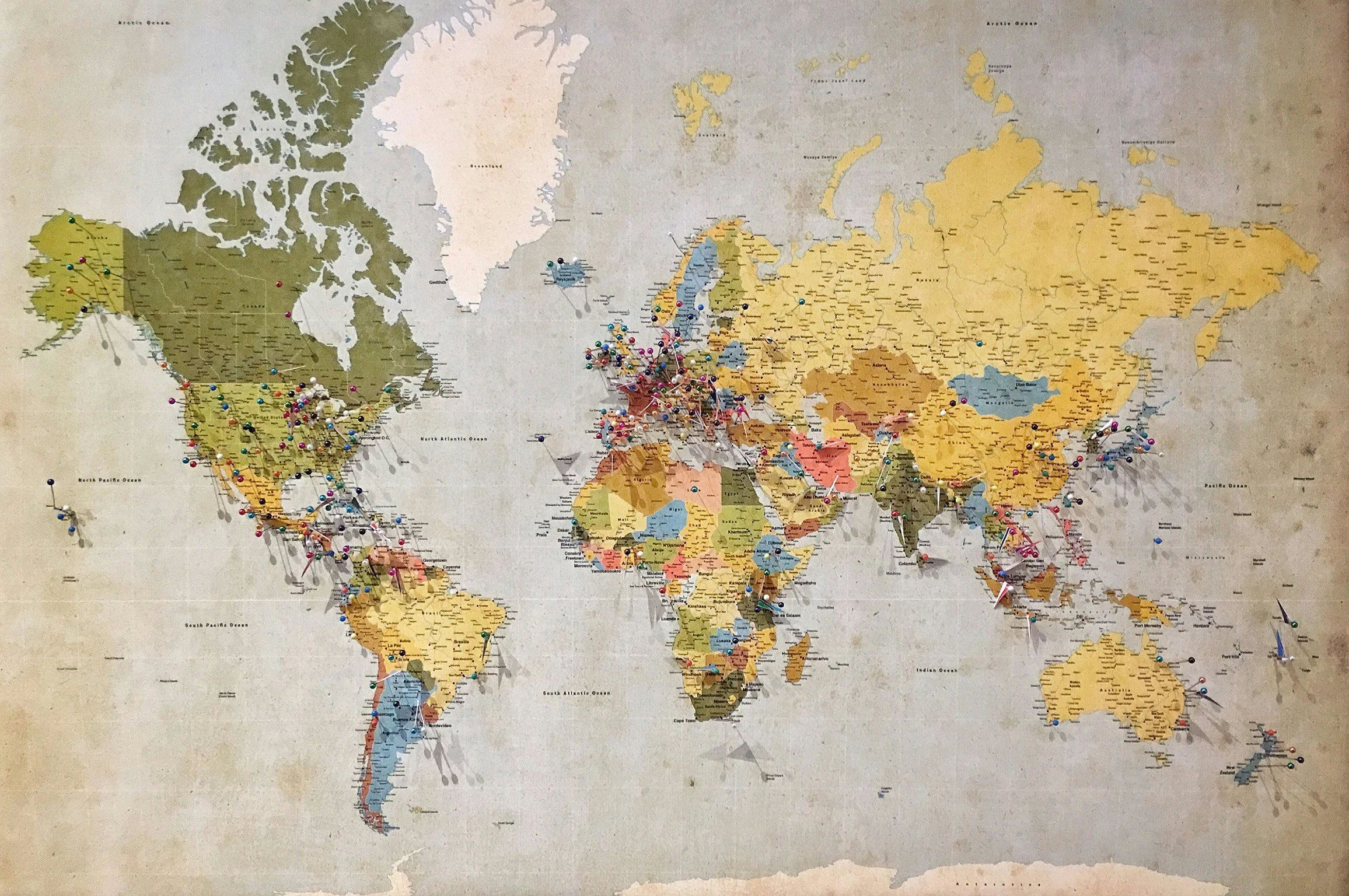
As migration continues to reshape food cultures globally, diaspora communities will keep introducing umami-rich ingredients and techniques to new contexts. Food historians and anthropologists increasingly recognize cuisine as dynamic rather than static, shaped by necessity, creativity, and exchange. Umami, being universal, serves as a "bridge flavor" that facilitates this cross-cultural culinary dialogue.
Addressing Open Scientific Questions
Despite a century of research since Ikeda's discovery, umami still poses unresolved puzzles. Scientists continue investigating the molecular basis for umami's apparent tactile component, the mouthfeel or "body" that umami imparts beyond pure taste. The question of why pure umami solutions taste unpleasant (umami seems to require context from other flavors or food matrices) remains incompletely understood.
The functional significance for human health and nutrition of umami detection merits further study. Beyond signaling protein presence, does umami perception influence metabolic processes, appetite regulation, or nutritional status in ways we haven't yet characterized? And how do umami receptors in the gastrointestinal tract (not just on the tongue) contribute to digestion, satiety, and metabolic health?
Future research "aimed at understanding these and other open issues will profitably engage scientists in umami research well into the next century," as one comprehensive review concluded.
Umami as Cultural Connector
The story of umami, from Ikeda's laboratory to today's global gastronomy, illuminates how scientific discovery, cultural exchange, economic forces, and human bias intersect in shaping what and how we eat.
Umami is a molecule and a market, a taste and a tradition, a scientific fact and a cultural construct. It reminds us that glutamate in Parmesan and MSG in ramen are identical, that Japanese dashi and Italian tomato sauce employ the same fundamental principle of synergistic flavor building, and that the first taste any human experiences, mother's milk, primes us for a lifetime of umami appreciation.
The MSG stigma reveals the insidious ways xenophobia infiltrates seemingly neutral domains like food science, causing real economic and social harm to immigrant communities while obscuring scientific truth. The stigma's gradual dissolution demonstrates that evidence, advocacy, and cultural shifts can eventually overcome entrenched prejudices though the process takes decades and requires sustained effort.
As a student at the Basque Culinary Center in San Sebastián, immersed daily in a food culture that intuitively understands umami (even if it more often uses Spanish or Basque terms), I've come to appreciate how universal taste experiences manifest through particular cultural expressions. The anchovies in a Gilda pintxo and the katsuobushi in dashi employ different ingredients, techniques, and contexts, yet both deliver that essential savory satisfaction that brings people back for another bite.
Looking ahead, umami offers practical solutions to pressing challenges: making plant-based foods more satisfying to ease environmental burdens, reducing salt intake to improve cardiovascular health, valorizing food waste to enhance sustainability, and creating flavors that bring people together across cultural divides.

Perhaps most fundamentally, umami reminds us that what seems exotic or strange often proves familiar upon investigation. The fifth taste, discovered in Japan but present in cuisines worldwide, demonstrates that human sensory biology transcends cultural boundaries. We are all umami tasters, whether we're savoring miso soup in Tokyo, pasta al pomodoro in Rome, kimchi jjigae in Seoul, or Maggi-seasoned stew in Lagos.
In an increasingly connected yet fractured world, umami (delicious, scientifically validated, economically powerful, and fundamentally universal) offers a taste of what's possible when we approach difference with curiosity rather than fear, when we let evidence guide understanding, and when we recognize that the deepest satisfactions often come from flavors that connect us to both our evolutionary past and our multicultural present.
The fifth taste is everywhere. We've only just begun to understand its potential
About the Author: As a graduate student in Gastronomic Sciences at the Basque Culinary Center in San Sebastián, Spain, I explore the intersections of food science, culture, and sustainability. This article represents research in preparation for my master's thesis on umami. Connect with me at melinmotion.com.
Sources
File: Umami and MSG in Marketing & Advertising:
File: Slide 1: Umami's Global Rise – Flavor, Marketing, and Diaspora
Ajinomoto Group. "Who Identified Umami and When?" (Discovery of Umami)
Kurihara K. "Umami the Fifth Basic Taste: History of Studies on Receptor Mechanisms and Role as a Food Flavor." BioMed Research International, 2015
Nelson G, et al. "Human receptors for sweet and umami taste." PNAS, 2002
Wikipedia. "Kikunae Ikeda"
Kurihara K. "Umami the Fifth Basic Taste: History of Studies on Receptor Mechanisms and Role as a Food Flavor." NIH/PMC, 2015
Liu D, et al. "Expression and function of umami receptors T1R1/T1R3 in gastric cancer." NIH/PMC, 2019
Wikipedia. "Umami"
Kurihara K, et al. "Umami the Fifth Basic Taste." PubMed, 2015
Dang Y, et al. "Taste receptors for umami: the case for multiple receptors." NIH/PMC, 2011
Umami Information Center. "Kikunae Ikeda"
Yamaguchi S. "The discovery of umami." Taiwan MSG Association, 2002
Nie Y, et al. "The structure features of umami hexapeptides for the T1R1/T1R3 receptor." Science Direct, 2016
San-Gabriel A, et al. "Glutamate: from discovery as a food flavor to role as a basic taste (umami)." PubMed, 2009
San-Gabriel A, et al. "Glutamate: from discovery as a food flavor to role as a basic taste." Science Direct, 2009
Jiang X, et al. "Understanding the molecular mechanism of umami recognition by T1R1-T1R3 using molecular dynamics simulations." Science Direct, 2019
Glutamate Association. "Scientific Evaluations of Monosodium Glutamate Safety"
Daily Free Press. "The taste of xenophobia: MSG | Identity Unveiled," 2024
Spunky Food. "Monosodium glutamate (MSG) Overview," 2024
Zanfirescu A, et al. "A review of the alleged health hazards of monosodium glutamate." NIH/PMC, 2019
Food Facts. "Umami under attack: the weird history of MSG racist panic," 2025
Mental Health America. "What is Glutamate?"
Wikipedia. "Monosodium glutamate"
BBC News. "'Chinese Restaurant Syndrome' - what is it and is it racist?" 2020
Yeast Extract Info. "How much glutamate is in foods and dishes?" 2014
FDA. "Questions and Answers on Monosodium glutamate (MSG)," 2018
Duke Arts. "Michelle Liang '23: From MSG to COVID-19 - The Politics of America's Fear of Chinese Food," 2023
MSG Dish. "What Foods Naturally Contain MSG?" 2024
Barea B, et al. "Monosodium glutamate as a tool to reduce sodium in foodstuffs." NIH/PMC, 2017
Glutamate Association. "Correcting the Record about 'Chinese Restaurant Syndrome'," 2024
NSW Food Authority. "MSG," 2024
Umami Information Center. "What is Umami"
Dinings. "Umami Taste in Japanese Cuisine," 2025
Magerowski G, et al. "Neurocognitive effects of umami: association with eating behavior and food choice." NIH/PMC, 2018
Ramen Chemistry. "Umami Science Part III - Umami Synergy," 2015
Yaki Nori. "What is Umami? The Flavor Behind Japanese Cuisine," 2025
Rolls ET, et al. "Functional neuroimaging of umami taste." PubMed, 2009
Mètode. "La ciència a la taula: Umami, el cinquè sabor"
Taylor CL, et al. "Mechanisms of umami taste perception." Taylor & Francis Online, 2022
Sugimoto. "Dried Shiitake's 3rd Umami provides the synergy," 2023
Umami Information Center. "Umami Culture around the World"
Long Dom. "Perceived Palatability and Appetite for Protein by Umami"
Zhang F, et al. "Molecular mechanism for the umami taste synergism." PNAS, 2008
Umami Foods. "Umami: International Roots"
Yeomans MR, et al. "Umami and the control of appetite." Wiley Online Library, 2017
Future Market Insights. "Umami Flavors Market Size & Trends 2025-35"
MSG Dish. "Five Excellent Plant-Based Sources of Umami," 2024
Cleveland Kitchen. "How Can Fermentation Add Umami?" 2021
Market Research.com. "Umami Flavors - Global Market Report," 2025
Vegan Academy. "Umami & Kokumi," 2024
Tofu World. "Unlocking Umami: How Fermented Foods Deepen Flavour," 2025
Grand View Research. "Umami Flavors Market Size To Reach $7.30 Billion By 2030"
Monday Campaigns. "Improve Your Plant-Based Cooking with Umami Rich Ingredients"
Edlong. "Ultimate Umami: Savory Flavors from Fermentation," 2025
Grand View Research. "Umami Flavors Market Size & Share | Industry Report, 2030"
Desiree RD. "Plant-Based Recipes with Nutritional yeast," 2023
Nami by Hanjip. "How to Perfectly Ferment Kimchi," 2025
Straits Research. "Umami Flavors Market Size, Share & Growth Report by 2034"
Forks Over Knives. "What Is Umami? The 10 Best Plant-Based Sources," 2023
MasterClass. "Vegan Kimchi Recipe," 2024
Fact.MR. "Monosodium Glutamate (MSG) Market," 2025
Red Fame. "Culinary Authenticity and Diaspora: A Preliminary Enquiry"
CIA. "Crafting Umami | CIA Students Explore Dashi in Japan," 2025
Oreate AI. "From MSG to Chips: The Cross-Border Legend of Ajinomoto Group," 2026
MasterClass. "What Is Umami? Learn About Umami and How to Incorporate Umami Flavors," 2024
Ajinomoto Group. "The First 100 Years of the Ajinomoto Group" [PDF]
Umami Journal. "Culinary Journeys: Laurence Louie"
CIA. "Umami: The Language of Flavor - Culinary Science," 2025
The Edge Malaysia. "Ajinomoto's export focus provides growth opportunities," 2024
Refinery29. "Let's Stop Calling Asian-Latinx Cuisine 'Fusion'"
EHL Hospitality Insights. "Umami Fermentation: Between Tradition and Culinary Innovation," 2025
PESTEL Analysis. "What is Competitive Landscape of Ajinomoto Company?" 2025
Science Direct. "Embracing culinary diversity: celebrating cultural cuisines"
Lustau. "Exploring Umami: Beyond the Quintessential Flavor Clash," 2024
Food and Beyond EU. "Nordic Umami Company: Waste to Taste," 2023
Unilever. "2025 Menu Trends: Asian & Mexican cuisine take the lead," 2025
Walker MC, et al. "The Many Roles of Glutamate in Metabolism." NIH/PMC, 2015
LinkedIn/Future Food Tech. "BioMush transforms food waste into umami flavors," 2025
Forbes. "85 Chefs Share Their Restaurant Trend Predictions For 2025," 2025
Wikipedia. "Glutamic acid"
The Consumer Goods Forum. "The Ajinomoto Group Food Loss and Waste Reduction" [PDF], 2022
PMQ Pizza Magazine. "From 'Shrooms to Asian Flavors: Top 10 Culinary Trends for 2025," 2024
Brosnan JT, et al. "Glutamate, at the Interface between Amino Acid and Carbohydrate Metabolism." Science Direct, 2000
University of Copenhagen FOOD. "Boosting umami flavour to get us to love green food," 2022
Uber Trends. "10 Popular Food Trends Shaping Culinary Innovation in 2025"
NCBI Bookshelf. "Biochemistry, Glutamate - StatPearls," 2022
Protein Production Technology. "BioMush transforms food waste into umami solutions," 2025
Moguntia. "New Food & Flavour Trends Restaurants 2025" [PDF]
Zhang D, et al. "The role of glutamate and glutamine metabolism." Wiley Online Library, 2024
Falstaff. "Ageing Gracefully: Fermented Vegetables"
van Sadelhoff JHJ, et al. "Free Amino Acids in Human Milk: A Potential Role for Glutamine and Glutamate." NIH/PMC, 2020
Sun J, et al. "Dietary salt intake and cardiovascular outcomes: an umbrella review." NIH/PMC, 2025
Ajinomoto Group. "Infants' First Exposure to Umami"
Dötsch-Klerk M, et al. "Reducing salt intake with umami: UK National Diet and Nutrition Survey." NIH/PMC, 2022
Tigers and Strawberries. "Umami: The Power of Fermentation and Fungus," 2006
Glutamate Association. "Umami - Our Fifth Taste," 2024
Iwaniak A, et al. "Salt intake reduction using umami substance-incorporated food: NHANES analysis." Cambridge Core, 2023
Mannaa M, et al. "Evolution of Food Fermentation Processes." NIH/PMC, 2021
Umami Inspiration UK. "UmamiMama & Mother's Milk"
Anderson CAM, et al. "Modelling of salt intake reduction by incorporation of umami substances." NIH/PMC, 2023
Kobe Steak House. "What is Umami? Exploring the Fifth Taste in Japanese Cuisine," 2025
Wallace TC, et al. "Application of Umami Tastants for Sodium Reduction: Evidence Analysis Center Scoping Review." Science Direct, 2022
Umami Information Center. "Umami Lecture at the Basque Culinary Center," 2017
Tosti V, et al. "Health Benefits of the Mediterranean Diet: Metabolic and Molecular Mechanisms." NIH/PMC, 2017
Beauchamp GK. "Sensory and receptor responses to umami." Oxford Academic, 2009
Pot Luck Food Talks. "Lunch at Ibai: Authentic Basque Fine Dining," 2023
UC Davis Health. "Mediterranean diet: Foods to eat, health benefits," 2024
Cattaneo C, et al. "Patterns of sensory and hedonic responses for salty and umami tastes." NIH/PMC, 2025
Spanish Sabores. "Basque Pintxos Culture," 2021
Radd-Vagenas S, et al. "Health Benefits of the Mediterranean Diet." NIH/PMC, 2014
Hong F, et al. "Recent advances in biosensors for umami substance detection." Science Direct, 2025
Wikipedia. "Basque cuisine"
Harvard Gazette. "Why the Mediterranean diet works," 2025
SciFood. "The science behind umami: Understanding the way we perceive taste," 2025
Cloud9 Barcelona. "What is Basque Food," 2025
BBC News. "'Umami taste buds important for overall health'," 2015
Qin MJ, et al. "Recent progress on bionic umami sensors." Science Direct, 2025
