GOe in San Sebastián: When a Building Becomes a Food Innovation Ecosystem
If you’ve ever walked through San Sebastián with food on your mind (which… is basically always), you know this city doesn’t treat gastronomy as a side hobby. It’s culture. It’s identity. It’s economy. It’s community.
And now there’s a new landmark that makes that belief feel visible in a completely different way: GOe. AKA Gastronomy Open Ecosystem.
The simplest description is that GOe is a building. The truest description is that GOe is an ecosystem: one designed to unite education, scientific research, entrepreneurship, applied technology, and public engagement under one roof.
A building you don’t just enter…you move through
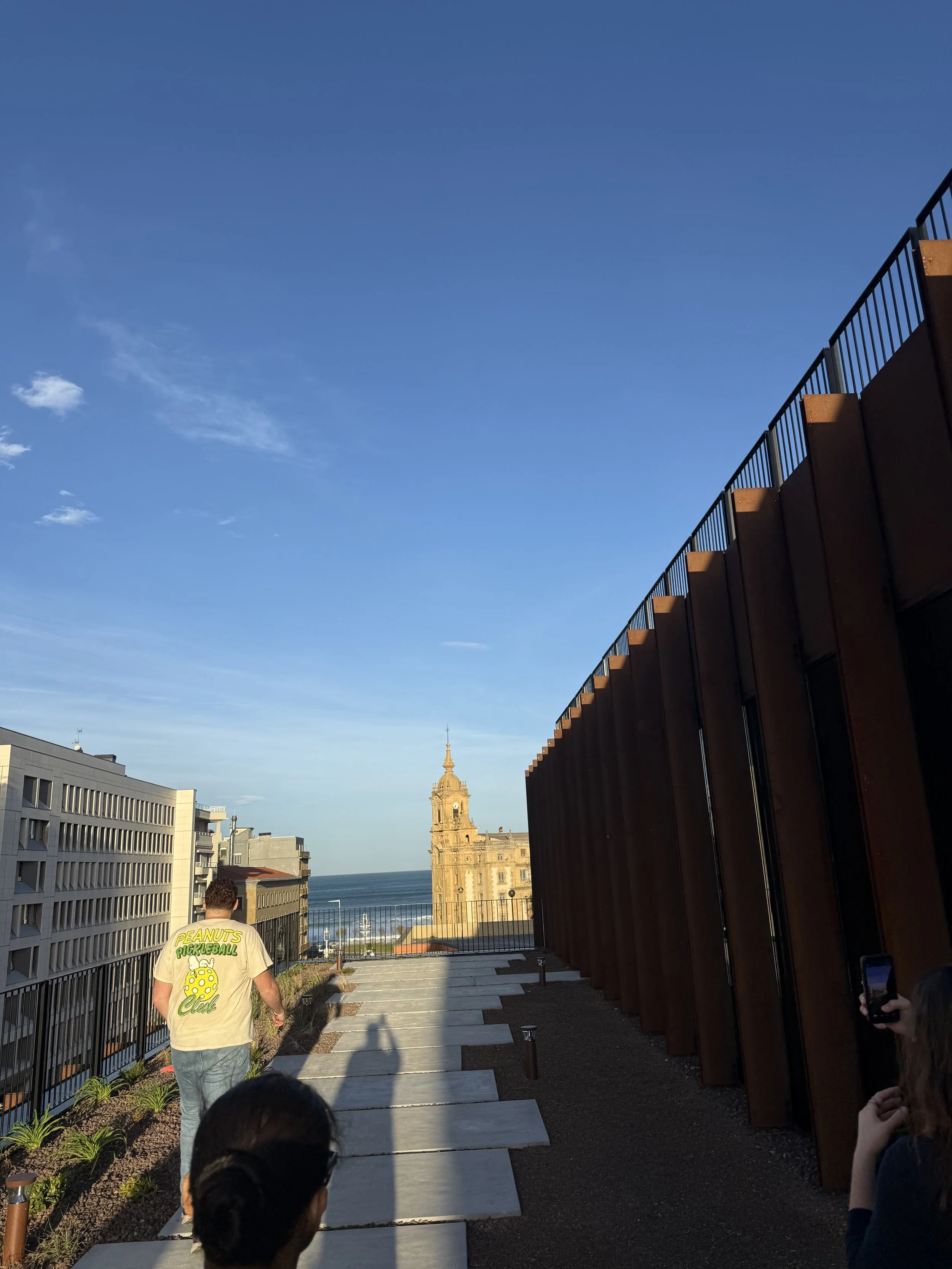
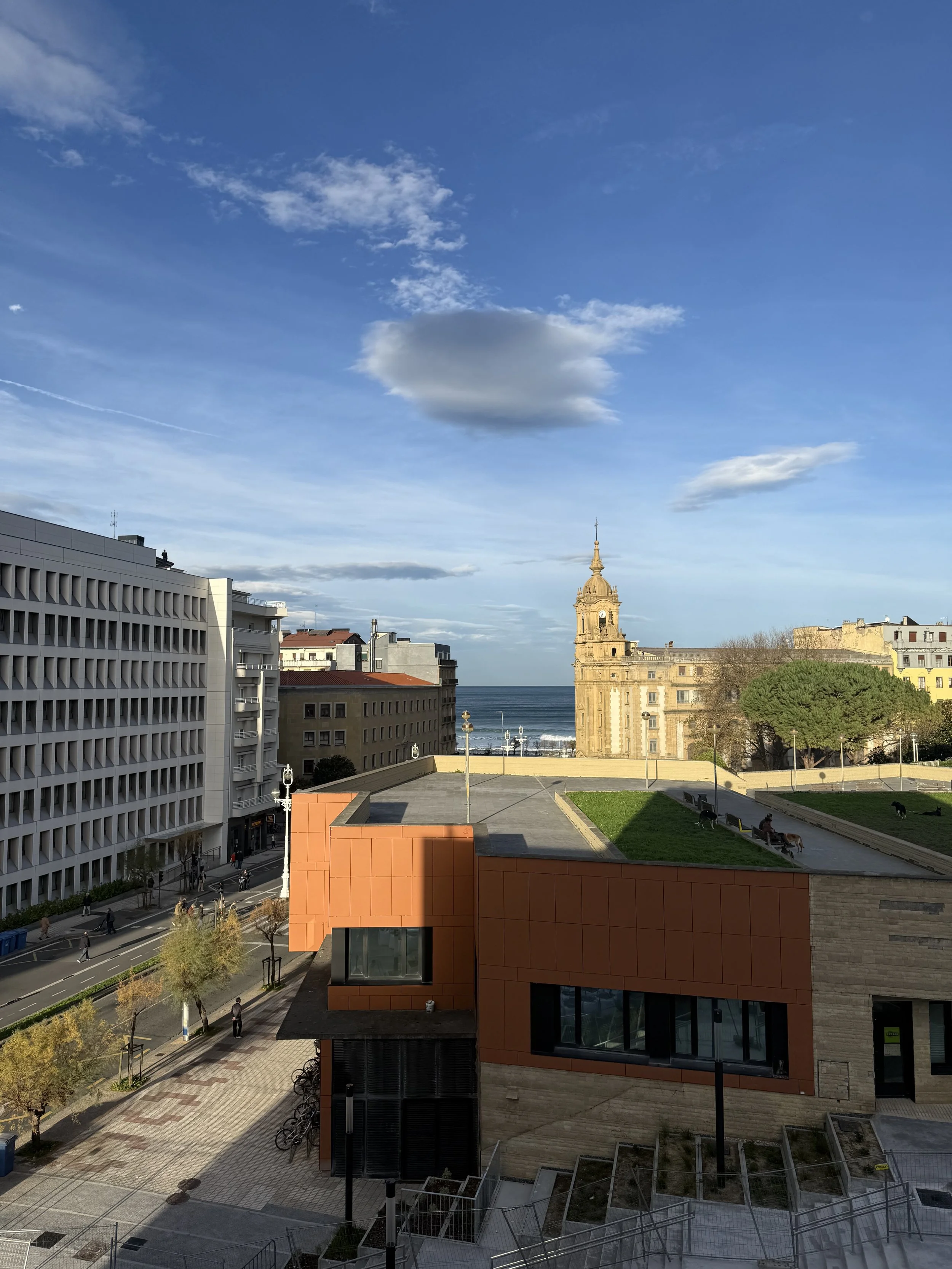
One of the first things that stands out about GOe is that it’s not designed like a private, closed-off research facility. It’s conceived as a bridge between the city and the landscape, and it’s built to invite movement…people walking, gathering, watching, learning.
Architecturally, GOe was designed as an extension of San Sebastián’s dramatic surroundings, an intentional connection between nature, the city, and experimentation.
It spans roughly 9,000 m² and was completed in 2025.
It’s also located in the Gros neighborhood near Mount Ulía and is partly built underground, using the site’s level changes to create a landscaped roof that functions like a public space. Read more about the design here: Arquitectura Viva
That design choice matters because it signals what GOe is trying to be: not a “members-only” innovation lab, but a public-facing platform where a city can participate in the future of food.
What actually happens inside GOe?
At the heart of GOe is GOe Tech Center, a technology center specialized in gastronomy. Its mission is stated clearly: to contribute to a more delicious future through talent, knowledge, research, and innovation. By working closely with public institutions and private companies to promote food that is flavorful, healthy, and sustainable. GOe
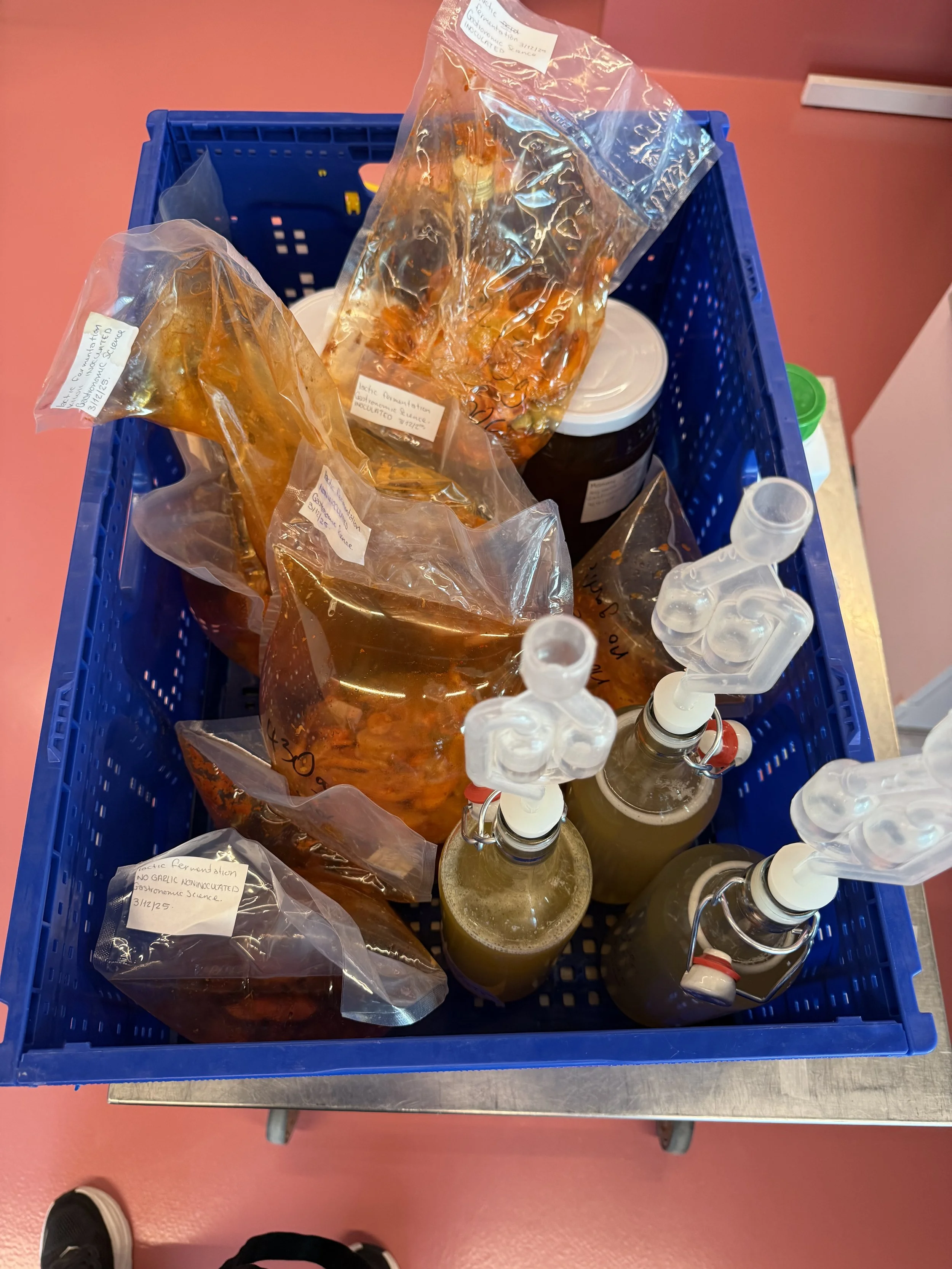
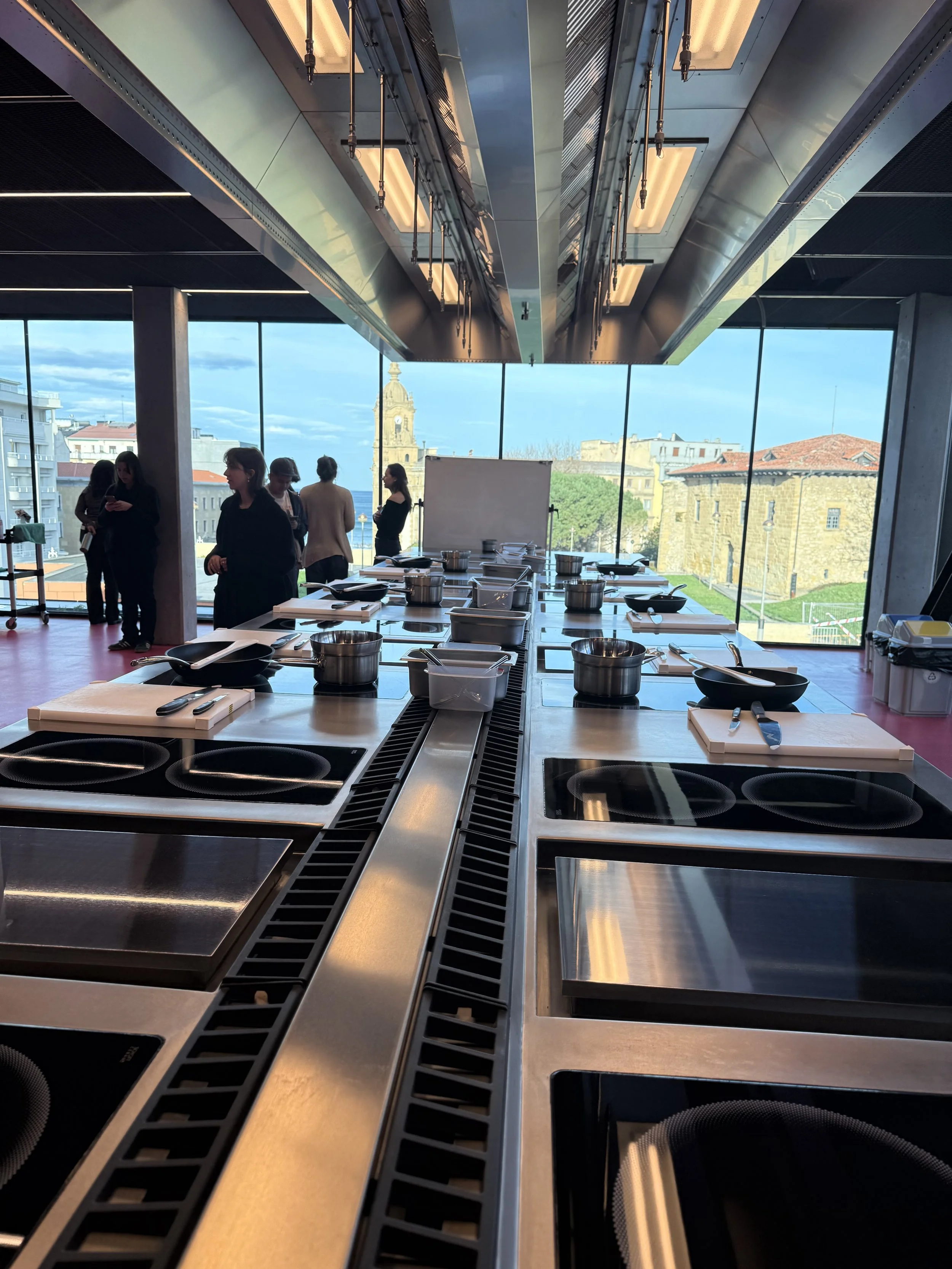
And it’s not just a mission statement. The infrastructure is built for real experimentation:
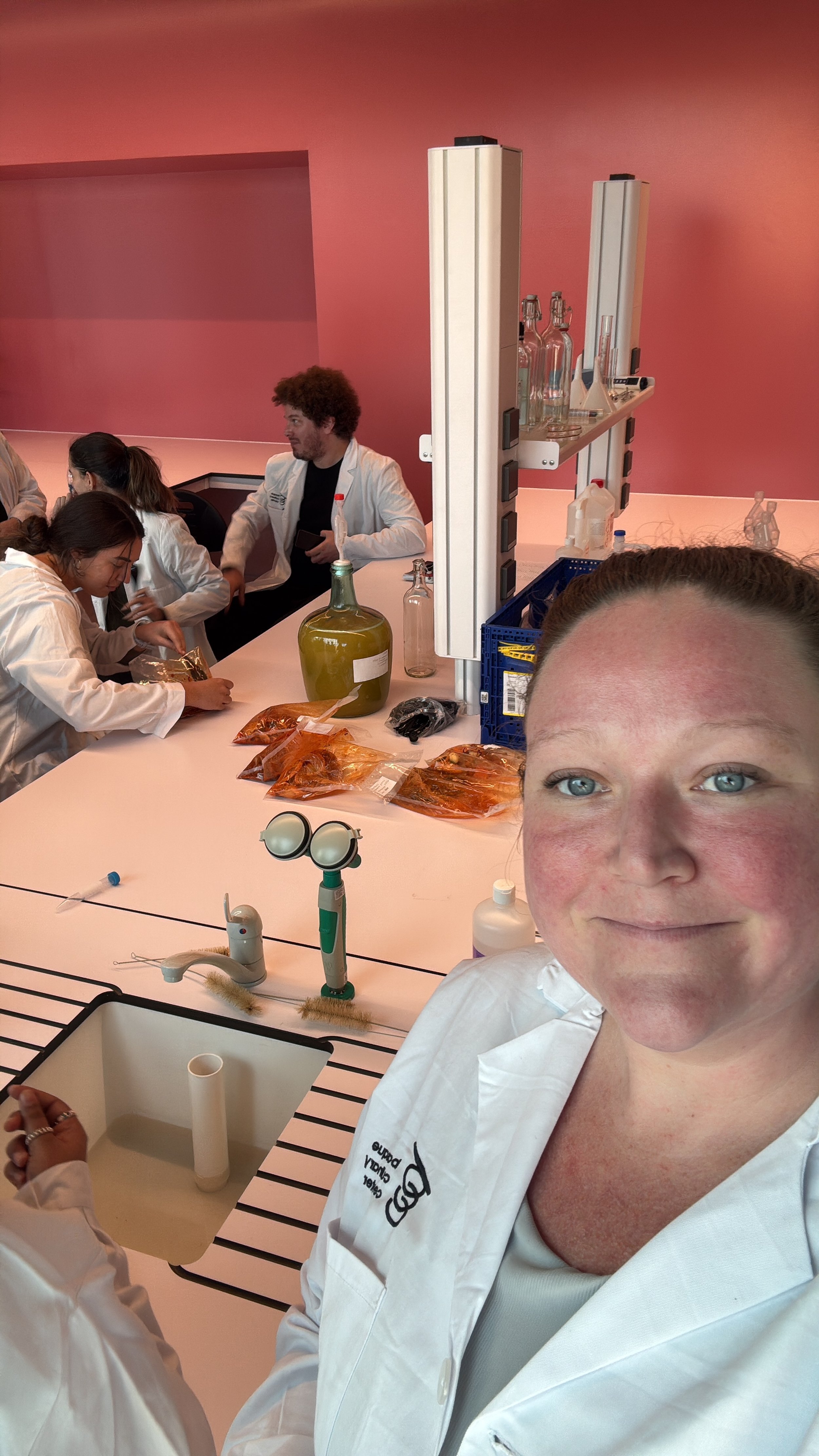
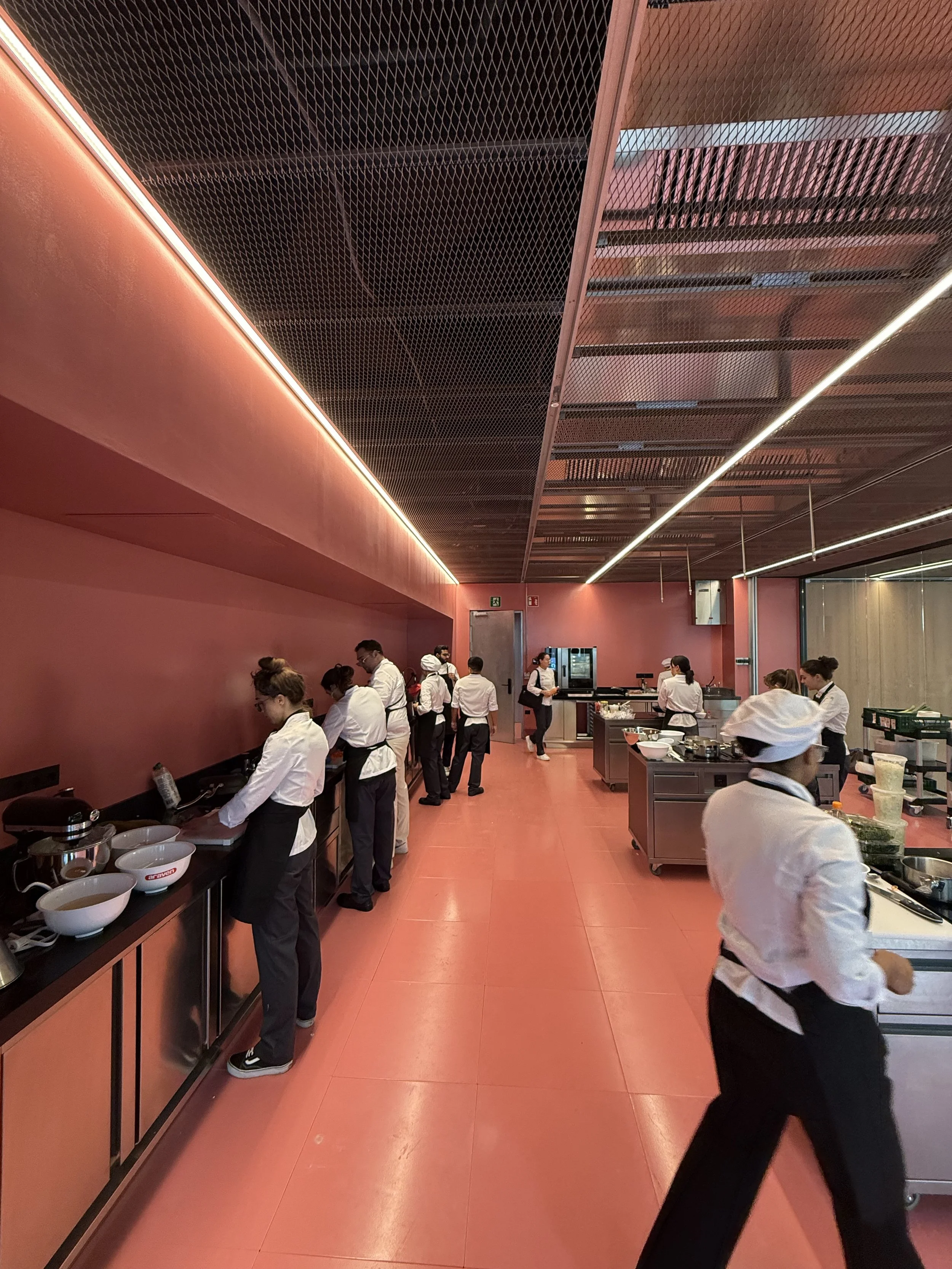
Eight research and training kitchens
A dedicated sensory analysis room
Ten laboratories connecting science and cuisine Mondragon Unibertsitatea
That mix is what makes GOe feel different. It’s not “kitchen or lab.” It’s both. It’s the space between them that becomes the point.
GOe’s community impact: why this matters beyond chefs and scientists
When people talk about “innovation,” it can sound abstract. GOe makes it concrete.
According to Basque Culinary Center’s own announcement, GOe is designed to function at scale, working with companies on dozens of projects per year and participating in European initiatives that connect the region to international research and development. Here’s more about my school: bculinary.com
But what excites me most is what that scale can mean locally:
More pathways for talent to stay in the Basque Country (or come here)
More collaboration between academia, startups, and established food businesses
More public programming that makes food innovation something you can witness and experience, not just read about
San Sebastián already has culinary gravity. GOe adds something new: a place where the “why” and “how” behind the food can be explored publicly.
Why I’m writing about GOe on Mel In Motion
Mel In Motion is where I document what I’m learning in real time…through study, through experience, through the people and places shaping the future of food.
And GOe feels like a perfect symbol of that: motion between disciplines. Motion between lab and kitchen. Motion between research and community. Motion between tradition and what’s next.
If you’re a student, a maker, a founder, a chef, a scientist, or just someone who cares about how we’ll eat in 10 years, GOe is worth paying attention to.
Because it’s not only building new tools.
It’s building a new relationship between a city and its food future.