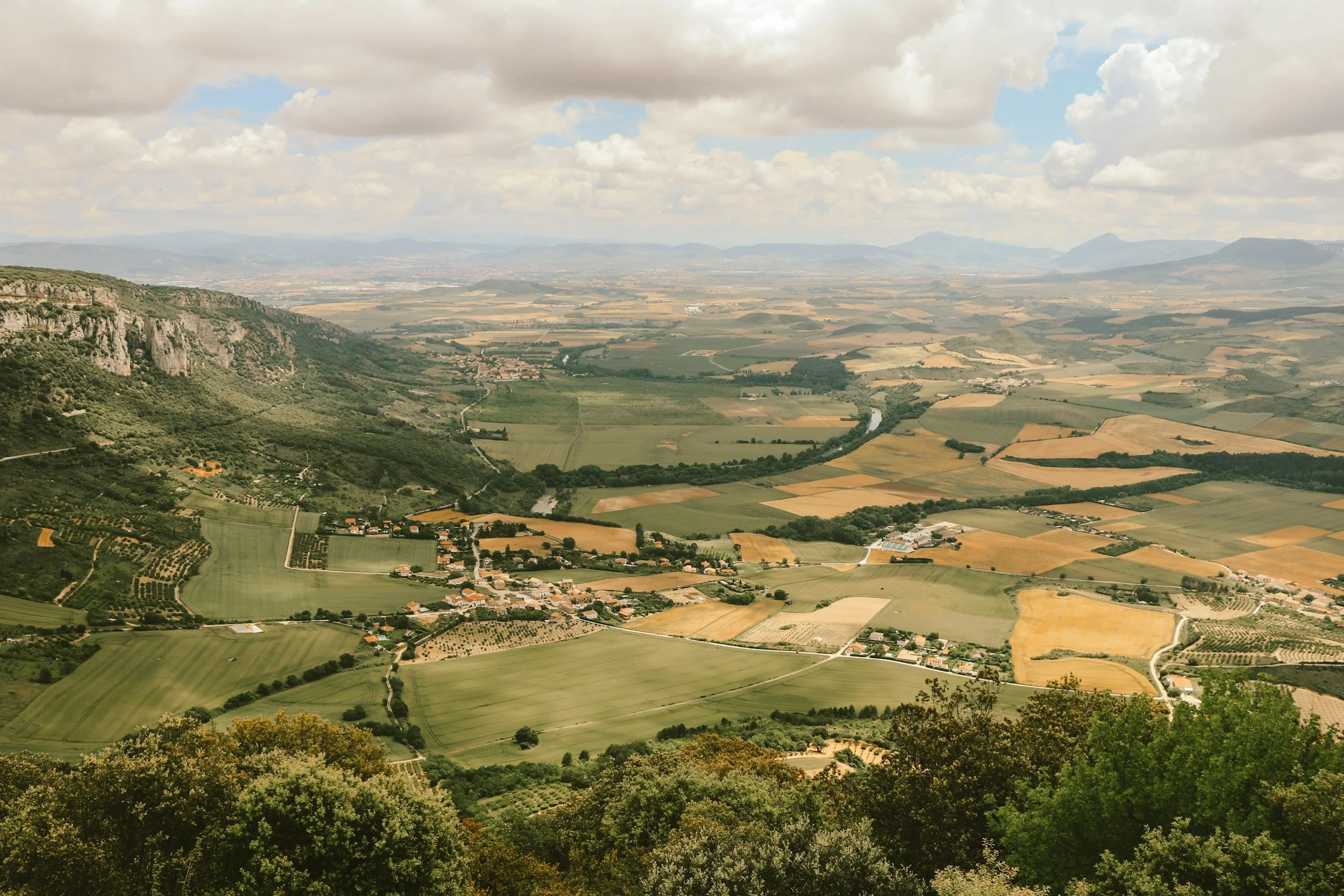
Basque Ingredients and Traditions

At its very essence, cuisine in the Basque Country is never merely about nourishment: It is story, heritage, and fiercely held tradition. From the sea-weathered winds that flavor its seafood to the volcanic ground that grows its vegetables, Basque cuisine is an expression of survival, of communality, and of pride. This section explores the region-defining cuisine that is old and constantly evolving and the cultural customs that still define Basque identity today.
In Basque kitchens, simplicity is sacred, and techniques are passed down like heirlooms. From stone grills to cider house rituals, from farmhouses to pintxos bars, this is a food culture where tradition is not frozen in time but honored and adapted.
Whether visiting your own city market or seated at a Michelin-starred table, you're enjoying centuries of tradition in every bite.
Learn with me the traditions and ingredients make Basque cuisine so remarkably rich (and world-renown)!

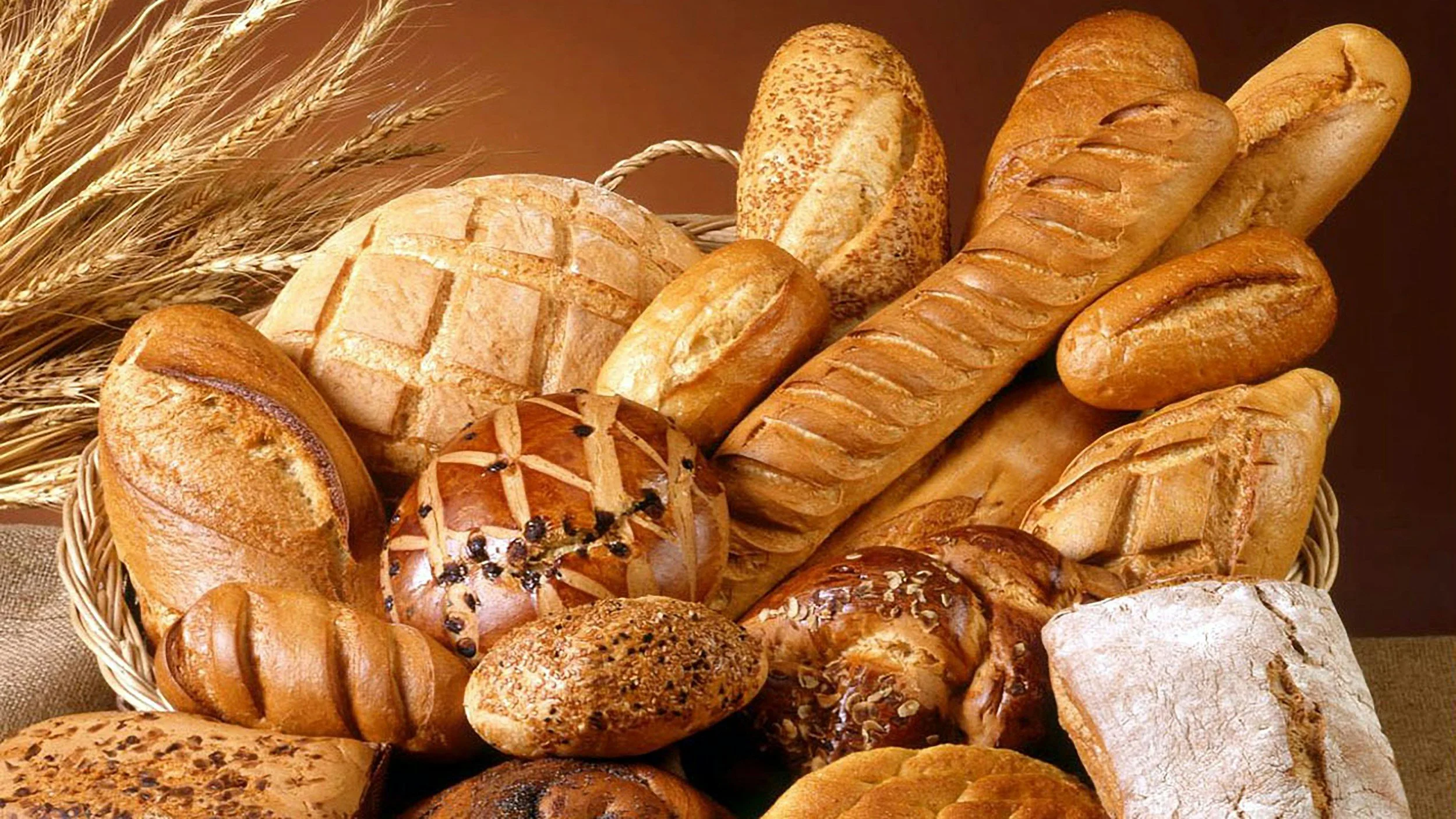

Roots of Basque Tradition: A History Through Food
From prehistoric settlements to the rise of Basque fishing fleets, this in-depth historical article will trace how food has shaped (and been shaped by) Basque cultural evolution. Expect sections on pre-Roman agriculture, Catholic feasts, Basque witchcraft and herbal traditions, and the development of pintxos.
Sometimes the universe conspires in your favor in ways you could never orchestrate. My birthday this year didn't just fall on a day…it fell on the eve of San Sebastián's biggest celebration, the Tamborrada, gifting me a four-day weekend and a cascade of moments that reminded me exactly why I'm here.
I spent it wandering alone through morning streets, treating myself to an omakase dinner at Kai Sushi, sipping a mezcal martini at the legendary Dry Bar in Hotel Cristina (where staff surprised me with champagne and cake), meeting friends for craft beer at Baga Biga Faktoria, and walking home along the quiet Urumea River. When I arrived, a gift from friends back home waited on my doorstep, tangible proof that love travels across oceans.
This is the story of celebrating a birthday abroad: grateful and homesick, solo and surrounded, honoring both the life I chose and the people I miss. Because pursuing a master's degree in a foreign country means learning to hold contradictions, and finding beauty in both.
A single dried shiitake mushroom contains more free glutamate than an entire plate of pasta with meat sauce. This fact alone explains why plant-based chefs have become obsessed with mushroom-based ingredients, why food companies are investing heavily in mushroom fermentation technology, and why dried shiitakes command premium prices in international markets.
The numbers are striking. Fresh shiitake mushrooms contain approximately 70 milligrams of free glutamate per 100 grams. Dried shiitakes, after the water removal process concentrates all their compounds, contain approximately 1,060 milligrams per 100 grams of free glutamate. That is a fifteen-fold concentration of one of nature's most savory molecules, making dried shiitakes one of the most umami-rich foods on the planet, rivaled only by aged Parmesan cheese at 1,680 milligrams per 100 grams and concentrated miso pastes.
Most people consume fermented foods every single day without understanding the elegant biochemistry happening at a microscopic level. That tangy yogurt sitting in your fridge, the complex flavors in your miso paste, the effervescent kombucha you sip in the afternoon, all the result of microorganisms following fundamental biochemical principles that have remained unchanged for billions of years.
Fermentation is not new. Humans have been fermenting foods for over 10,000 years, long before we understood microbiology or genetics. Yet only recently have scientists begun to fully appreciate the genius of what traditional cultures understood intuitively: fermentation is transformation through microbial metabolism.
Italian cuisine stands as one of humanity's most sophisticated food traditions, celebrated worldwide for its elegance, simplicity, and depth of flavor. What most Italian cooks, and most Italian food enthusiasts, do not realize is that this tradition developed into something very close to umami perfection through centuries of culinary experimentation, entirely independent of scientific understanding of umami as a taste category or knowledge of glutamate as a chemical compound.
The evidence appears immediately when examining umami content of canonical Italian ingredients. Parmigiano-Reggiano cheese contains approximately 1,680 milligrams of free glutamate per 100 grams, making it one of the most umami-dense foods on Earth. Ripe tomatoes contribute 246 milligrams per 100 grams, with sun-dried tomatoes concentrating this to 650 to 1,140 milligrams. Aged balsamic vinegar contains significant free glutamate from the fermentation process. Cured anchovies deliver both glutamate and inosinate, creating synergistic umami amplification.
On a spring evening in 1968, Dr. Robert Ho Man Kwok sat down after dining at a Chinese restaurant and experienced some unusual sensations. He felt numbness, weakness, heart palpitations. In a letter to the New England Journal of Medicine, he speculated about potential causes: perhaps the soy sauce, perhaps the cooking wine, perhaps the monosodium glutamate. That single letter, published in a prestigious medical journal, would trigger five decades of fear, discriminatory marketing, and economic harm targeting Asian restaurateurs and Asian cuisines across the Western world.
For nearly sixty years, MSG carried a scarlet letter. Food packages proudly announced "No MSG Added" as though they were advertising a health feature comparable to reduced sodium or no artificial preservatives. Asian restaurants endured economic discrimination. Families worried about neurological harm that scientific evidence consistently refuted. Then, in a series of relatively recent cultural shifts, MSG began rehabilitation. Chefs openly embraced it. Companies created campaigns mocking the stigma. A dictionary entry was revised. But what does this rehabilitation actually mean, and where does it leave us?
The first taste any human experiences is not sweet, not savory in the way we typically think of umami, yet it delivers one of nature's most perfect examples of the fifth taste in its purest form. Breast milk contains glutamate at concentrations roughly 40 times higher than what appears in maternal blood, a deliberate biological choice that reveals something profound about human taste perception and nutritional needs.
Salt doesn’t just season food, it transforms it. Here’s the science of why salt is the true backbone of flavor in every cuisine.