Gastronomy & Grad School
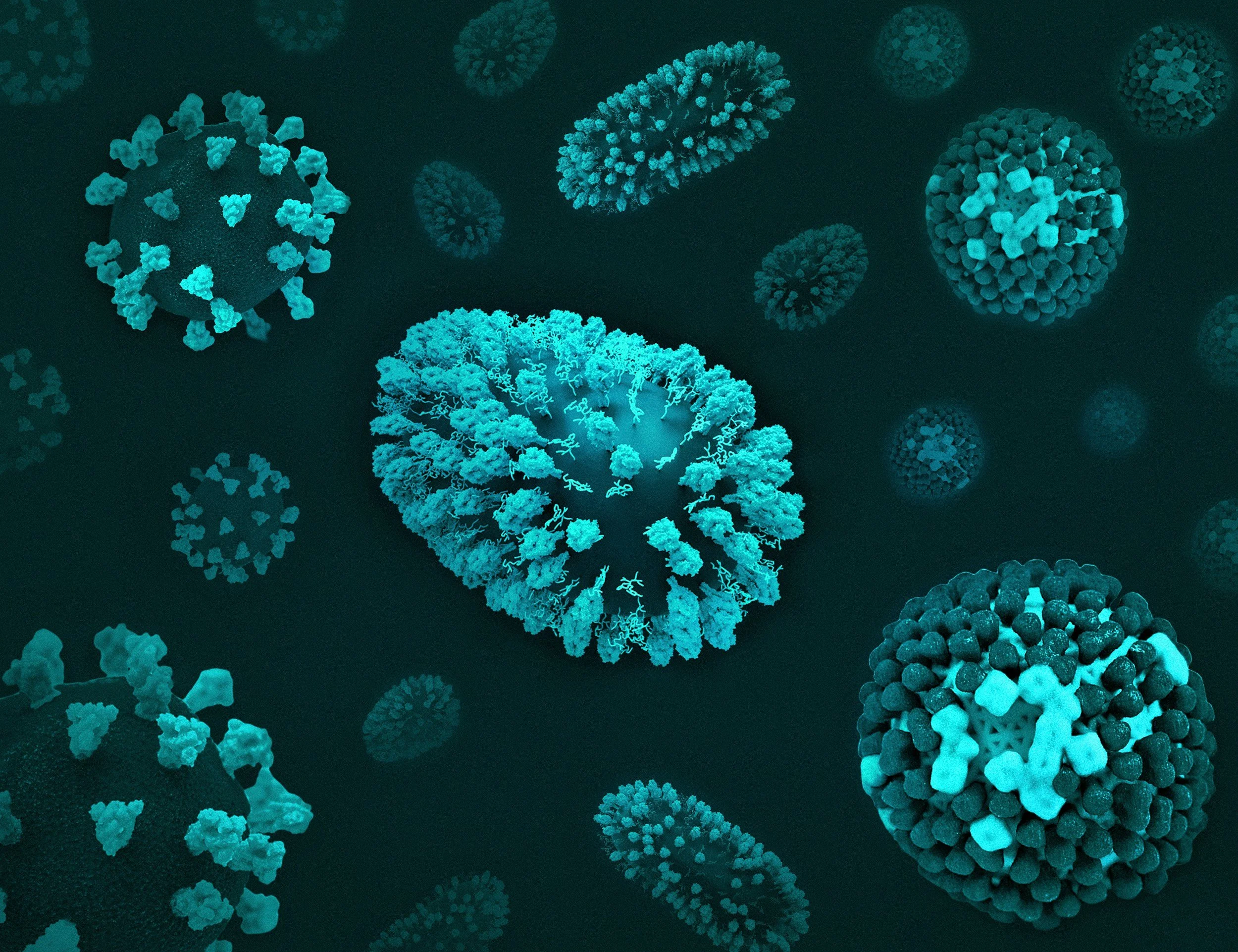
Fermentation is often seen as an ancient, “natural” way to preserve food, but that does not mean every ferment is automatically safe. Safe fermentation is applied microbiology: beneficial bacteria and yeasts must be given the right conditions to dominate, while pathogens are pushed out of their comfort zone. This article explains why properly made fermented foods are usually safer than the raw ingredients, and how regulatory concepts like GRAS and QPS define which microbes are considered safe for use in food. It compares wild ferments (like sourdough, kombucha, kefir, and kimchi) with defined starter cultures so you understand the trade-offs between flavor, tradition, and safety. You will learn the three big control levers, pH, salt and water activity, and temperature, and how they work together to keep Salmonella, Listeria, Clostridium botulinum, and other hazards in check. Finally, you get a practical checklist for safe home fermentation and clear advice for people who need to be extra cautious, including pregnant, immunocompromised, or histamine-sensitive readers.
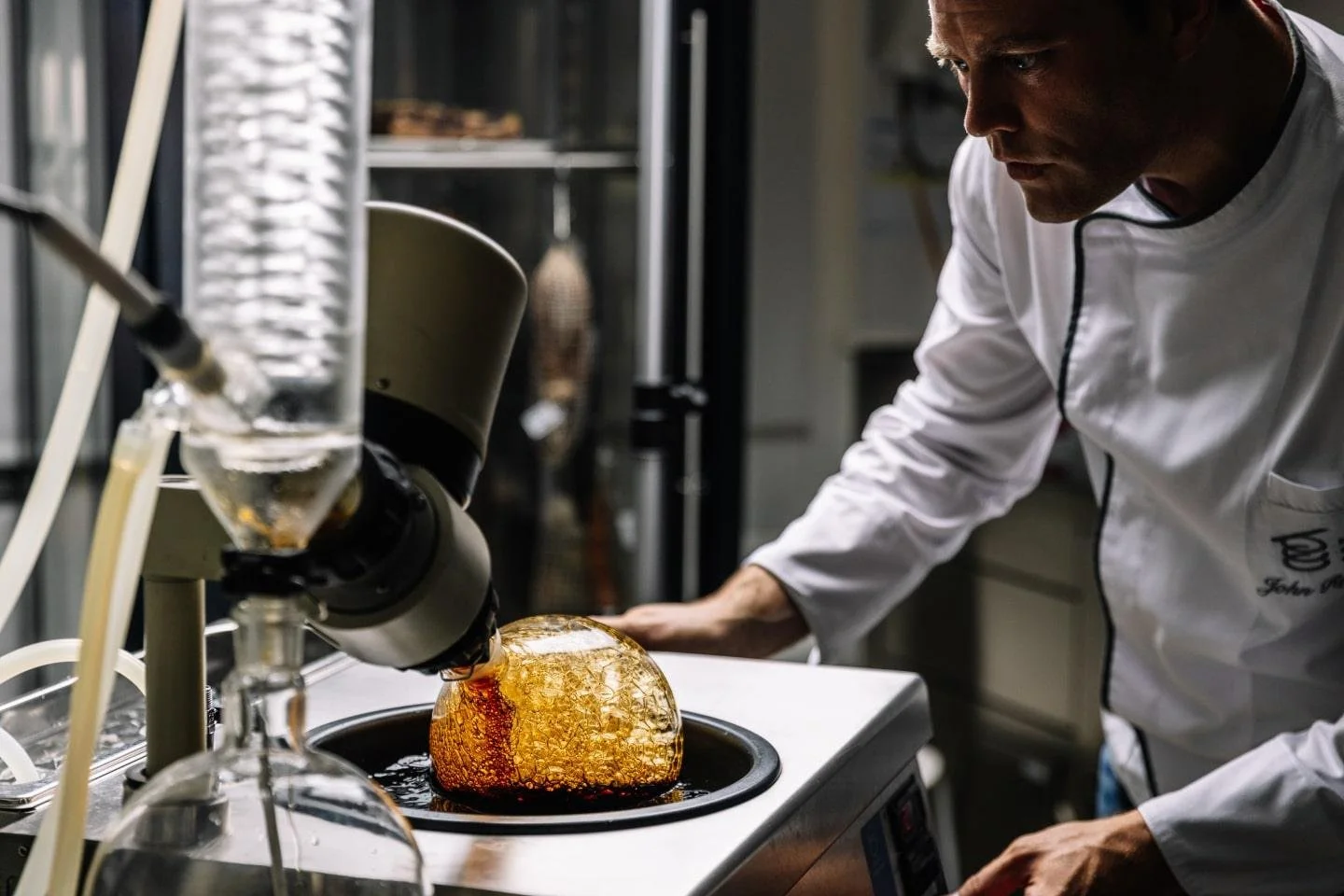
In a world facing climate crisis, food insecurity, and growing health disparities, gastronomy might seem like a luxury concern. But at GOe, the Gastronomy Open Ecosystem in San Sebastián, food is understood as a powerful lever for social change and the foundation of a more equitable future. The question isn't whether food matters for justice and sustainability; it's how we harness culinary knowledge, scientific innovation, and community engagement to create systems that nourish everyone.
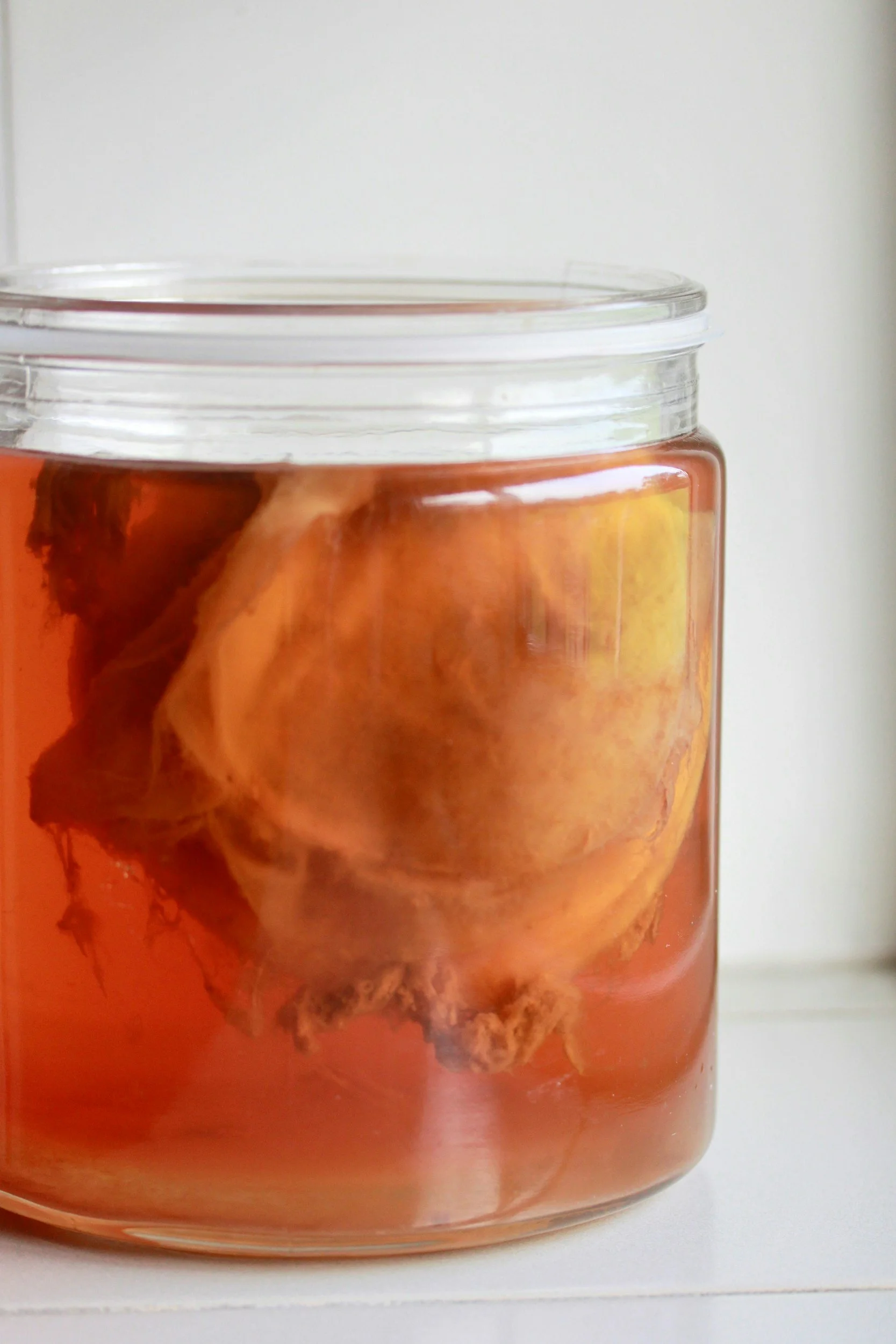
That rubbery disc floating in your kombucha jar is not a mistake or a film to be removed. It is a highly organized biological community thousands of years old. It is a microbial city where bacteria and yeast coexist, cooperate, and create one of the most complex fermented beverages known to humanity.
This community is called a SCOBY, which stands for Symbiotic Culture of Bacteria and Yeast. Despite its intimidating acronym, a SCOBY is simply a biofilm where microorganisms have organized themselves into a structured matrix. Understanding what lives in your kombucha jar requires understanding the remarkable organisms that call it home.
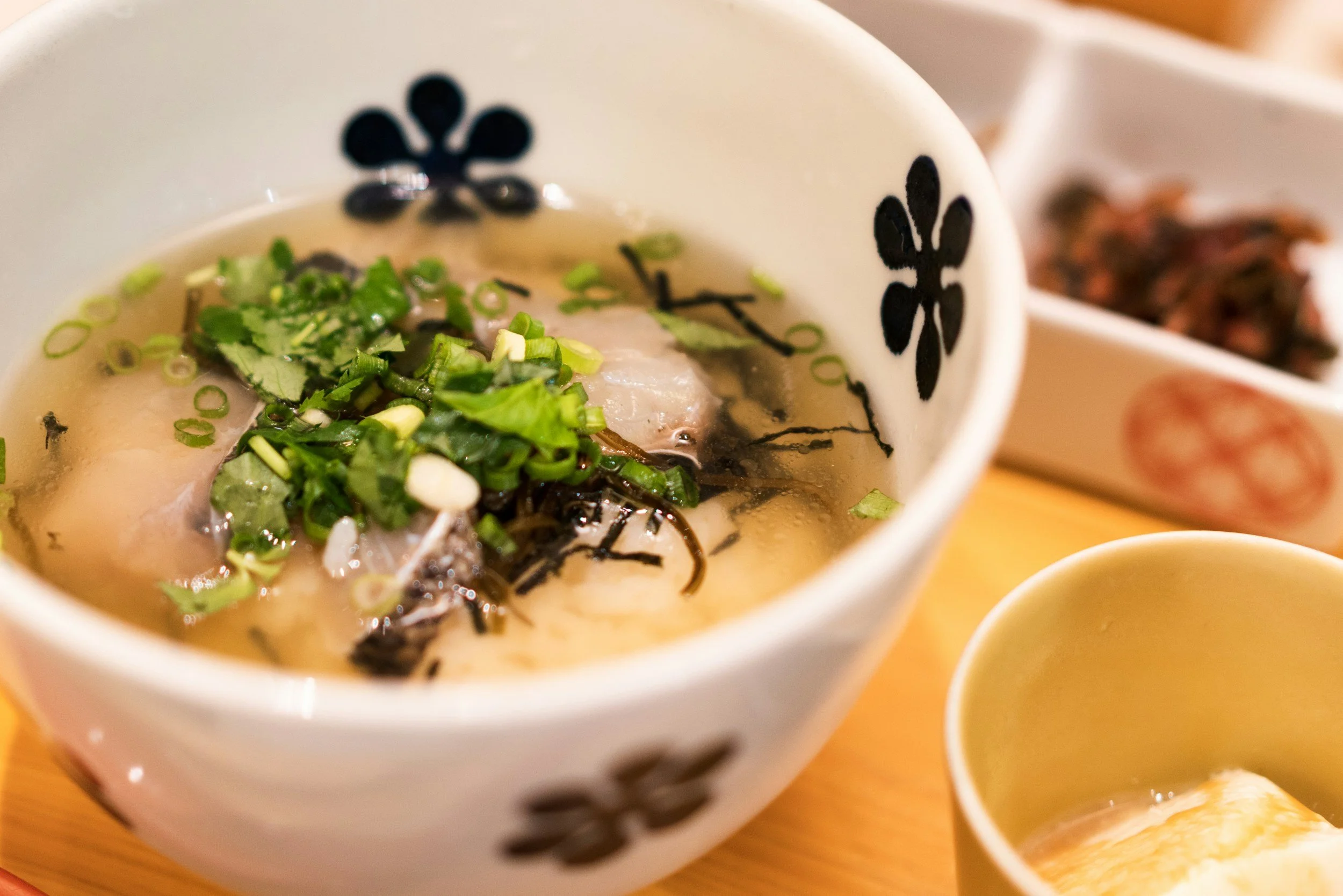
In Japanese cuisine, miso is often described as liquid gold. A spoonful contains the concentrated complexity of flavors, aromas, and health benefits that result from years of microbial fermentation. Yet what makes miso truly remarkable is not poetry but biochemistry.
Miso represents one of humanity's oldest and most sophisticated fermentation processes. It demonstrates how microorganisms, salt, time, and human knowledge combine to transform simple soybeans into a food that improves nutrition, creates addictive umami flavors, and supports health.
Sometimes the universe conspires in your favor in ways you could never orchestrate. My birthday this year didn't just fall on a day…it fell on the eve of San Sebastián's biggest celebration, the Tamborrada, gifting me a four-day weekend and a cascade of moments that reminded me exactly why I'm here.
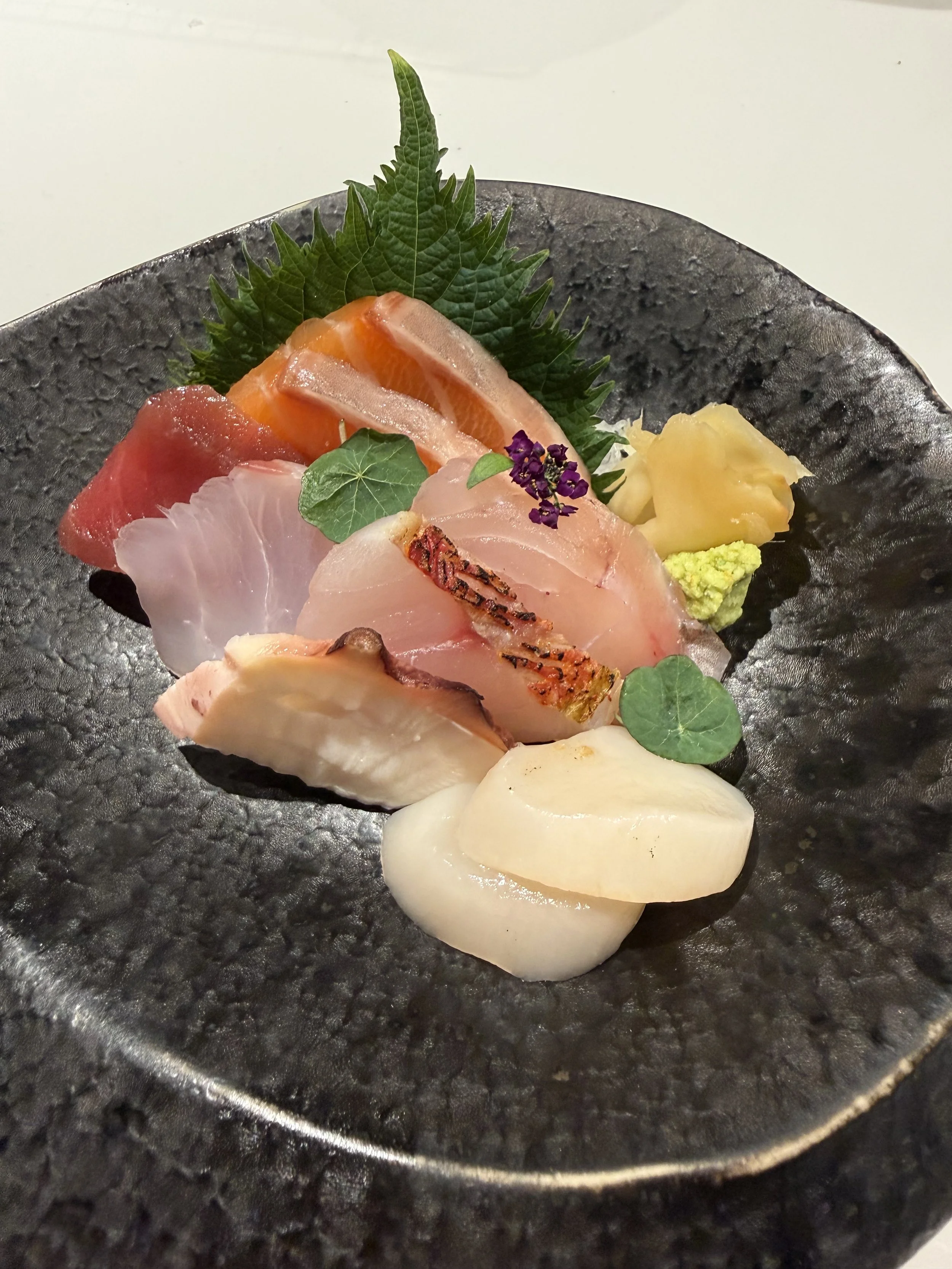
I spent it wandering alone through morning streets, treating myself to an omakase dinner at Kai Sushi, sipping a mezcal martini at the legendary Dry Bar in Hotel Cristina (where staff surprised me with champagne and cake), meeting friends for craft beer at Baga Biga Faktoria, and walking home along the quiet Urumea River. When I arrived, a gift from friends back home waited on my doorstep, tangible proof that love travels across oceans.
This is the story of celebrating a birthday abroad: grateful and homesick, solo and surrounded, honoring both the life I chose and the people I miss. Because pursuing a master's degree in a foreign country means learning to hold contradictions, and finding beauty in both.
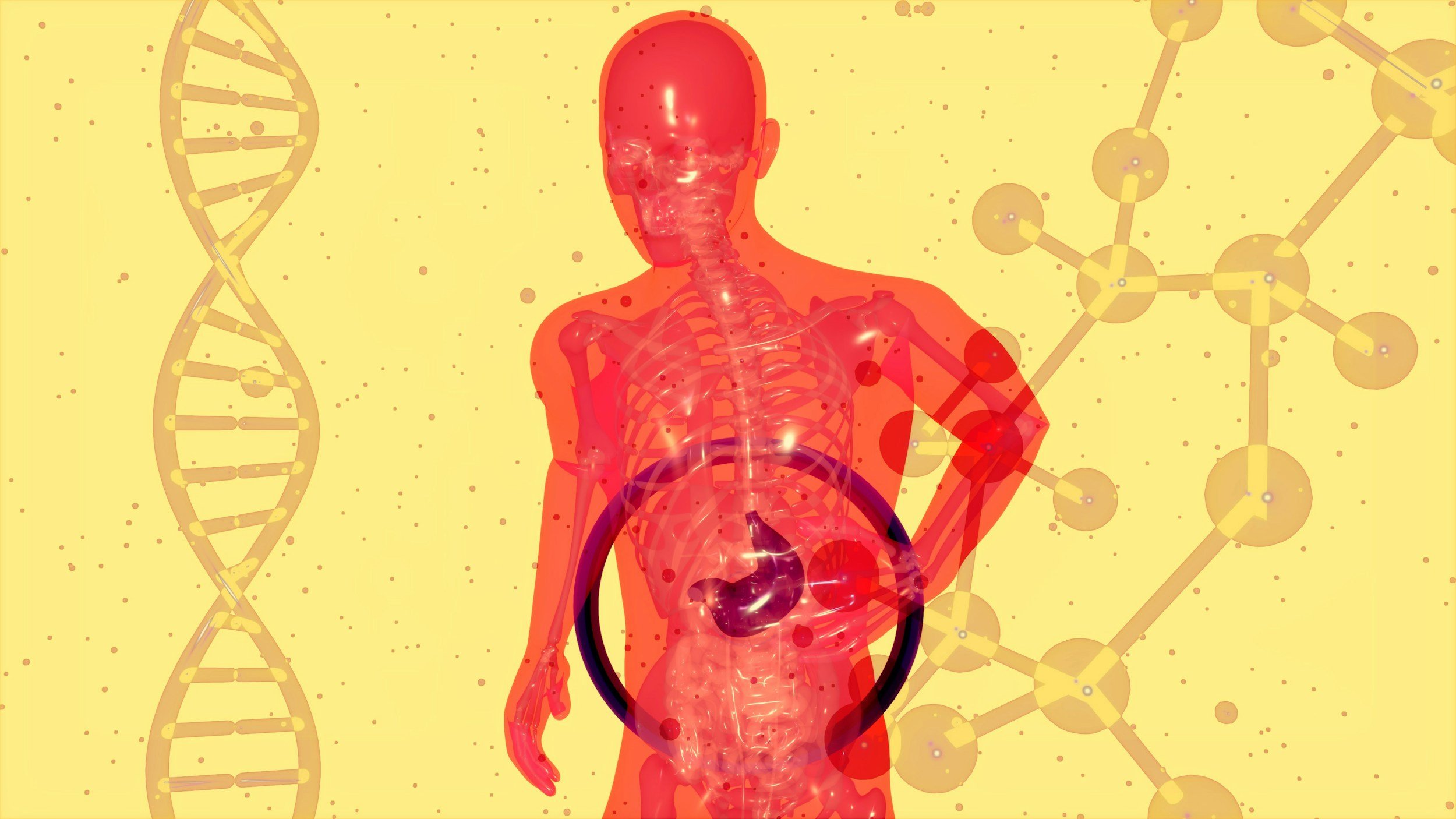
You are never truly alone. Right now, as you read this, approximately 38 trillion microorganisms live inside your body. Most reside in your colon, creating a complex ecosystem more diverse than any rainforest and more influential to your health than you might imagine.
This ecosystem is your microbiome, and it is perhaps the single most important factor in determining your health status, immune function, mental state, and risk for chronic disease. Yet for most of human history, we did not know it existed. Modern science has only begun to appreciate its significance.
The best birthday gift I've ever given myself came served on a wooden counter, one deliberate piece at a time, in a small sushi bar in San Sebastián's Centro neighborhood. No fanfare. No crowd. Just me, a master chef, and the quiet celebration of choosing myself.
When my birthday arrived this year, I faced a question many of us encounter while living abroad: Do I wait for the "perfect" celebration, or do I honor myself exactly as I am, right now? I chose myself. And in doing so, I discovered that solo dining at Kai Sushi wasn't just dinner—it was an omakase experience in trust, presence, and radical self-love. Here's what happened when I sat at that sushi counter alone, surrendered to the chef's expertise, and learned that the most profound celebrations don't require an audience.
Celebrating my birthday alone with an omakase tasting menu at Kai Sushi in San Sebastián taught me that solo dining isn't lonely, it's radical self-care. A personal journey through Japanese-Basque fusion, mindful eating, and the transformative power of choosing yourself. Plus practical tips for your own solo dining experience.
Learn more about my program, the Master’s in Gastronomic Sciences at Basque Culinary Center in San Sebastian, Spain
Learn more about the GOe, Gastronomic Open Ecosystem, a brand new facility opening in late 2025 in San Sebastian, Spain
I’m studying a Master’s in Gastronomic Sciences at the Basque Culinary Center. This page gathers my reflections, class notes, and behind-the-scenes look at what it’s really like to study food culture abroad.
Discover how Honest Umami is disrupting the food industry by marketing MSG honestly instead of hiding it behind "natural flavoring" euphemisms. A case study in transparency.