A collection of guides, reflections, and resources on Gastronomy and Life in Spain.
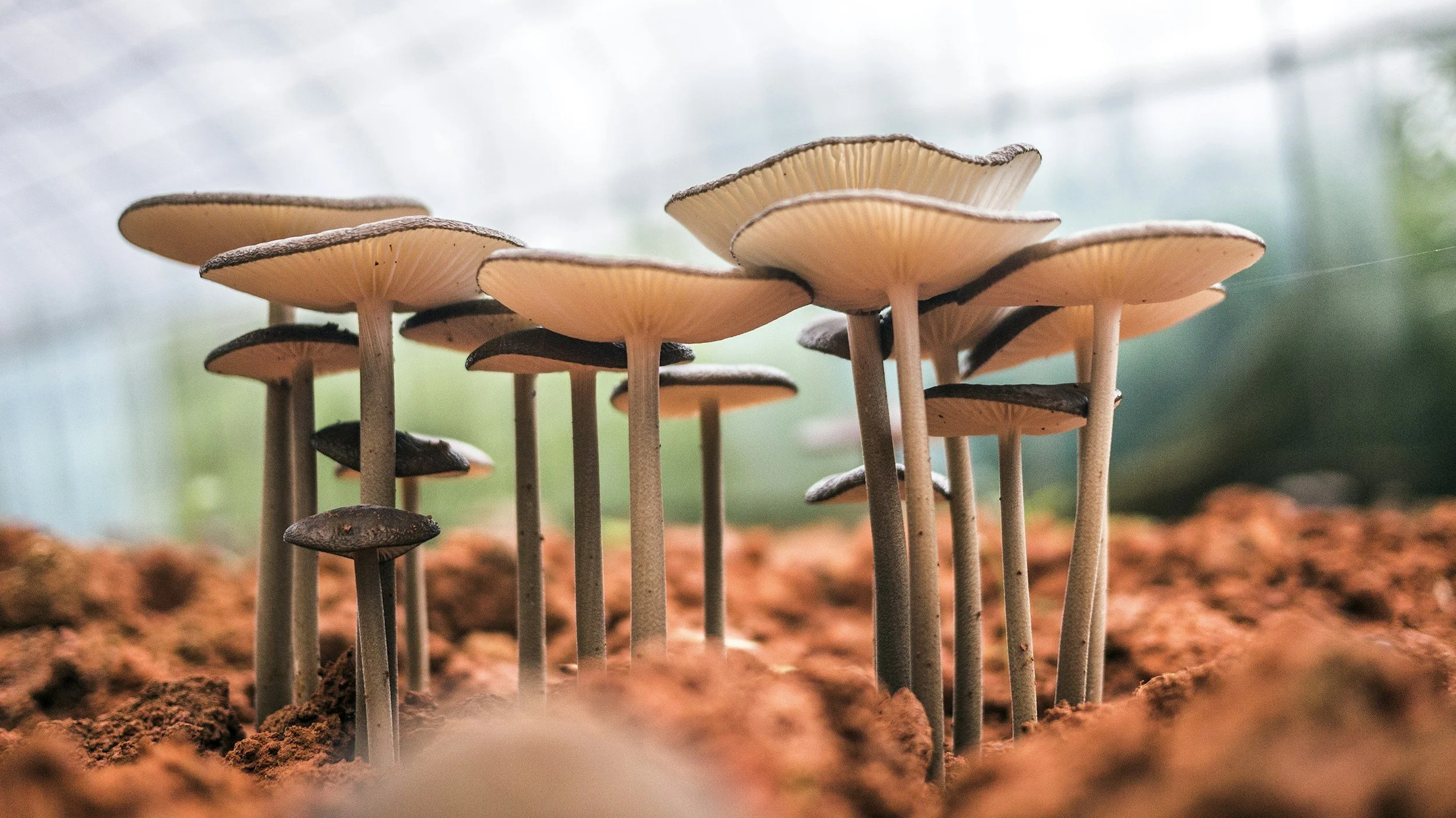
Dried Shiitake Mushrooms: The Plant-Based Secret Weapon That Outperforms Meat
A single dried shiitake mushroom contains more free glutamate than an entire plate of pasta with meat sauce. This fact alone explains why plant-based chefs have become obsessed with mushroom-based ingredients, why food companies are investing heavily in mushroom fermentation technology, and why dried shiitakes command premium prices in international markets.
The numbers are striking. Fresh shiitake mushrooms contain approximately 70 milligrams of free glutamate per 100 grams. Dried shiitakes, after the water removal process concentrates all their compounds, contain approximately 1,060 milligrams per 100 grams of free glutamate. That is a fifteen-fold concentration of one of nature's most savory molecules, making dried shiitakes one of the most umami-rich foods on the planet, rivaled only by aged Parmesan cheese at 1,680 milligrams per 100 grams and concentrated miso pastes.
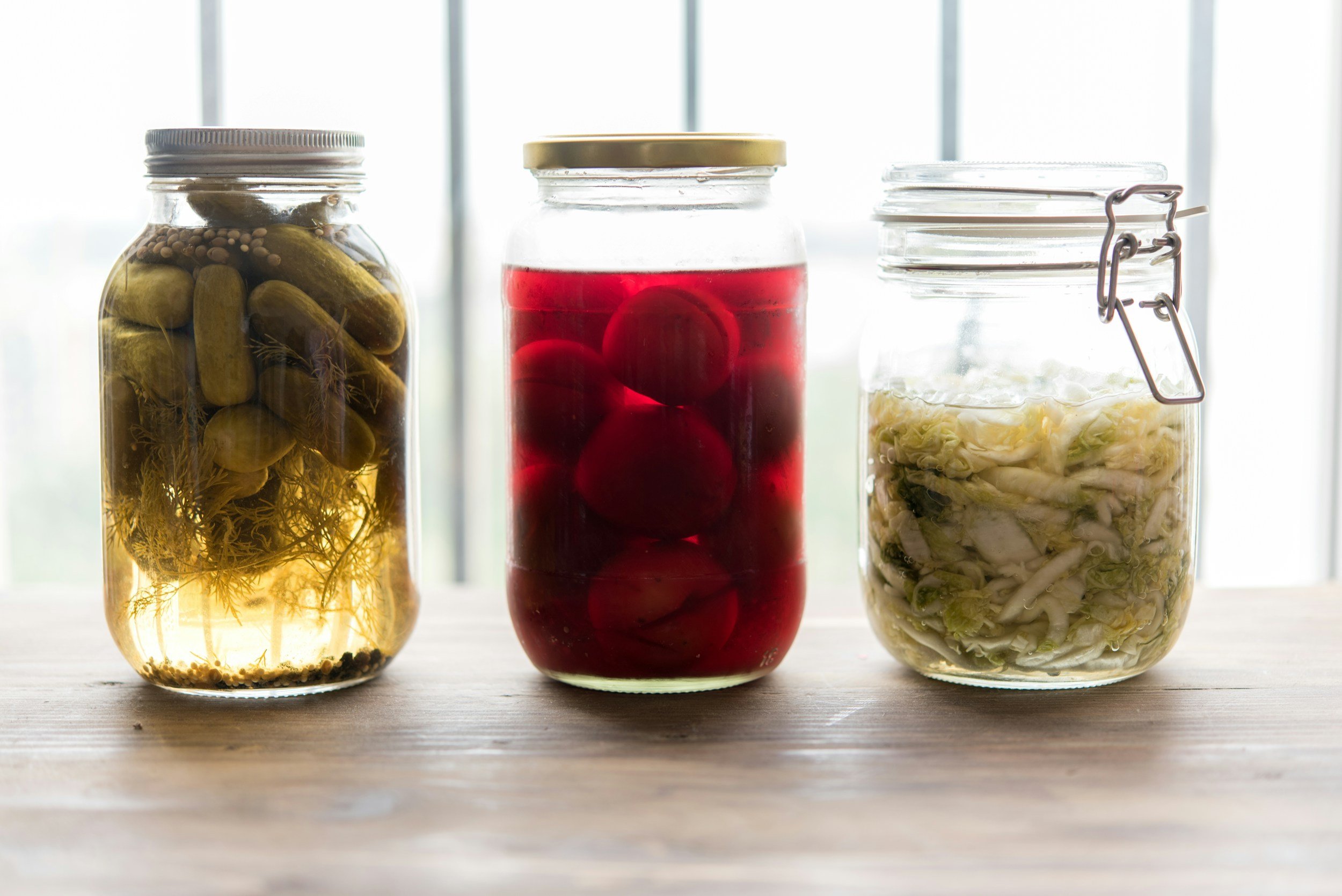
How Your Kitchen Can Become a Laboratory with Fermentation
Most people consume fermented foods every single day without understanding the elegant biochemistry happening at a microscopic level. That tangy yogurt sitting in your fridge, the complex flavors in your miso paste, the effervescent kombucha you sip in the afternoon, all the result of microorganisms following fundamental biochemical principles that have remained unchanged for billions of years.
Fermentation is not new. Humans have been fermenting foods for over 10,000 years, long before we understood microbiology or genetics. Yet only recently have scientists begun to fully appreciate the genius of what traditional cultures understood intuitively: fermentation is transformation through microbial metabolism.
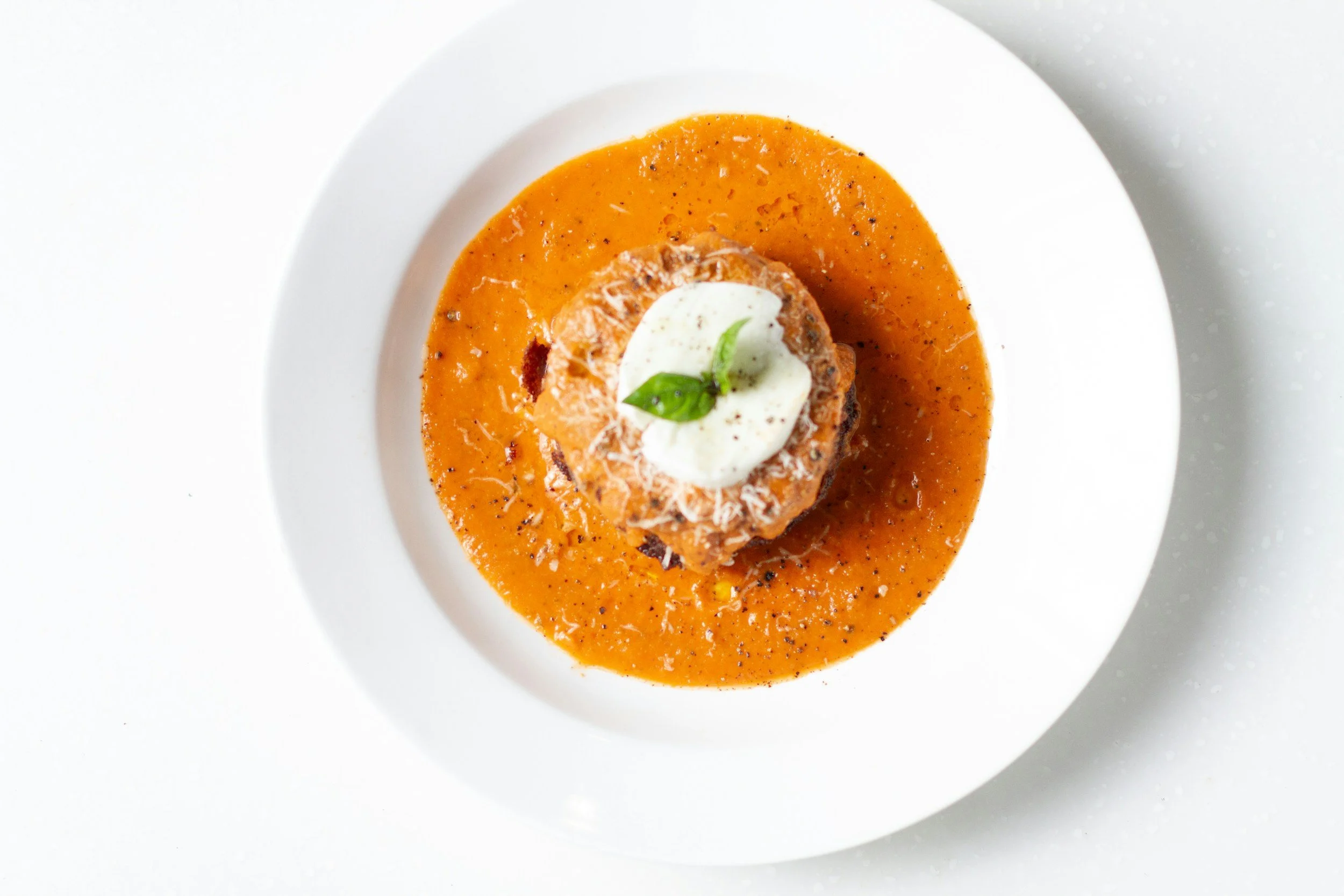
Parmesan, Tomatoes, and Anchovies: How Italian Cooking Accidentally Perfected Umami
Italian cuisine stands as one of humanity's most sophisticated food traditions, celebrated worldwide for its elegance, simplicity, and depth of flavor. What most Italian cooks, and most Italian food enthusiasts, do not realize is that this tradition developed into something very close to umami perfection through centuries of culinary experimentation, entirely independent of scientific understanding of umami as a taste category or knowledge of glutamate as a chemical compound.
The evidence appears immediately when examining umami content of canonical Italian ingredients. Parmigiano-Reggiano cheese contains approximately 1,680 milligrams of free glutamate per 100 grams, making it one of the most umami-dense foods on Earth. Ripe tomatoes contribute 246 milligrams per 100 grams, with sun-dried tomatoes concentrating this to 650 to 1,140 milligrams. Aged balsamic vinegar contains significant free glutamate from the fermentation process. Cured anchovies deliver both glutamate and inosinate, creating synergistic umami amplification.
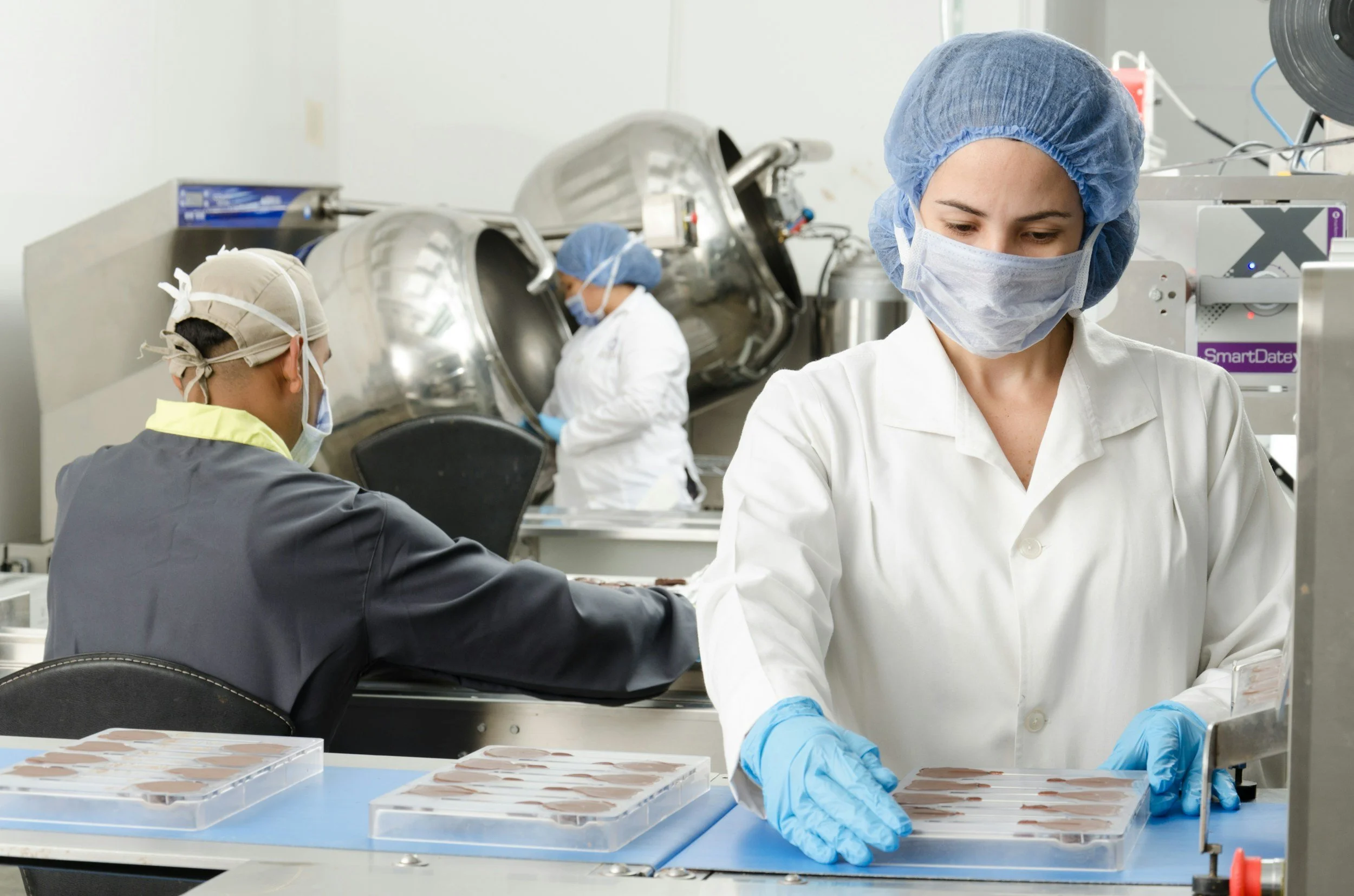
How a Single Letter in 1968 Traumatized Asian Restaurants for 50 Years
On a spring evening in 1968, Dr. Robert Ho Man Kwok sat down after dining at a Chinese restaurant and experienced some unusual sensations. He felt numbness, weakness, heart palpitations. In a letter to the New England Journal of Medicine, he speculated about potential causes: perhaps the soy sauce, perhaps the cooking wine, perhaps the monosodium glutamate. That single letter, published in a prestigious medical journal, would trigger five decades of fear, discriminatory marketing, and economic harm targeting Asian restaurateurs and Asian cuisines across the Western world.

MSG Got Rehabilitated. Now What?
For nearly sixty years, MSG carried a scarlet letter. Food packages proudly announced "No MSG Added" as though they were advertising a health feature comparable to reduced sodium or no artificial preservatives. Asian restaurants endured economic discrimination. Families worried about neurological harm that scientific evidence consistently refuted. Then, in a series of relatively recent cultural shifts, MSG began rehabilitation. Chefs openly embraced it. Companies created campaigns mocking the stigma. A dictionary entry was revised. But what does this rehabilitation actually mean, and where does it leave us?

Why Your Mother's Milk Was Umami, and What That Tells Us About Flavor
The first taste any human experiences is not sweet, not savory in the way we typically think of umami, yet it delivers one of nature's most perfect examples of the fifth taste in its purest form. Breast milk contains glutamate at concentrations roughly 40 times higher than what appears in maternal blood, a deliberate biological choice that reveals something profound about human taste perception and nutritional needs.

What I'm Studying This Semester and Why It Matters
What if graduate school weren’t only about a degree, but about transforming your life intentionally? This semester, I’m at the university in Spain studying gastronomy, but every course addresses something more profound: healing, justice, creativity, and care. From sensory perceptions to ethics of business, this is what I’m learning and why it’s transforming everything.

My First Hard Day in San Sebastián
Yesterday was my first hard day abroad. Lonely, wobbly, human. Here’s what it felt like, what helped, and how I’m finding steadier ground.
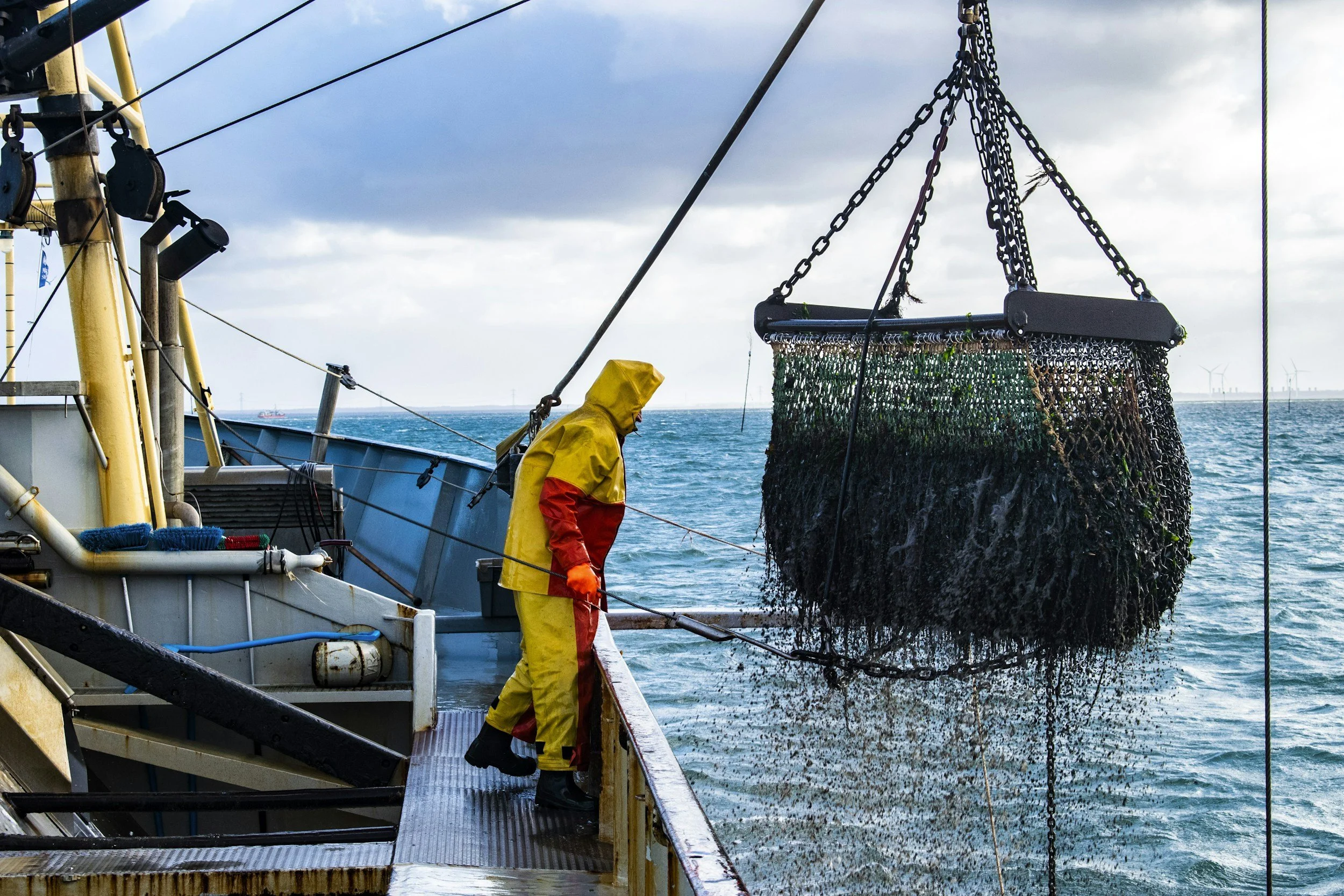
The Labor Behind Your Meal: A Closer Look At Fine Dining
Fine dining doesn’t just appear on your plate. It’s the result of immense behind-the-scenes labor. Here’s a closer look at the human effort behind behind the scenes of your luxury meal.

Countdown to Spain: Preparing for Grad School Abroad
My final‑week plan before moving to Spain for grad school. Documents, tech setup, packing, calm travel routines, and first‑72‑hours on arrival.

How I Got My Spanish Student Visa (and What I Learned)
My Spanish student visa process via BLS Miami. Documents, insurance, FBI apostille, timing, and what I’d do differently.

Why I Built Mel in Motion
I’m moving to Spain for a Master’s in Gastronomic Sciences. Mel in Motion is my honest record of food, culture, and slow courage.
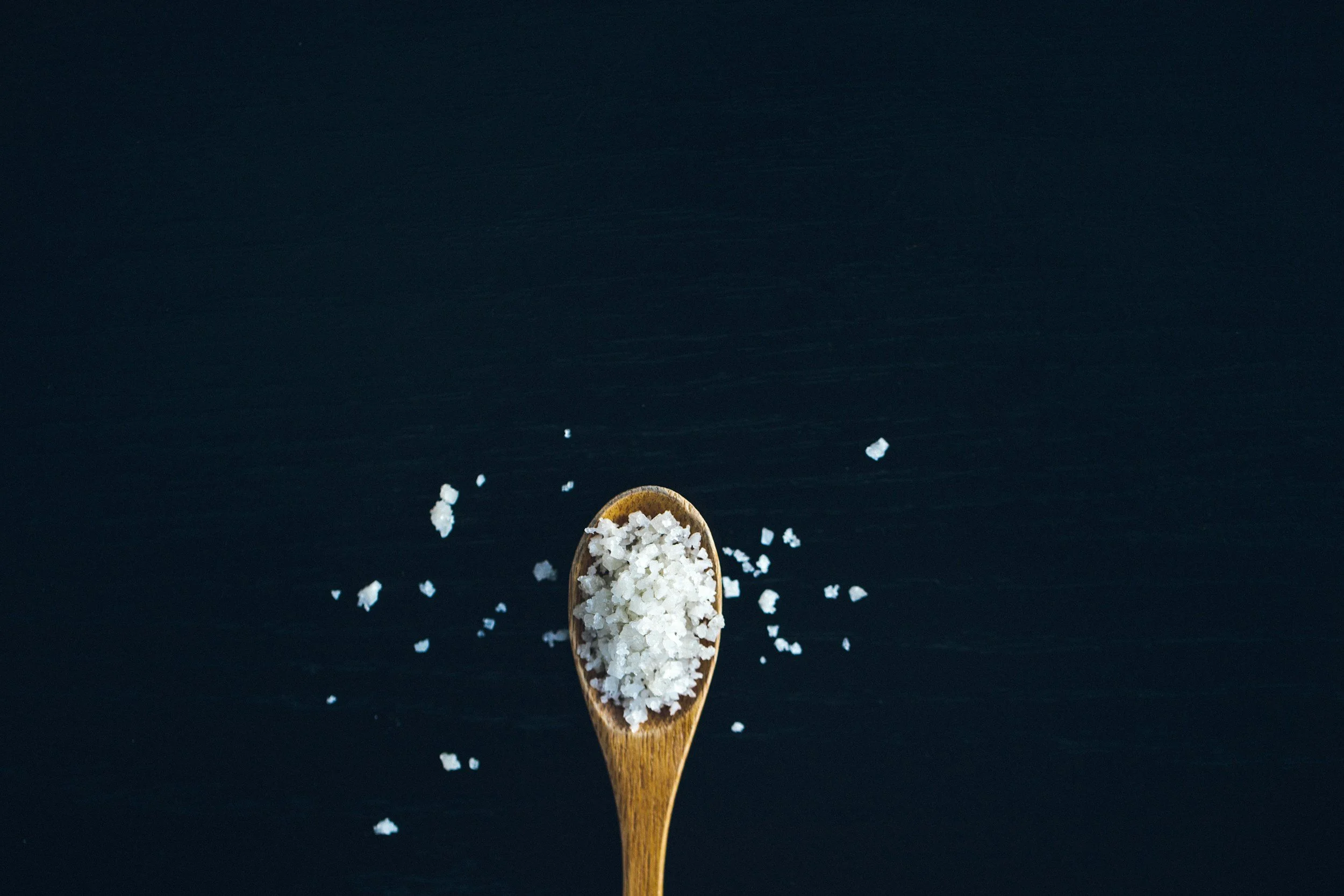
The Science of Salt: Why It’s the Backbone of Every Flavor
Salt doesn’t just season food, it transforms it. Here’s the science of why salt is the true backbone of flavor in every cuisine.

Why I’m Moving to Spain in My Mid-30s to Study Gastronomy
In just a few weeks, I’ll be boarding a one-way flight to Spain with two suitcases, a backpack, and a heart full of anticipation. This isn’t just a move abroad — it’s the beginning of a new chapter rooted in food, culture, and courage. But what does it really mean to start over in your mid-30s? Why Spain? Why now? And what happens when excitement and fear live side by side?

The Complete Moving to Spain Student Visa Checklist
Applying for a Spanish student visa can feel overwhelming — documents, appointments, apostilles, translations, insurance, finances. In this guide, I’ve laid out the checklist I wish I had when I started. Have you ever had to gather paperwork that felt impossible? What’s your biggest fear about applying for a visa?

My Ultimate Packing Checklist for Grad School Abroad (Two Bags, One New Life)
Two checked bags, a carry-on, and a new chapter. Here’s my complete, rain-ready packing checklist for grad school abroad. Wwhat to bring, what to skip, and how to keep it calm and organized.
What’s one thing you packed for a long trip that you never used?
If you had to choose: extra shoes or extra layers?
What’s your non-negotiable comfort item for a new country?

The Story Behind Mel in Motion
When I chose the name Mel in Motion, it wasn’t just about moving abroad. It was about healing, curiosity, and courage. And a promise to myself to keep growing. Here’s what the name means and why it matters.
What does “motion” mean to you in your own life? Have you ever chosen a name (for a project, a journal, or a dream) that captured more than just words?
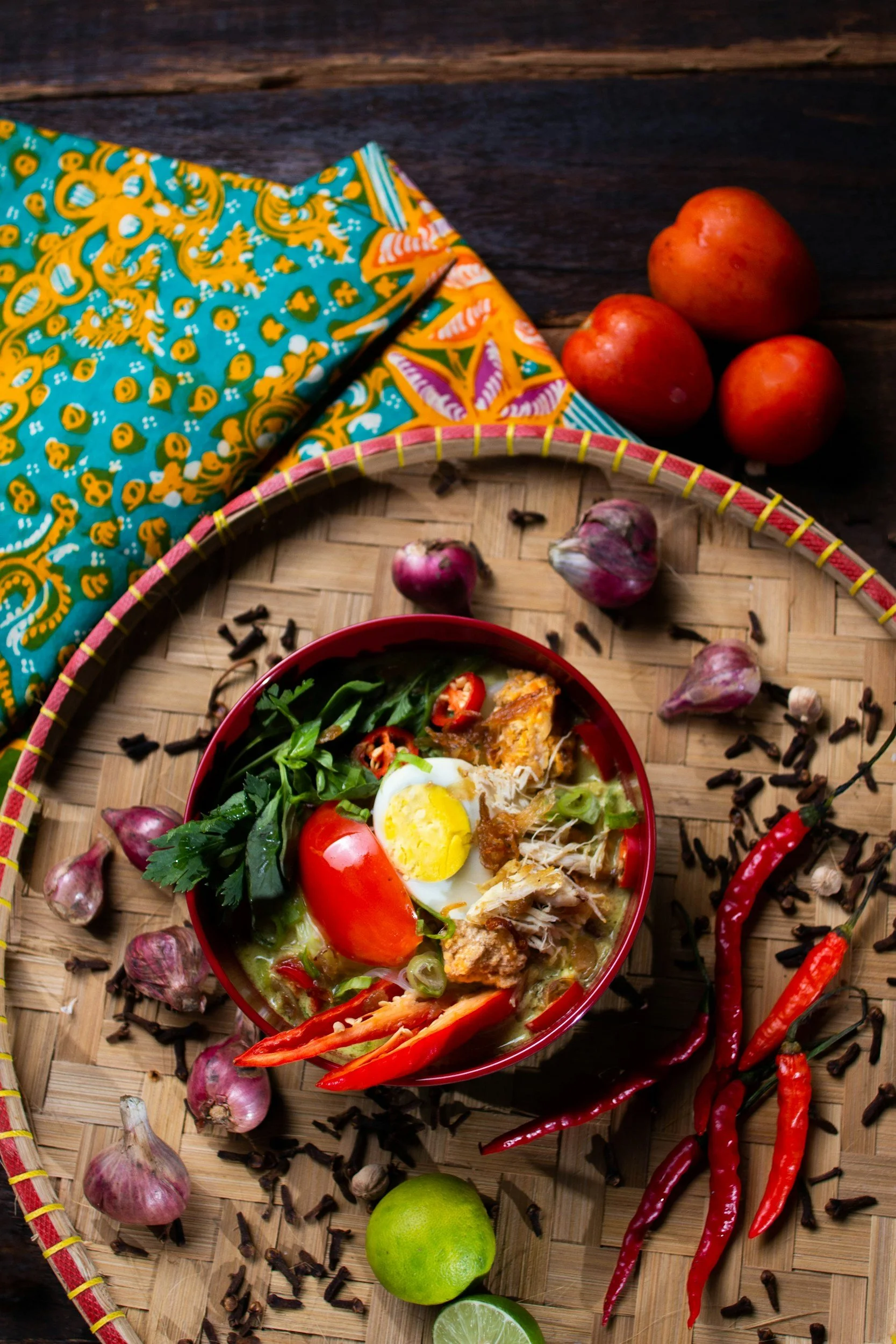
What Is Gastronomy? Food, Culture, and Why It Matters (to Me)
Gastronomy isn’t just cooking. It’s food in context: culture, sustainability, science, justice, and story. Here’s what it is, why it matters, and why I’m making it my life’s work.
gastronomy, what is gastronomy, food culture, food justice, gastronomy meaning, food sustainability, Basque food culture, gastronomy student
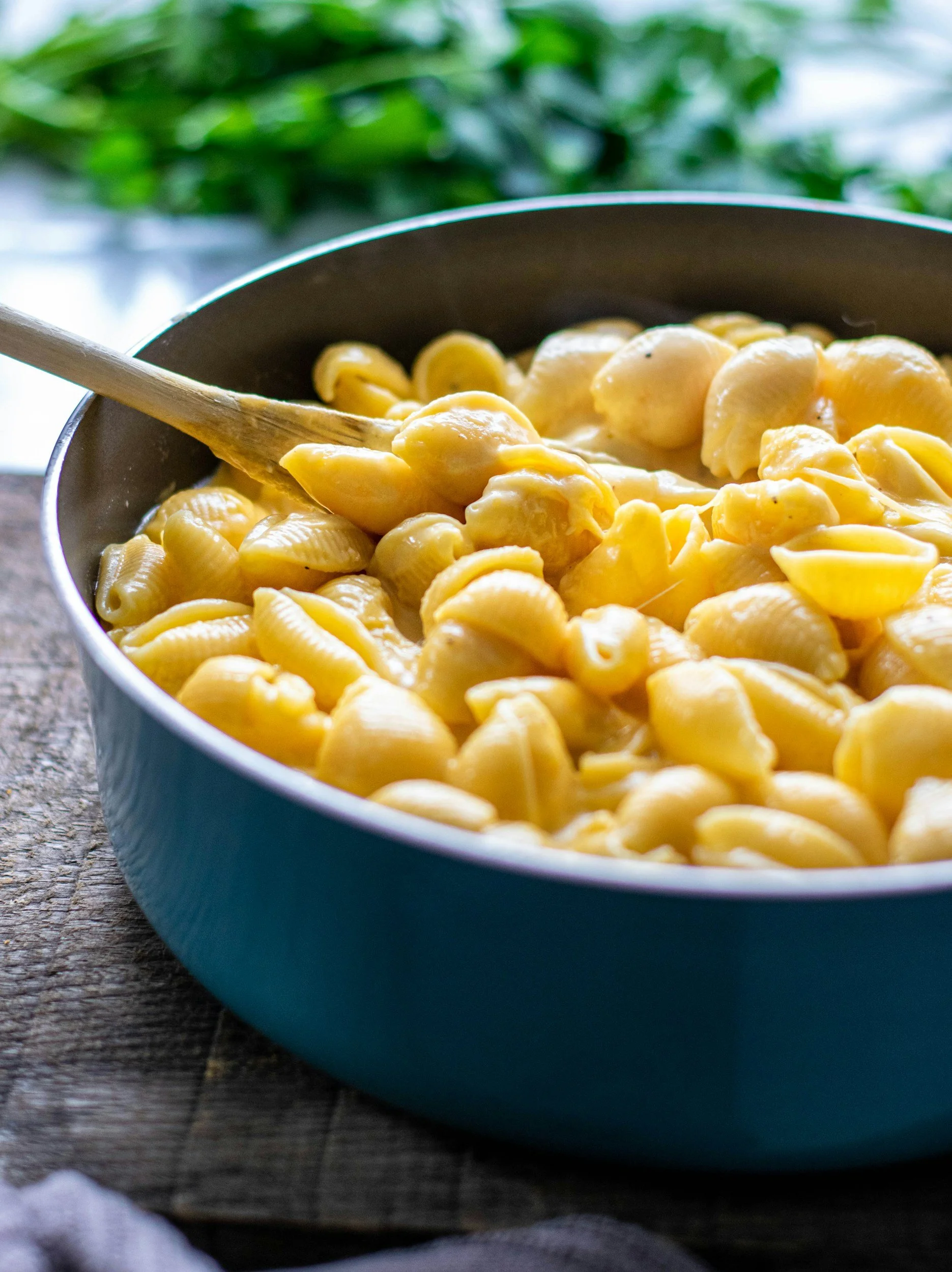
5 Food-Related Things I Wish I Could Pack But Can’t
Food is one of the deepest ways I stay connected to home. As I move abroad, here are the five food-related things I wish I could pack and what they represent.
Which food screams “home” for you? What grocery store item would you miss most if you moved abroad?

How I’m Preparing My Heart + Mind to Move Abroad
Moving abroad isn’t just about visas and checklists. It’s about preparing your whole self. Here’s how I’m tending to my heart and mind as I step into the unknown. What’s one ritual or mindset shift that helps you through big transitions?